
Best Roofing Materials for a Denver Home
Kansas City’s weather has a way of keeping homeowners on edge. A quiet afternoon can quickly turn into pounding hail, heavy downpours, or winds strong enough to shake the trees in your yard. Knowing what to look for is the first step, but having a trusted professional on your side makes all the difference.
The sooner you catch problems, the better. Quick action keeps repairs affordable, stops leaks before they spread, and makes the insurance process less of a headache. While nothing replaces the expertise of a professional inspection, this guide will walk you through the most common signs of storm damage so you know what to look for and when it’s time to bring in the pros.

Common Signs of Roof Damage After a Storm
Even if your roof looks fine from the ground, storms can cause problems you might not notice right away. Here are some of the most common signs of storm damage worth checking:
Missing or Lifted Shingles
Strong winds often pull shingles up at the edges and ridgelines. Even ones that look secure may have loosened, giving water an easy way in.
Granule Loss in Gutters or Downspouts
After a storm, take a look at your gutters. If you see dark shingle granules collecting, it’s a red flag. Granule loss weakens shingles and shortens their lifespan, leaving your roof more vulnerable to leaks.
Dented or Bruised Shingles
Hail can leave visible dents, dark circular spots, or soft bruises you can feel when touched. This kind of roof hail damage breaks down the material’s protective layers, which increases the risk of leaks and other issues.
Damaged Flashing or Sealants
Flashing around chimneys, vents, and skylights is another weak point. Storms can bend or break these protective pieces, making your roof more vulnerable.
Fallen Debris on the Roof
Branches or other debris carried by strong winds can crack shingles or puncture roofing materials. Even if the impact seems minor, it can lead to leaks over time.
Interior Warning Signs of Roof Storm Damage
Not all storm damage is visible from outside. Some of the earliest clues may appear indoors:
- Water Stains on Ceilings or Walls: Yellow or brown spots often mean water is leaking through the roof.
- Damp Attic Insulation: A sure sign that water is making its way inside.
- Musty Odors or Mold Growth: Persistent moisture after a storm creates the perfect environment for mold.
- Sagging Ceilings or Bubbling Paint: These are more advanced indicators and should be addressed immediately.
How Different Storms Affect Roofs
Not all storms damage roofs the same way. Kansas City homeowners deal with a mix of weather events throughout the year, and each one takes a unique toll on shingles, flashing, and gutters.
- Hail Damage: Hail can leave round dents, knock protective granules loose, and shorten the lifespan of your shingles. Even if the marks seem small, they weaken the surface and often lead to leaks down the road.
- Wind Damage: Strong gusts can lift shingles at the edges or ridgelines, leaving your roof exposed to water intrusion. In more severe cases, entire shingles may tear away.
- Heavy Rain: On its own, rain usually doesn’t damage a healthy roof. But after a storm, it can reveal pre-existing weaknesses—like cracked shingles or poor seals—by forcing water into places it doesn’t belong.
- Debris Impact: Storm-driven branches or airborne objects can crack shingles, damage gutters, and even leave punctures in the roofing system.
Why You Shouldn’t Inspect the Roof Yourself
It’s tempting to grab a ladder and take a look yourself, but climbing onto a storm-damaged roof is one of the riskiest things you can do.
Storm-damaged surfaces are often slippery, unstable, or weakened in ways you can’t see from the ground. Beyond safety, untrained eyes may overlook subtle but serious problems, like shingles that look intact but have been lifted just enough to break the waterproof seal.
The good news is you don’t have to take that risk. Most Kansas City roofing contractors, including Premier Roofing, offer free storm damage inspections. Having a professional handle the job ensures nothing gets missed and keeps you out of harm’s way.
What to Do if You Suspect Roof Storm Damage
If you think your roof may have been hit hard in a storm, here are the steps to follow:
- Document From the Ground: Take photos or notes of anything you see, like missing shingles, dents in siding, or debris on the roof. This evidence is helpful when speaking with contractors or filing insurance claims.
- Check Property: Look at your gutters, siding, and even your car. If you notice hail dents or other damage nearby, it’s a strong sign your roof has been caught in the crossfire as well.
- Call a Roofing Company: Schedule a professional inspection right away so you know the true extent of the damage. Acting quickly ensures problems don’t get worse while you wait.
- Don’t Delay Repairs: Even small leaks can spread quickly, leading to mold, wood rot, or structural issues. Timely repairs save you money and stress down the road.
- Use Temporary Fixes: If you notice active leaks inside, place a bucket to catch drips or cover problem areas with a tarp until help arrives. These short-term fixes can minimize damage until professionals can make repairs.
Storm Damage Roof Repair and Replacement in Kansas City
Once storm damage has been confirmed, the next step is deciding whether repairs will be enough or if a full replacement is needed. Minor issues, such as a few missing shingles or a small leak, can usually be fixed with targeted repairs that extend the life of your roof and keep costs down.
However, when storms cause widespread damage or the roof is already nearing the end of its lifespan, replacement is often the smarter choice. Though it requires a larger investment, it ensures your home is protected for years to come.
Many homeowners qualify for insurance coverage after severe weather, and a professional roofing contractor can guide you through the claims process while working with your adjuster to maximize coverage. Working with a local, licensed, and insured roofing team means the job gets done right the first time, and you can feel confident your home is in good hands.
Preventing Future Roof Storm Damage
While you can’t control Kansas City’s weather, you can take proactive steps to make your roof more storm-resistant. One of the best upgrades is installing Class 4 impact-resistant shingles, which are specifically designed to withstand hail and provide longer-lasting protection.
Preventive maintenance also plays a significant role. Clean gutters help water drain properly and reduce the chance of overflow damaging your roof and siding. Annual inspections after severe seasons allow small issues to be caught before they grow into bigger problems.
Homeowners should also consider additional protective measures like underlayment, snow and ice shields, or ventilation improvements, all of which extend roof life and boost overall performance during severe weather. Trimming back overhanging branches is another simple step that reduces the risk of storm debris crashing into your roof.
With stronger materials and regular upkeep, your roof is far better prepared to handle whatever Kansas City’s weather throws at it.
Get Expert Storm Damage Roof Repair in Kansas City
Knowing what to look for is the first step, but having a trusted professional on your side makes all the difference. Local roofing experts understand the unique challenges of Midwest weather and know how to spot problems that aren’t always visible from the ground.
Whether you’re dealing with minor repairs or considering a full replacement, working with a licensed, insured contractor ensures your home is properly protected. Premier Roofing has helped homeowners across the locations we serve recover after storms with professional inspections, repairs, and replacements tailored to your needs.
Storms in Kansas City are a fact of life, but severe roof damage doesn’t have to be. By learning how to spot the warning signs and acting quickly, you can protect your home, avoid costly repairs, and make the insurance process smoother.
Most importantly, you don’t have to handle it alone. Premier Roofing is here to help with inspections, repairs, and replacements that give you confidence in your roof again. If you suspect damage, don’t wait for leaks to get worse. Schedule a storm inspection today and get a quote to protect your home and restore your peace of mind.
FAQs About Roof Damage in Kansas City
What are the most common signs of roof damage after a storm?
Missing shingles, granules in your gutters, dents from hail, and water stains inside your home are among the clearest signs of storm damage.
Should I repair or replace my roof after storm damage?
It depends on the extent of the damage and the age of your roof. Small, localized issues can often be repaired, but widespread or recurring problems may require replacement to ensure lasting protection.
Does insurance cover storm damage roof repair in Kansas City?
Most policies include storm damage, but coverage varies. A reliable roofing contractor can help document the damage and work with your insurance company to maximize your claim.
How soon should I call a roofing company after a storm?
As quickly as possible. Delaying an inspection or repair gives water more time to enter your home, which often leads to more expensive repairs.


Top Roofing Companies in Wichita: 2026 Guide
A lot of homeowners in Wichita end up replacing their roof sooner than expected, not because it was necessary, but because the damage wasn’t properly assessed early on. It happens more often than people think. If you’re searching ...

9 Best Roofing Companies in Kansas City: 2026 Guide
Most people don’t search for the best roofing companies in Kansas City until something goes wrong. A leak shows up after a storm. Shingles end up in the yard
How to Choose a Roofer in St. Louis
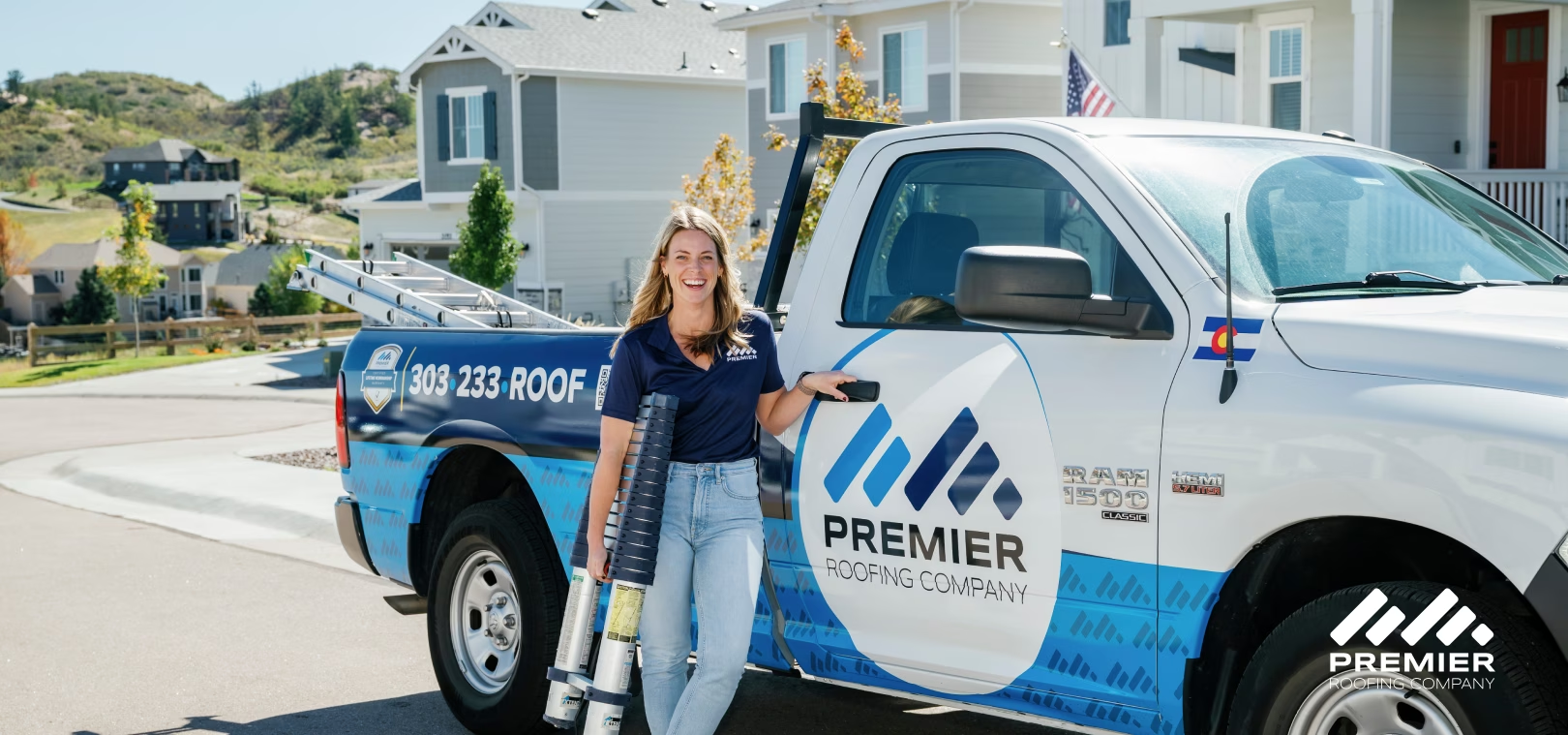
Finding the right roofer isn’t just a box to check off. It’s one of the most important decisions you’ll make as a homeowner in St. Louis. Between Missouri’s unpredictable storms, intense summer heat, and strict local codes, your roofing system needs more than just an ordinary contractor. Your roof needs a proven expert. One poor roofing installation or missed code compliance can result in expensive repairs, water damage, or insurance claims down the road.
How to Tell If Your Roof Has Water Damage
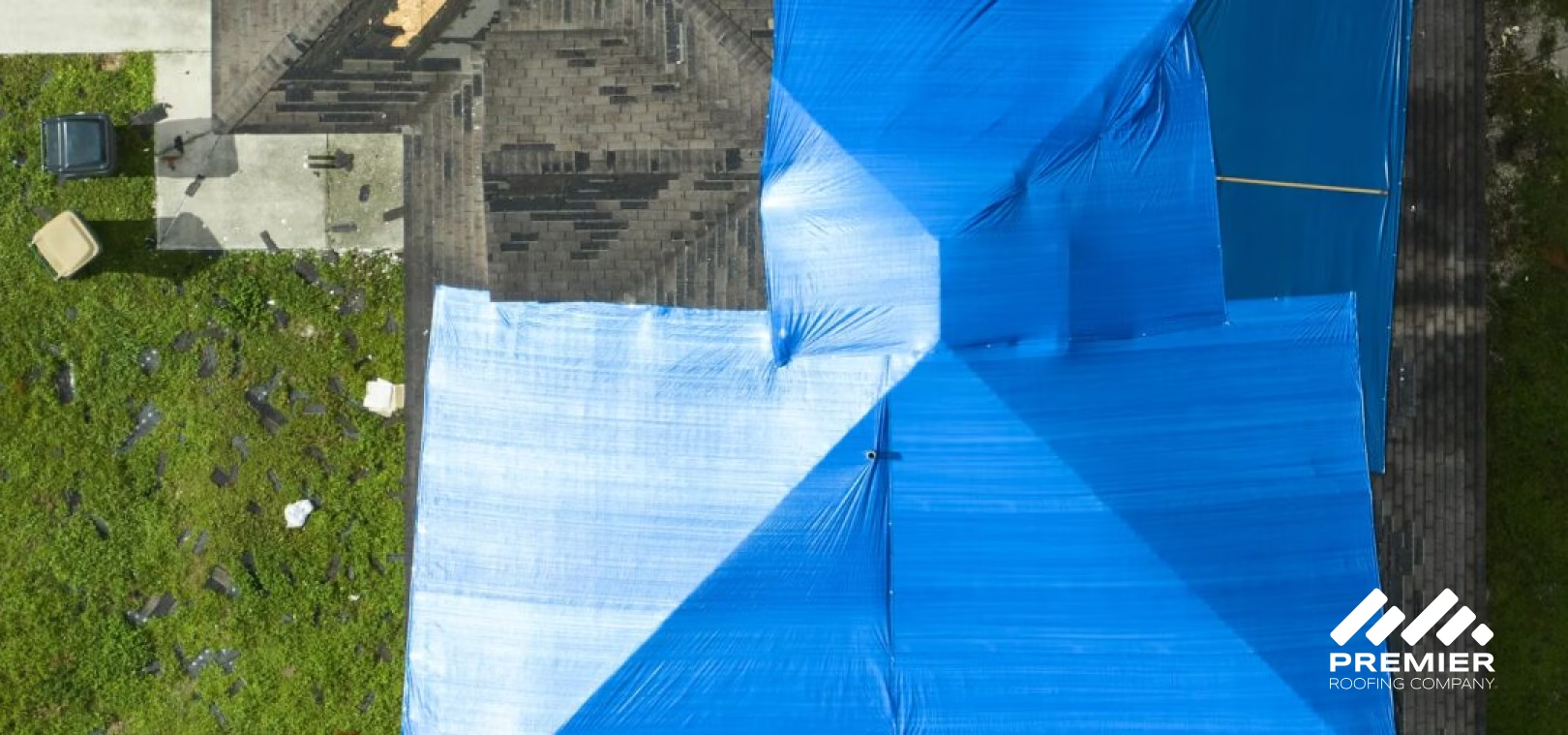
Roof water damage is one of the most common problems homeowners face. What starts as a small roof water leak can quickly spread through shingles, decking, insulation, and even walls. Left unchecked, it leads to expensive repairs and mold growth that puts your health at risk.