

Hail Damage on Roof
Signs & What to Do
Hail damage on the roof often hides. You might not see missing shingles, but the protective surface is compromised. You get the essential knowledge about how hail actually damages your roof and what steps you must take next.
How Hail Actually Damages a Roof
You might not see the issue right away. True roof hail damage weakens shingles by bruising the material, not necessarily tearing it off and eventually exposes the waterproof underlayment. You lose crucial protection, leading to leaks down the road.
Shingle Bruising That Breaks the Protective Layer
Shingle bruising means the impact fractured the protective mat beneath the surface. Your shingle may look intact, but this subsurface weakness allows moisture intrusion over time. You risk future leaks when your roof’s water barrier is compromised.
Granule Loss That Exposes the Shingle
Granules protect your shingles from damaging UV rays and moisture. Hail can knock them loose, leaving the asphalt exposed. You often see these protective bits collecting in your gutters or downspouts. Exposed asphalt means your roof ages much faster.
Cracks and Fractures That Worsen Over Time
Hail impacts create small fractures that expand with changing temperatures. Water seeps into these cracks, causing delayed leaks inside your home. You must identify roof damage from hail quickly before minor issues become major water damage.
Combined Damage From Storms
Hail rarely falls alone. Wind and pressure lift shingles weakened by impact, letting water reach vulnerable areas. Combined with broader storm damage, the risk multiplies. You get a thorough assessment that identifies all combined storm damage, visible or hidden.
What Does Hail Damage Look Like on a Roof?
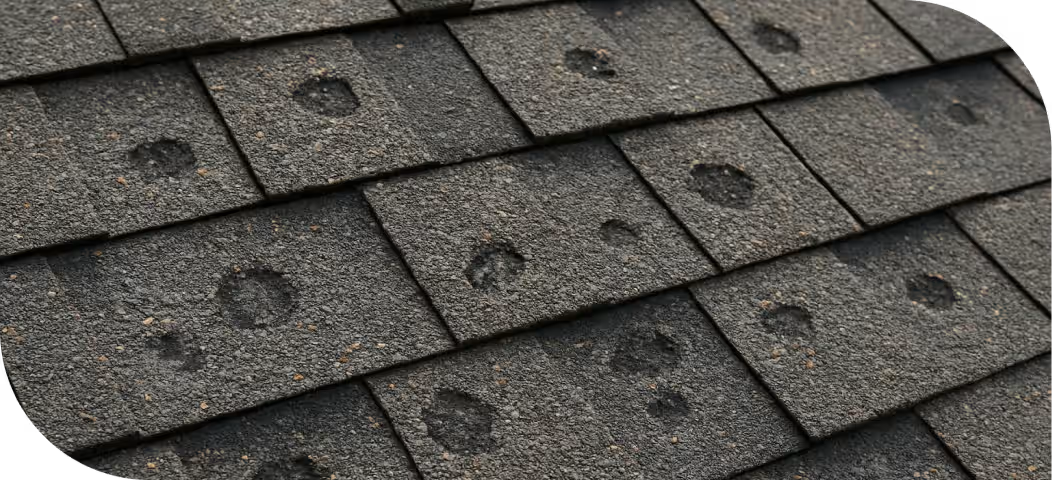
Many homeowners wonder, what does hail damage look like on a roof? Signs of hail damage on your roof are often subtle and delay making themselves known, which is why a thorough inspection gives you peace of mind.
You might see:
- Small, dark impact marks
- Soft, spongy spots on your shingles where the protective granules are gone
- Granules washing out of your downspouts
- Physical dents on metal components like vents, flashing, and gutters.
Because damage can worsen over time, potentially leading to leaks months later, getting clarity now protects your home’s structure and investment.
What to Do When You Suspect Hail Damage
When the storm clears, you must act fast. Hail damage is easiest to confirm immediately. Walk your property safely, looking for dents on metal surfaces. Check gutters and the ground for loose shingle granules, a critical sign of hail damage to roof shingles. Note the exact date and size of the storm. You get the best results by scheduling your professional inspection while all damage signs are fresh and easily verifiable for your insurance claim.
How Premier Roofing Can Help with Roof Hail Damage
You get a full, honest assessment of your roof hail damage, identifying hidden issues like bruising or fractured shingles. This clear documentation gives you confidence when dealing with your insurance company. Our team coordinates the necessary photos and reports, ensuring you have the protection and peace of mind you deserve throughout the claim process.
Hail risk runs highest along the Front Range and into North Texas, from Colorado Springs to Denver to Dallas.
Step 1 – Roof Inspection
You start with a professional roof inspection, looking far beyond what the eye can see from the ground. Our team checks key areas like shingle surfaces, metal flashing, and ventilation components. You get detailed documentation of potential hail damage or weak spots that often lead to future leaks. This comprehensive review gives you the clarity and confidence required for your next steps.
Step 2 – Roof Repair
If the hail damage roof issue is isolated and contained, you don’t need a full replacement. When damage is limited to small sections or minor granule loss, targeted roof repair saves you time and money. You get a quick, effective fix.
Step 3 – Roof Installation & Replacement
When damage is too extensive or widespread, trying to patch minor problems means small repairs only offer temporary fixes. You deserve certainty that your home is fully protected from future storms. If your roof’s ability to shed water is compromised, replacement is the solution that restores lasting security. You gain long-term value and guarantee peace of mind for decades.
Step 4 – Insurance Claim Support
When you have roof damage from hail, you get the dedicated support you deserve. We provide full documentation of all findings to back your claim. You navigate the complex insurance process with complete clarity because we explain every step. You gain the confidence and peace of mind needed for a stress-free outcome.
Our Physical Locations
Ready for a Roof Inspection?
Don’t wait until small roof issues become big problems. Schedule your free, no-obligation roof inspection with Premier Roofing today.
Hail damage is easiest to claim while it’s fresh. Find the Premier branch nearest you and lock in your free inspection today.



 COMPANY
 CUSTOMERS
 RESOURCES