

Wind Damage on Roof
Signs & What to Do
Wind damage on a roof often looks minor at first. A roof does not need to be torn apart for real problems to begin. Once shingles lose their seal, every future gust and rainstorm can worsen the damage. Small shifts allow moisture to enter and weaken protective layers over time. Understanding how wind actually damages a roof helps you take the right next step without delaying important repairs.
How Wind Damages a Roof
Strong gusts can lift shingle edges, break adhesive seals, and expose areas designed to stay protected. The wind damaged roof may still look intact from the street, but its defensive layer has already been compromised. Once the seals fail, shingles can shift, and underlayment becomes compromised to moisture intrusion and long term wear.
Lifted Shingles Lose Their Seal
Wind pushes underneath shingle edges and breaks the adhesive bond that keeps them sealed flat. Even if shingles settle back into place, the seal is often permanently damaged. This allows water to slip beneath the shingle during rainfall and begin migrating through the roofing system. Over time, repeated exposure to wind storms increases the risk of leaks and interior damage.
Progressive Damage From Repeated Gusts
Once a shingle lifts once, it becomes easier for future gusts to lift it again. Each wind event weakens surrounding materials and expands the affected area. What begins as a small section can gradually spread across roof slopes. Wind damage compounds over time especially during seasonal storm cycles. Learn more about storm damage.
Rain Will Follow the Lift
Wind driven rain is pushed sideways and upward across roof surfaces. Moisture can enter through loosened shingles, exposed nail lines, and damaged seal strips. Once inside, water follows gravity and framing paths before appearing indoors. This pattern often leads to delayed roof wind damage that becomes visible only after multiple storms. Learn more about water damage and its effects.
Combined Wind and Storm Pressure
Storm systems combine wind pressure, heavy rainfall, and shifting air currents across the roof surface. Water may enter through multiple weakened areas at once while drainage systems struggle to keep up. Moisture can pool near flashing and edges, accelerating material breakdown and increasing the likelihood of hidden saturation.
Signs You May Have Wind Damage
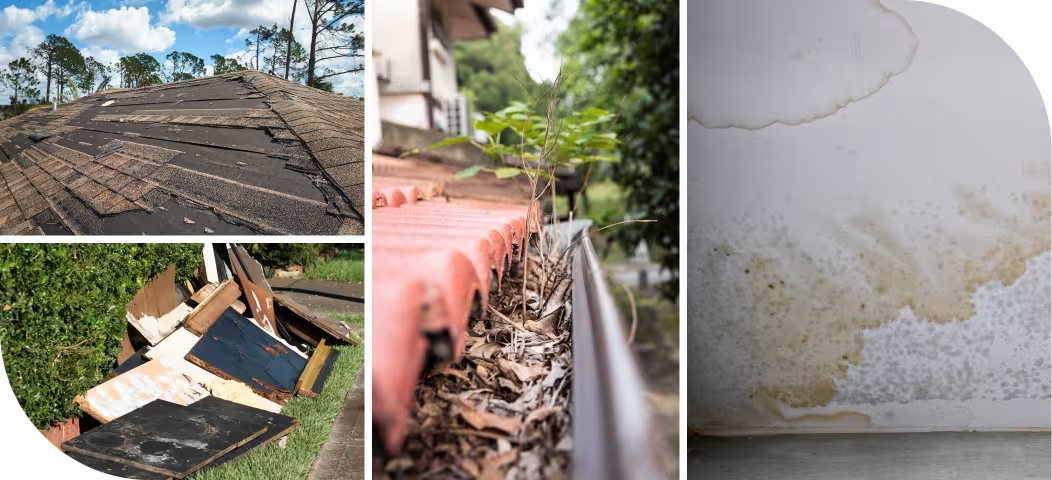
Signs of wind damage often hide in plain sight. Shingles may appear uneven or slightly raised, even if they have not fully detached. Missing shingles or ridge caps may show up after strong gusts. Roofing debris in the yard or gutters can indicate lifted materials. Leaks that appear after windy rainstorms often point to broken seals. Drafts or unexpected moisture in the attic may also signal air movement through loosened roof layers.
What to Do When You Suspect Wind Damage
After strong winds, perform a quick visual check from the ground. Walk the property and look for loose shingles, displaced flashing, or fallen debris. Check the yard and gutters for roofing materials. Avoid climbing onto the roof yourself, as damaged areas may be unstable. Take photos of anything that appears shifted or missing. Schedule an inspection before the next storm system so developing damage does not worsen.
How Premier Roofing Can Help with Wind Damage on Roof
Premier Roofing performs full roof inspections rather than surface level spot checks. We trace how wind affects shingle adhesion, edge integrity, and vulnerable transition points. Roof damage from wind is documented clearly and explained in practical terms so homeowners understand real risk levels. When insurance applies, we assist with accurate documentation and claim guidance without creating unrealistic expectations.
High winds hit hardest across the Plains and the Front Range, from Wichita to Omaha to Fort Collins.
Step 1 – Roof Inspection
A wind damage inspection looks beyond obvious missing shingles. We evaluate shingle adhesion, roof edges, ridges, hips, flashing integrity, and attic conditions where uplift may be visible. Areas vulnerable to future wind lift are identified and documented clearly. This helps homeowners understand both current damage and emerging risks.
Step 2 – Roof Repair
Repairs are recommended only when wind damage is limited and contained. Common situations include a small number of lifted or missing shingles, localized ridge cap damage, or minor seal failures. The goal is to restore proper sealing and prevent additional uplift or moisture entry before broader damage develops.
Step 3 – Roof Installation & Replacement
Replacement is recommended when wind damage affects the roof’s ability to protect the home reliably. If repairs would only delay larger structural or moisture issues, wind damage roof restoration allows for full system performance and long term stability. Replacement eliminates compromised materials and resets protective layers across the roof.
Step 4 – Insurance Claim Support
Premier Roofing supports the claim process by documenting findings thoroughly, explaining conditions clearly, and helping homeowners understand how insurance typically evaluates wind damage. Our role focuses on accuracy and transparency so coverage decisions are based on verified roof conditions rather than assumptions.
Our Physical Locations
Ready for a Roof Inspection?
Don’t wait until small roof issues become big problems. Schedule your free, no-obligation roof inspection with Premier Roofing today.
Once the seal breaks, every gust makes it worse. Enter your zip to find your nearest Premier branch and book before the next storm.



 COMPANY
 CUSTOMERS
 RESOURCES