

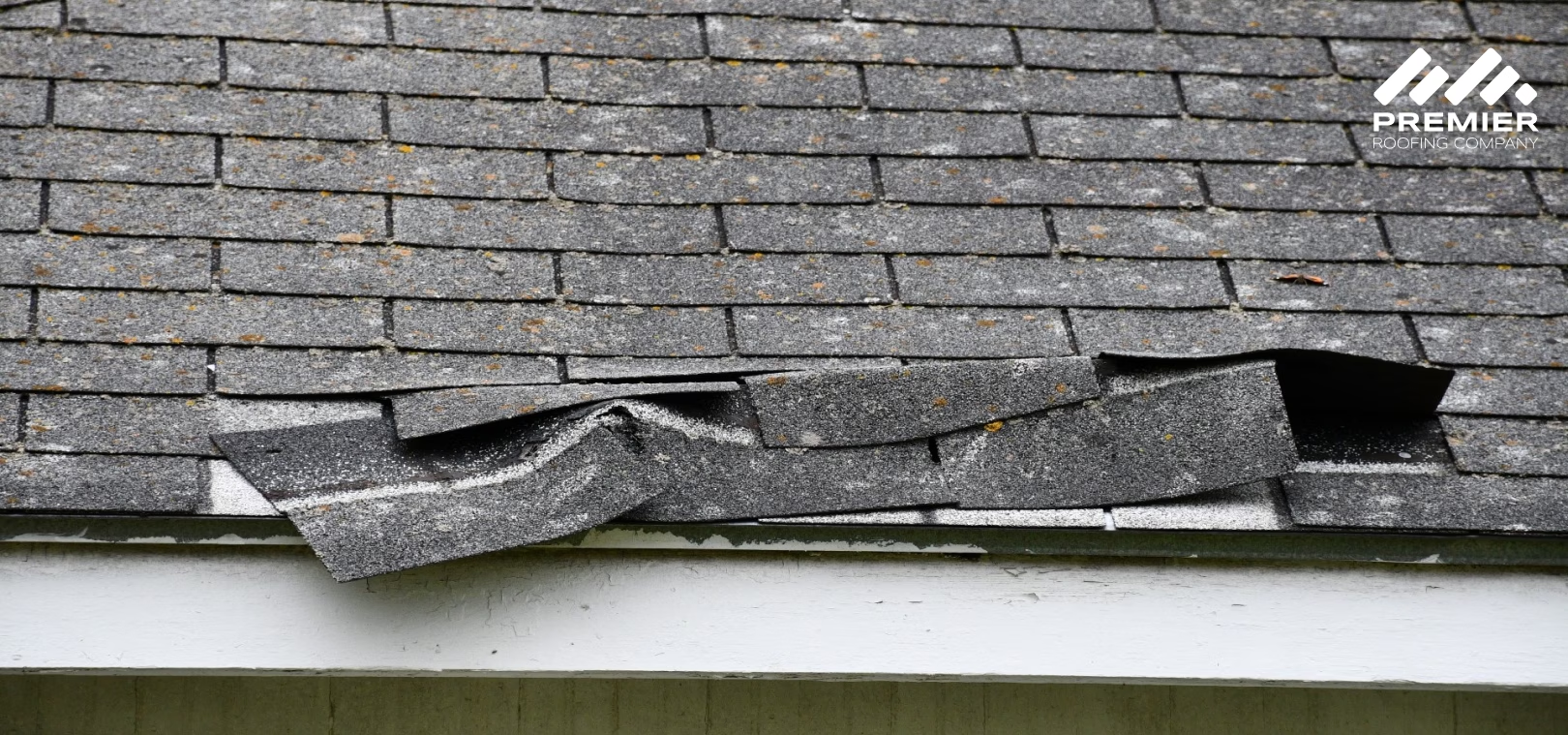
Roof deterioration rarely happens all at once. Instead, it develops gradually as roofing materials experience years of environmental stress. Sun exposure slowly dries asphalt shingles and reduces their flexibility. Strong gusts weakens the adhesive seals that hold shingles together. Small cracks allow water to penetrate beneath the surface, where repeated freeze thaw cycles expand those cracks and accelerate deterioration.
These combined stressors create the signs your roof needs replacing. Rather than appearing as a single dramatic failure, roof aging usually appears as a pattern of smaller warning signals, such as surface wear, recurring leaks, or structural changes. If your roof is showing multiple warning signs such as leaks, shingle damage, or sagging areas, the safest next step is a professional inspection.
TL;DR: When Does a Roof Need to Be Replaced?
A roof typically needs replacement when deterioration affects multiple sections of the roofing system rather than a small, isolated area. While individual shingle damage or a minor leak can often be repaired, widespread aging patterns usually indicate that the roof’s protective layers are reaching the end of their service life.
Common signs that you need a new roof include widespread granule loss, repeated leaks appearing in different locations, sagging areas of the roof deck, or storm damage affecting multiple slopes of the roof. Age is also an important factor. Many asphalt shingle roofs begin approaching the end of their lifespan between 20 and 25 years.
In these cases, continuing to patch individual problems may only provide temporary relief. When structural layers or moisture-control systems begin failing across the roof, replacement often becomes the more stable and cost-effective long-term solution.
Table of Contents
Common Signs Your Roof May Be Nearing Replacement
Roof damage rarely appears as a dramatic failure. In most cases, subtle surface changes develop long before major structural issues become visible. These early indicators can include granule loss, curling shingles, small leaks, or uneven roof lines.
When identifying signs your roof needs replacing, it is important to look at how these symptoms are distributed across the roof. A single damaged shingle or isolated leak does not necessarily indicate full system failure. However, when the same issues appear repeatedly across multiple slopes, it often signals broader aging within the roofing system.
Patterns of deterioration are one of the most reliable ways to determine how to know if you need a new roof. When wear appears across several sections of the roof rather than a single location, it suggests that the underlying materials have reached the end of their effective lifespan.
1. You Have an Aging Roof
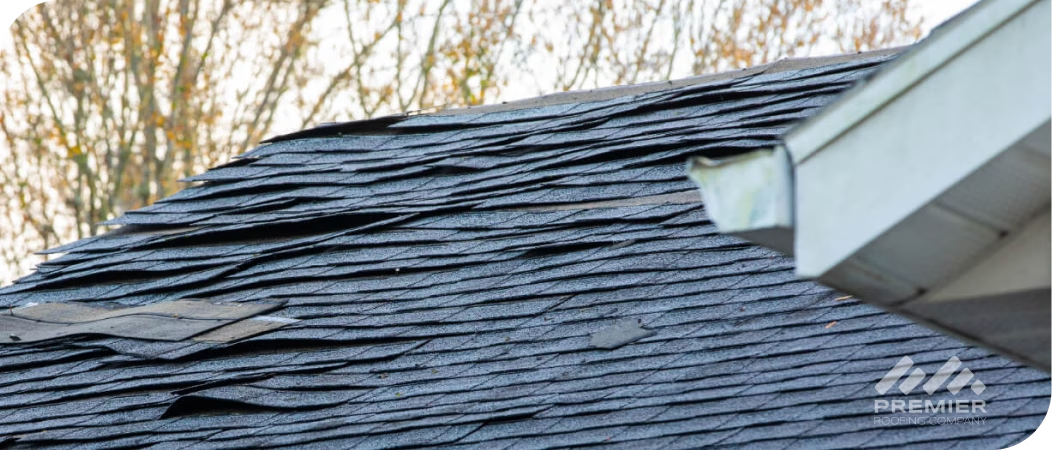
One of the main warning signs you need a new roof is its age. Asphalt shingle roofs typically last between 20 and 25 years. If your roof is approaching or has exceeded this range, it’s time to start exploring your roof replacement options.
As roofs age, they become increasingly vulnerable to serious damage. Putting off replacement can not only pose safety risks but also lead to higher expenses down the road.
2. Shingle Damage Across Multiple Slopes
Surface damage appearing across multiple roof sections is one of the most common signs your roof needs replacing. While a few damaged shingles may be repairable, widespread deterioration often indicates deeper system fatigue.
Curling shingle edges can suggest moisture imbalance or aging materials. Cracking typically signals brittleness caused by long-term ultraviolet exposure. Missing shingle tabs across multiple slopes often indicate that wind has weakened the adhesive seals holding the shingles in place.
Granule loss is another important warning sign. When protective granules wear away in concentrated areas, the underlying asphalt layer becomes exposed to accelerated weathering.
Storm damage may also appear in patterns. Hail bruising can weaken the internal structure of shingles even when granules remain visible on the surface.
When these issues appear across several slopes rather than a single location, they often indicate that the roof system is reaching the point where roof replacement may be more effective than ongoing repairs.
3. Recurring Roof Leaks
An isolated leak near flashing or a chimney can often be repaired without replacing the entire roof. However, leaks that appear repeatedly in different locations are often signs that you need a new roof. Recurring leaks usually indicate a breakdown in the roof’s water-shedding system. Over time, moisture can penetrate beneath shingles and compromise the underlayment that protects the roof deck.
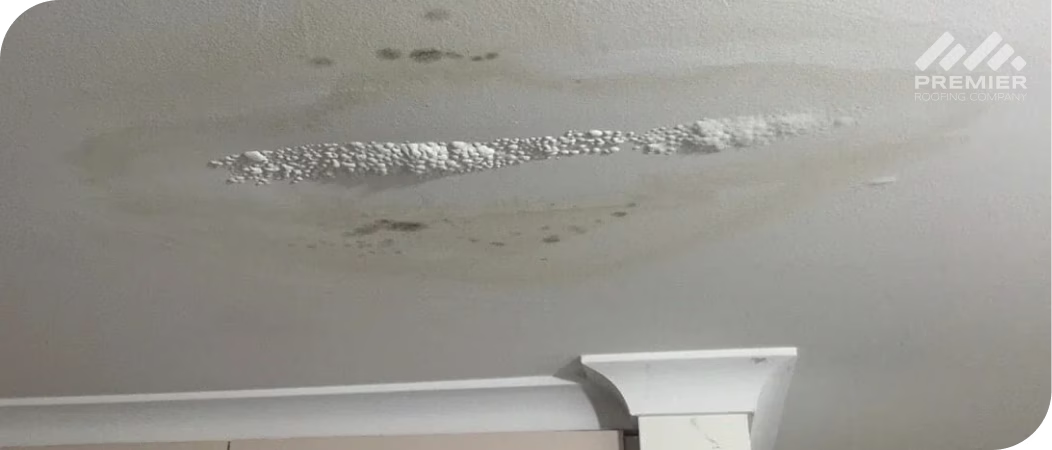
Homeowners may notice water stains on attic decking, damp insulation, or discoloration on ceilings and walls. Soft spots in the roof deck can also signal prolonged water exposure. When leaks appear in multiple areas, patching individual spots may only provide temporary relief. Instead, the pattern of moisture intrusion often indicates broader system failure.
Understanding these patterns can help homeowners determine how to know if you need a new roof rather than continuing to repair isolated leaks.
4. Storm Damage Patterns
Storm damage can significantly shorten the lifespan of a roofing system, particularly when hail or wind impacts large areas of the roof. Hailstones can bruise shingles and weaken the internal fiberglass mat beneath the surface. While this damage may not always be immediately visible, repeated impacts across several slopes can compromise the integrity of the roofing system.
Strong winds may also lift shingles and weaken the adhesive seals that keep them secured to the roof deck. When these effects occur across multiple sections of the roof, repairs may no longer be sufficient. After severe weather, homeowners should look for signs of possible roof damage, such as missing shingles, dents, or impact marks.
Proper inspection and documentation are critical when evaluating storm damage. Homeowners can learn more about navigating storm damage claims here.
5. Code or Compliance Concerns
Older roofing systems may no longer meet current building codes or installation standards. Over time, construction guidelines evolve to improve ventilation, structural stability, and moisture protection.
For example, some older roofs may lack modern ventilation systems designed to regulate attic temperature and moisture levels. Others may have multiple layers of shingles installed over time, which can exceed structural weight limits in many building codes.
Outdated underlayment materials may also fail to meet modern moisture-control standards. These deficiencies may not always be visible from the surface but can affect the long-term performance of the roofing system.
In these situations, code or compliance issues can become signs you need a new roof, particularly if the home is being sold, refinanced, or inspected for insurance purposes.
6. Rising Energy Costs
Unexpected increases in energy costs can sometimes signal roofing system inefficiencies. When attic ventilation becomes restricted or insulation becomes compromised, heat can build up beneath the roof.
This trapped heat increases the workload on air conditioning systems during warm months. Over time, degraded roofing materials may also lose some of their reflective properties, causing the roof surface to absorb more solar heat. While rising energy costs alone do not necessarily indicate the need for roof replacement, they can contribute to the overall picture of roof aging.
When combined with surface wear, shingle damage, or ventilation issues, higher cooling costs may help answer the question of how do I know if my roof needs replacing.
7. Sagging or Structural Changes
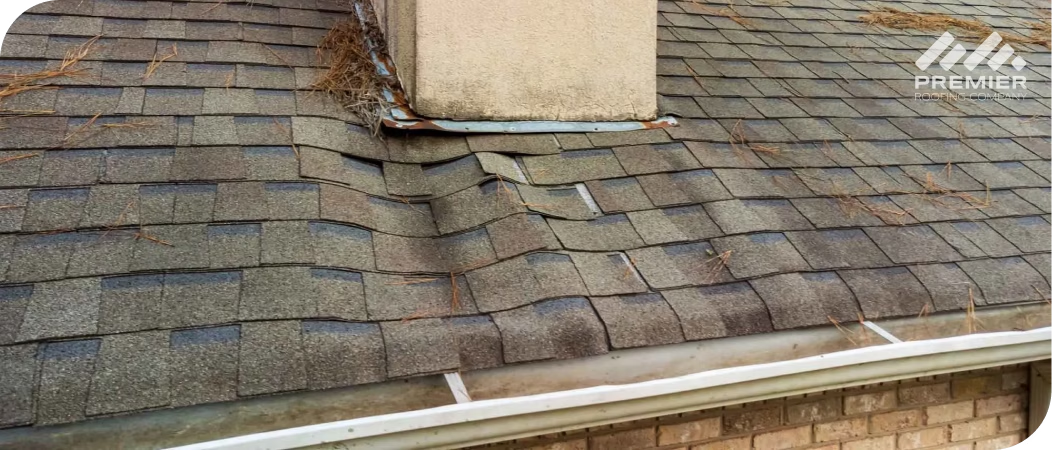
Among all signs you need a new roof, structural sagging is one of the most serious.
Visible dips along roof ridges or valleys often indicate weakening roof decking beneath the shingles. Water-saturated sheathing can lose its structural strength over time, particularly if moisture has been present for an extended period.
Homeowners may also notice soft spots when walking on the roof or uneven lines along the roof surface. These structural changes differ from cosmetic shingle wear and often indicate deeper problems within the roof system.
When structural movement becomes visible, immediate professional inspection is recommended. Sagging sections of the roof may signal that the underlying support structure has been compromised.
In these situations, roof replacement is often necessary to restore structural stability and prevent further damage.
When to Replace Roof vs When to Repair
One of the most common questions homeowners ask is whether their roof can be repaired or if it needs full replacement. Understanding when to replace a roof versus when a repair will work depends on the scope and distribution of the damage.
Repairs are typically effective when problems are isolated to a single area of the roof. For example, a few missing shingles after a wind event or a small leak around flashing may only require localized repairs. In these cases, the surrounding roofing materials remain structurally sound and the overall system continues functioning properly.
However, roof replacement becomes the better solution when deterioration appears across multiple sections of the roof. Widespread shingle damage, repeated leaks, or granule loss across several slopes often indicate that the roofing system has reached the end of its service life.
Another important factor is the age of the roof. When an older roof begins showing multiple signs of wear, repairing individual issues may only provide short-term relief. Replacing the entire roof restores the system’s full protective capability and resets the roof’s lifecycle.
Understanding when to replace roof systems rather than repeatedly repairing them helps homeowners make long-term decisions that protect their home and prevent ongoing maintenance costs.
The Importance of Timely Roof Repair & Replacement
A roof functions as a continuous barrier that protects the home from water intrusion, temperature extremes, and structural damage. When small issues develop within that barrier, delaying action can allow moisture to spread beyond the initial problem area.
Even minor breaches in roofing materials can allow water to travel beneath shingles and into the underlayment or roof deck. Once moisture becomes trapped in these layers, it can lead to insulation damage, mold growth, and structural deterioration.
This is why recognizing early signs that you need a new roof is so important. Addressing issues early, whether through repair or replacement, helps prevent more serious damage to the structure of the home.
Timely action also protects indoor air quality and reduces the risk of costly interior repairs caused by water infiltration. Homeowners who understand how to know if you need a new roof are better positioned to respond before small problems escalate into larger structural concerns.
For a deeper breakdown of how to evaluate roof repair vs roof replacement, explore this guide.
Not Sure Where Your Roof Stands? Schedule a Professional Roof Evaluation
If you have noticed some of these warning indicators but are unsure what they mean, the next step is gaining clarity through a professional roof evaluation.
A thorough inspection helps determine how to tell if you need a new roof versus a localized repair. Experienced roofing professionals examine multiple aspects of the system, including shingle condition, flashing integrity, ventilation performance, and the structural health of the roof deck.
This evaluation helps identify whether deterioration is confined to one section or affecting the entire roofing system. By understanding the scope of the damage, homeowners can make informed decisions about repair, maintenance, or roof replacement.
Professional inspections are particularly valuable after severe weather events or when a roof approaches the later stages of its lifespan. Early evaluation often prevents unexpected problems and allows homeowners to plan replacement projects before major damage occurs.
If you want to make the best decision for your property, contact us today. Our team evaluates the entire roofing system, not just the visible surface, to ensure your next roofing solution delivers reliable protection and long-term performance.

Frequently Asked Questions

BLOG
Premier Roofing & The Press

13 Best Roofing Companies in Charlotte, NC in 2026 | Premier-Roofing.com
A lot of homeowners in Wichita end up replacing their roof sooner than expected, not because it was necessary, but because the damage wasn’t properly assessed early on. It happens more often than people think. If you’re searching ...

15 Best Roofing Companies in Raleigh, NC in 2026 | Premier-Roofing.com
A lot of homeowners in Wichita end up replacing their roof sooner than expected, not because it was necessary, but because the damage wasn’t properly assessed early on. It happens more often than people think. If you’re searching ...

15 Best Roofing Companies in Dallas, TX in 2026 | Premier-Roofing.com
A lot of homeowners in Wichita end up replacing their roof sooner than expected, not because it was necessary, but because the damage wasn’t properly assessed early on. It happens more often than people think. If you’re searching ...



 COMPANY
 CUSTOMERS
 RESOURCES