


Yes, home insurance can cover roof replacement. But whether your insurance roof replacement claim is approved depends on what caused the damage, not simply the fact that your roof needs to be replaced. Many homeowners assume insurance replaces old roofs automatically, when in reality, policies are designed to cover unexpected events, not routine upkeep.
To understand coverage, you need one key concept: a covered peril. A covered peril is a sudden and accidental event, like hail, wind, fire, or a falling tree, that causes direct physical damage to the roof. That is very different from wear and tear, aging, or gradual deterioration, which insurance typically does not cover.
If your roof may have been damaged during a recent storm, the first step is documenting the condition before filing a claim. Schedule a professional roof inspection to determine whether storm damage may qualify for an insurance claim.
Insurance for Roof Replacement: When It’s Covered and When It’s Not
In most cases, insurance pays for roof replacement when the damage can be tied to a specific, documented event that physically changed the roof system. Think of wind removing shingles, hail fracturing the shingle mat, fire damaging decking, or a tree puncturing the roof. These are sudden losses with measurable impact which is exactly what homeowners insurance is built to cover.
On the other hand, insurance typically does not pay when the roof simply reaches the end of its service life or deteriorates gradually. If the roof is worn out from age, flashing corrodes slowly, moss and rot build over time, or a small leak is ignored for months, the insurer will usually classify it as maintenance-related rather than a covered loss.
Insurance typically pays when:
- A storm removes shingles
- Hail fractures the shingle mat
- Wind breaks thermal seals
- Fire or falling trees cause structural penetration
Insurance typically does not pay when:
- The roof is 22 years old and worn out
- Flashing has slowly corroded
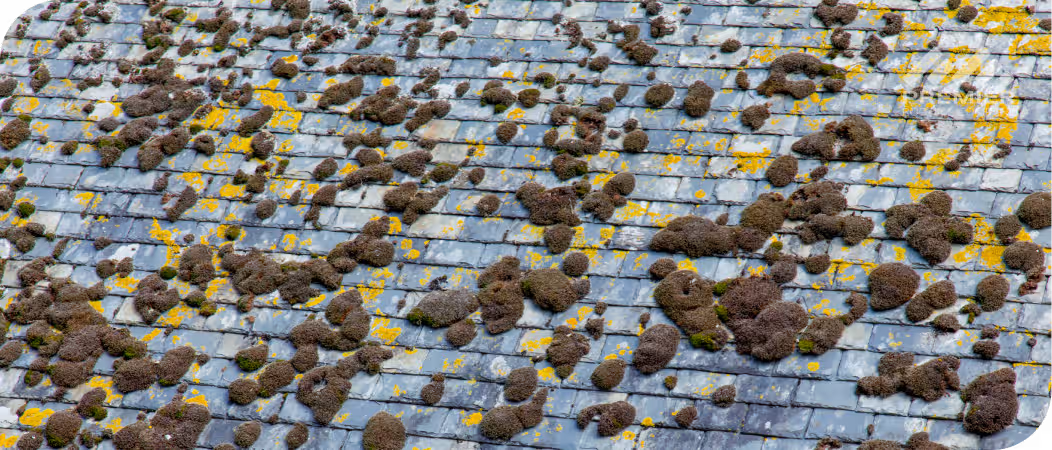
- Moss and rot developed over time
- Leaks were ignored for months
Whether your claim is approved and how much you receive depends heavily on your policy type and how the damage is documented.
Table of Contents
- When Insurance Covers Roof Replacement
- When Insurance Won’t Cover a Roof Replacement
- How Roof Insurance Works
- How Roof Coverage Is Structured in Your Home Insurance Policy
- What If the Insurance Estimate Is Lower Than the Contractor’s
- Protecting Your Roof and Maintaining Insurance Coverage
- Premier Can Help You Navigate Your Claim
- Frequently Asked Questions
When Insurance Covers Roof Replacement
Insurance roof replacement coverage is usually triggered by damage that is sudden, accidental, and provable. Picture a severe thunderstorm moving through Colorado Springs: the next day you notice displaced shingles, debris impact marks, and then water staining on a ceiling or around a vent pipe. When a specific weather event can be tied to direct physical damage, that typically meets the standard for coverage.
From there, approval often comes down to two factors: documentation and timing. The sooner the roof is inspected after the event, the easier it is to connect the damage to that storm. Clear photos, a consistent timeline, and an inspection that identifies functional impairment (not just cosmetic wear) all help support a valid claim. Below clarifies specific categories of covered damage, specifically when documentation and timing are critical.
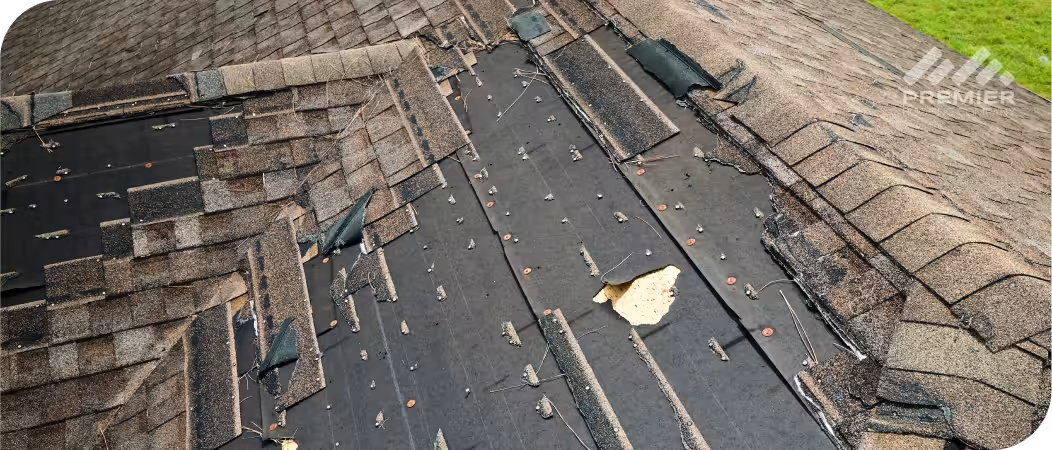
Storm and Wind Damage
Wind damage is often more technical than homeowners expect. During strong gusts, wind uplift can break the thermal seal that bonds asphalt shingles together. Even if shingles don’t fully blow off, broken seals can allow wind-driven rain to penetrate beneath the shingle layer, compromising the roof’s waterproofing integrity. This is one reason storm damage isn’t always obvious from the ground because your roof can look “fine” while the system has been weakened.
If you suspect storm impact, it helps to understand how insurers evaluate these claims and what documentation matters. Premier Roofing's hail damage resource guide allows for an understanding of insurance roof replacement and that storm damage is more technical than it seems. Learn more about How to Make Roofing Insurance Claims for Storm Damage.
Hail Damage (Impact)
Hail damage is not just about cosmetic damage such as dents or surface marks rather whether the roof’s protective system was functionally compromised. Hailstones can create impact fractures that bruise or crack the fiberglass mat beneath the granules. Over time, those fractures can expand under UV exposure, temperature cycling, and additional storms, increasing the likelihood of leaks and premature failure.
Insurers typically look for physical evidence such as displaced granules, consistent circular impact patterns, soft spots, and signs that the shingle’s structure, not just the surface, was damaged. If you want a deeper explanation of what insurers look for, see Premier Roofing's Hail Damage Insurance Guide.
Wind Damage
Wind events can cause immediate, insurable roof damage, especially when shingles lift, creased tabs appear, or sections detach and expose underlayment. Most policies will cover wind-related damage when it’s reported promptly and supported by inspection documentation. Quick action matters because delays give insurers room to argue that the damage worsened over time due to neglect. If you notice lifted shingles, missing pieces, or new interior staining after high winds, schedule an inspection quickly to protect both your roof and your claim.
Fire and Falling Objects
Catastrophic events such as like lightning strikes, fire exposure, or a fallen tree puncturing decking often result in clearer approvals because structural components are visibly compromised. When decking, trusses, or roof penetrations are damaged, the risk of water intrusion increases dramatically. In those cases, insurers are more likely to approve a full replacement because repairing isolated sections may not restore the roof system to safe, watertight condition.
When Insurance Won’t Cover a Roof Replacement
So, will insurance pay for roof replacement when the roof simply starts failing? Usually, no, because policies exclude damage tied to expected deterioration. Imagine a 23-year-old asphalt roof that begins leaking during normal rainfall, with no documented storm event. In that scenario, age is not a covered peril. The insurer is likely to treat the leak as wear and tear or end-of-life failure, not a sudden loss.
This is where policy language matters. Coverage is designed for unexpected damage not predictable lifecycle decline. If you want a clearer overview of coverage logic and claim structure, review Premier Roofing's Insurance Guide.
Aging Roofs
Insurance is not a substitute for home maintenance. Most roofing systems have a functional lifespan of roughly 15 to 30 years depending on materials, ventilation, and weather exposure. Once a roof reaches the end of that cycle, replacement costs typically fall on the homeowner. Carriers view natural aging as a predictable expense, not a covered “loss”, which is why claims based solely on age or general wear are commonly denied.
Neglect & Maintenance
Homeowners are expected to perform reasonable maintenance under the policy. If an adjuster finds preventable issues like heavy moss growth, debris-filled gutters, deteriorated flashing, or small leaks that were left unresolved, the insurer may classify the outcome as neglect. In those cases, even if there was recent weather, the carrier may argue the loss was avoidable and deny coverage. Regular inspections and prompt minor repairs help preserve both roof performance and insurability.
Gradual Damage
Standard homeowners insurance covers sudden and accidental occurrences, not slow-moving deterioration. Oxidation, gradual shingle erosion, slow moisture intrusion, and long-term weathering are typically excluded. These issues happen over time rather than from a single identifiable event, so they’re treated as maintenance-related. Investing in quality materials, proper ventilation, and routine inspections is the best way to reduce gradual damage and avoid disputes over whether a loss was sudden or preventable.
How Roof Insurance Works
Home insurance is designed for sudden, accidental losses, not general maintenance or wear and tear. Your policy only triggers for damages caused by a covered peril. It is not a fund for routine repairs.
There are two primary ways insurers value a roof:
- Actual Cash Value (ACV): Factors in depreciation; results in a lower payout.
- Replacement Cost Value (RCV): Does not factor in depreciation; results in a higher payout.
Claim Comparison: ACV vs. RCV
Imagine a 10-year-old roof is destroyed by fire. Here is how the payout differs:
Actual Cash Value (ACV) Payout:
$50,000 (Replacement Cost) – $23,000 (Depreciation) – $2,000 (Deductible) = $25,000
With replacement cost value, you’d likely receive more money from your insurance company.
Replacement Cost Value (RCV) Payout:
$50,000 (Replacement Cost) – $2,000 (Deductible) = $48,000
As a roof ages, insurers may switch your coverage from RCV to ACV. Older roofs are less resilient and more prone to damage. To limit financial risk, companies often refuse to insure aged or worn-down roofs at full replacement cost. Learn more on how insurance pay for a roof replacement in our blog: Roof Insurance Claim Process: Step-by-Step Guide
How Roof Coverage Is Structured in Your Home Insurance Policy
Your roof is typically covered under the dwelling portion of your policy (Coverage A). Many homeowners have HO-3 or HO-5 policies, which often function on an open-perils basis meaning the roof is covered unless a cause of loss is specifically excluded.
Common Policy Exclusions
- General Upkeep: Routine maintenance, standard wear and tear, and general neglect.
- External Forces: Natural events like floods and earthquakes, or infestations from pests.
- High-Level Risks: Acts of war, nuclear hazards, and specific government actions.
- Intentional Acts: Any physical damage caused deliberately by the property owner
The most important takeaway is approvals depend on whether the roof damage matches covered-peril language, and whether the evidence supports it.
What If the Insurance Estimate Is Lower Than the Contractor’s
Insurance estimates sometimes come in low because adjusters may omit key line items, code requirements, labor realities, ventilation components, or necessary accessories that support a proper installation. If the estimate doesn’t match the full scope, you have a few options:
- Supplement Your Claim: Work with your contractor to provide the insurer with documentation for missing items. While contractors offer the technical verbiage, insurance companies are often more responsive when the policyholder leads the communication.
- Pay the Difference Out-of-Pocket: Use the insurance payout to cover the bulk of the project and pay the remaining balance yourself. This ensures you can still afford a premium roof replacement despite a lower initial estimate.
- Financing Options: You can finance the total cost of the replacement through monthly payments, similar to a car loan. This allows you to manage the insurance funds while maintaining your household budget.
No matter which path you choose, you are contractually required to pay your deductible. It is essential to select the option that best fits your financial situation and project needs.

Protecting Your Roof and Maintaining Insurance Coverage
While roofs are engineered to withstand environmental stress, a well-maintained roof is more resilient during severe weather and more defensible in the event of a claim. Maintenance doesn’t just extend lifespan, it helps keep the roof in an insurable condition and reduces the risk of a denial based on neglect.
Key Steps
- Schedule Periodic Inspections: If you notice a leak or suspect hidden damage, hire a professional to conduct a structural assessment every two years. Identifying and repairing minor issues early is the most effective way to avoid expensive, large-scale replacements.
- Prune Overhanging Trees: Falling branches and flying debris are primary causes of roof damage during high winds. Regularly trimming and pruning nearby trees minimizes the risk of impact damage to your shingles and gutters.
- Maintain Clean Gutters: Gutters are critical for directing water away from your roof's edge. When gutters become clogged with leaves or debris, water can back up onto the rooftop, leading to rotted decking, compromised flashing, and interior water leaks.
Premier Can Help You Navigate Your Claim
Premier Roofing has helped over 25,000 homeowners navigate roof replacement claims with clear documentation, professional inspection standards, and transparent guidance. We focus on integrity and code-compliant installation, never “free roof” promises and never deductible waivers that put homeowners at legal risk. If you suspect storm damage, scheduling a professional inspection is often the safest first step to understand whether the loss qualifies and how to document it correctly.
With branches nationwide, we focus on integrity and high-quality craftsmanship. We never suggest waiving deductibles, ensuring your claim remains legally sound while using only premium materials for your home. Schedule your free, no-obligation inspection today via our online form to get started.
Frequently Asked Questions

BLOG
Premier Roofing & The Press

13 Best Roofing Companies in Charlotte, NC in 2026 | Premier-Roofing.com
A lot of homeowners in Wichita end up replacing their roof sooner than expected, not because it was necessary, but because the damage wasn’t properly assessed early on. It happens more often than people think. If you’re searching ...
15 Best Roofing Companies in Raleigh, NC in 2026 | Premier-Roofing.com
A lot of homeowners in Wichita end up replacing their roof sooner than expected, not because it was necessary, but because the damage wasn’t properly assessed early on. It happens more often than people think. If you’re searching ...
15 Best Roofing Companies in Dallas, TX in 2026 | Premier-Roofing.com
A lot of homeowners in Wichita end up replacing their roof sooner than expected, not because it was necessary, but because the damage wasn’t properly assessed early on. It happens more often than people think. If you’re searching ...



 COMPANY
 CUSTOMERS
 RESOURCES