
Apartment Roofing: A Complete Guide to Materials, Costs, Lifespan & Long-Term Performance
04/13/2026
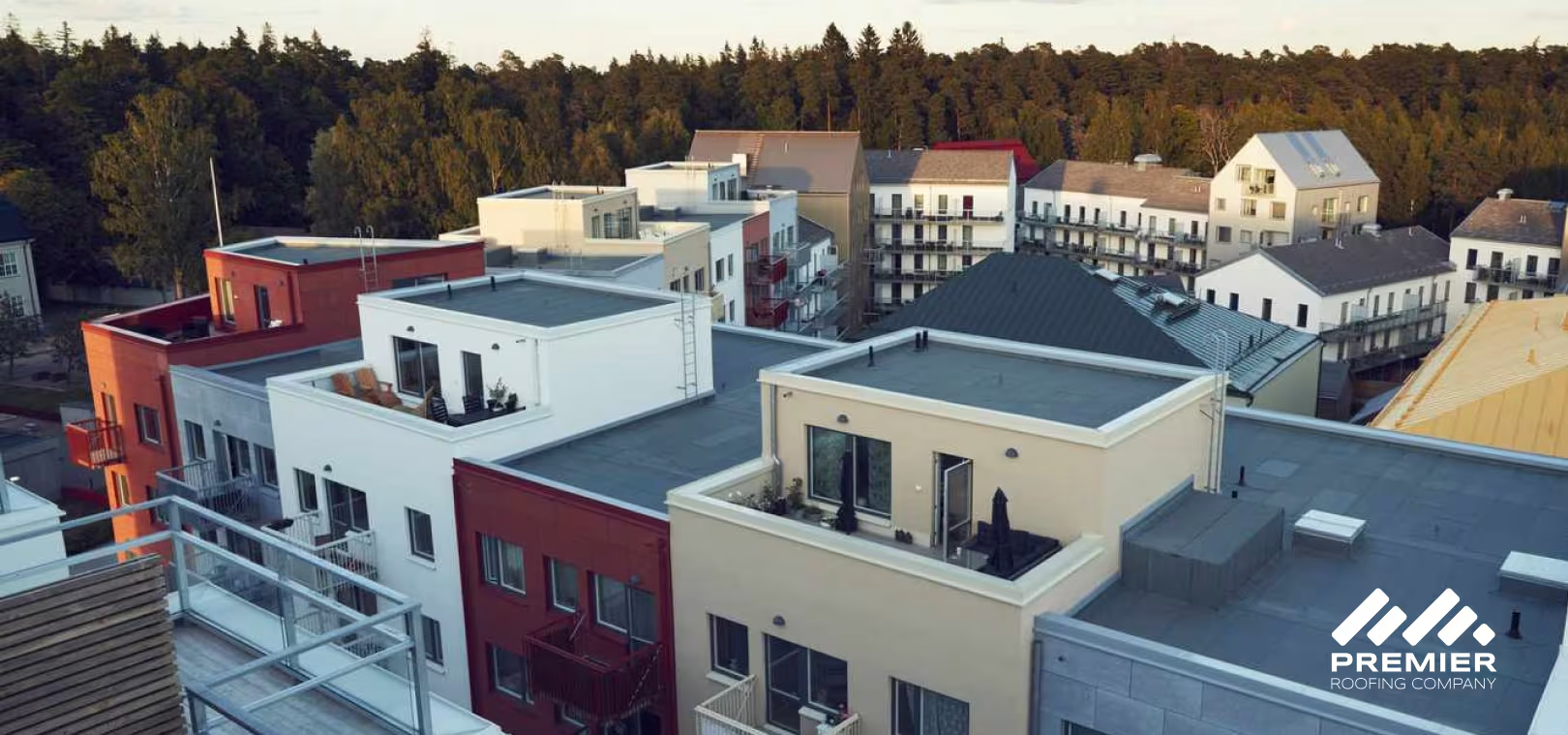
Apartment roofing is not just another maintenance task. It is a critical component of protecting rental income, tenant safety, and long-term property value. When a failure occurs in an apartment roofing system, the consequences are rarely isolated. A single leak can affect multiple units, damage interior finishes, interrupt tenant occupancy, and expose property owners to significant liability.
Whether you manage a duplex, a garden-style community, or a large multi-building complex, understanding apartment roofing systems at a structural and financial level allows you to make smarter long-term decisions. Material selection, drainage design, installation quality, and preventative maintenance all play a role in how well the roof protects the building.
A well-designed apartment roof is more than a surface covering. If you want to protect long-term rental income, schedule a professional roof inspection to evaluate the condition of your current roofing system.
TL;DR: What Property Owners Need to Know
Apartment roofing is less about a single repair and more about protecting a long-term investment. Because one roof covers multiple units, even small issues like flashing gaps or drainage problems can slowly turn into costly building-wide damage.
Material choice plays an important role. Systems such as TPO, metal roofing, or architectural shingles each offer different benefits in terms of durability, energy efficiency, and lifespan. But performance does not depend on materials alone. A reliable apartment roof works as a system, where insulation, drainage, flashing, and structure all work together to keep water out.
For property owners, the smartest approach is proactive planning. Routine inspections and scheduled maintenance help catch problems early, while long-term replacement planning prevents unexpected capital expenses.
Working with an experienced local contractor ensures the roofing system is installed correctly, maintained properly, and built to protect the property for years to come.
Table of Contents
- The 5 Most Common Apartment Roofing Materials
- Flat vs. Low-Slope Apartment Roof Systems
- Structural Considerations for Apartment Roofs
- How Long Does an Apartment Roof Last
- Apartment Roofing Costs: What Owners Should Expect
- Apartment Roof Repair vs. Full Replacement
- Energy Efficiency & Long-Term ROI
- Key Differences Between Residential & Apartment Roofing
- Look for Proven Stability
- Frequently Asked Questions
The 5 Most Common Apartment Roofing Materials
Choosing the right material for an apartment roofing system requires balancing installation cost, long-term durability, and maintenance requirements. For most property owners, the goal is to select a system that provides predictable performance over decades while minimizing disruption to tenants.
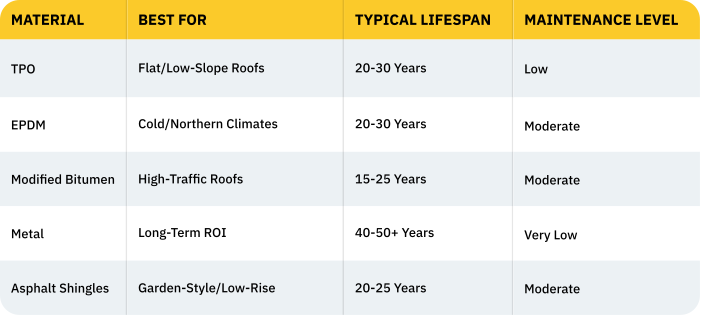
Modern apartment complex roofing services typically focus on five primary materials. Each offers a different combination of lifespan, maintenance needs, and structural performance depending on the building type.
TPO Roofing (Thermoplastic Polyolefin)
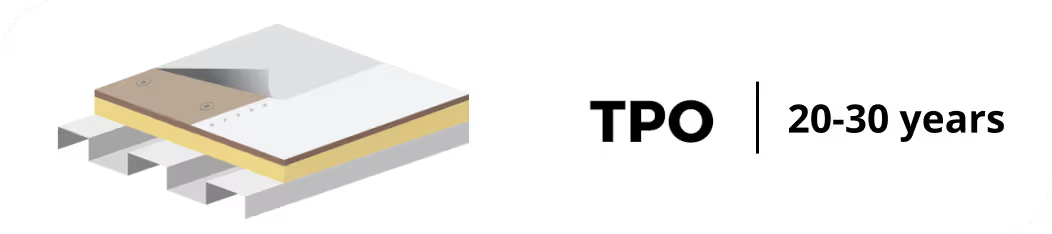
TPO has quickly become one of the most widely used materials for apartment roofs, particularly on flat or low-slope buildings. As a single-ply roofing membrane, TPO provides reliable waterproofing while remaining cost-effective for large multi-family structures.
One of the key advantages of TPO apartment roofing systems is its reflective white surface. This design reflects ultraviolet radiation from the sun, reducing heat absorption and helping lower cooling costs for top-floor apartments during the summer months.
Another major performance benefit comes from its heat-welded seams. Instead of relying on adhesives that may weaken over time, professional installers use specialized equipment to fuse seams together. This process creates a continuous waterproof layer across the entire apartment roof, significantly reducing the risk of leaks.
TPO also offers strong resistance to punctures, chemicals, and environmental wear, making it well suited for buildings with rooftop mechanical systems. When installed by experienced contractors and supported with routine maintenance, a TPO apartment roofing system can provide dependable protection for 20 to 30 years.
If your apartment building has a flat or low-slope roof, a professional roof inspection can help determine whether a TPO system is the right solution for long-term protection.
EPDM (Rubber Roofing)

EPDM roofing has been used in commercial and apartment roofing systems for decades and is especially valued in colder climates. This synthetic rubber membrane remains flexible even in freezing temperatures, allowing it to expand and contract without cracking.
For apartment roofs located in regions with heavy snowfall or large seasonal temperature swings, EPDM provides reliable long-term performance. The material resists thermal shock, hail damage, and UV exposure, making it a durable option for large flat roofing systems.
Unlike TPO, EPDM seams are typically sealed using adhesives rather than heat welding. While this approach simplifies installation, it also means seams should be inspected regularly to ensure the adhesive bonds remain secure as the building ages.
Because EPDM is darker in color, it absorbs more heat than reflective membranes. However, this can be beneficial in colder climates where additional heat retention helps reduce winter energy costs.
When maintained properly, EPDM apartment roofing can last between 20 and 30 years. For property owners prioritizing durability and cold-weather performance, it remains a dependable solution for multi-family buildings.
Modified Bitumen
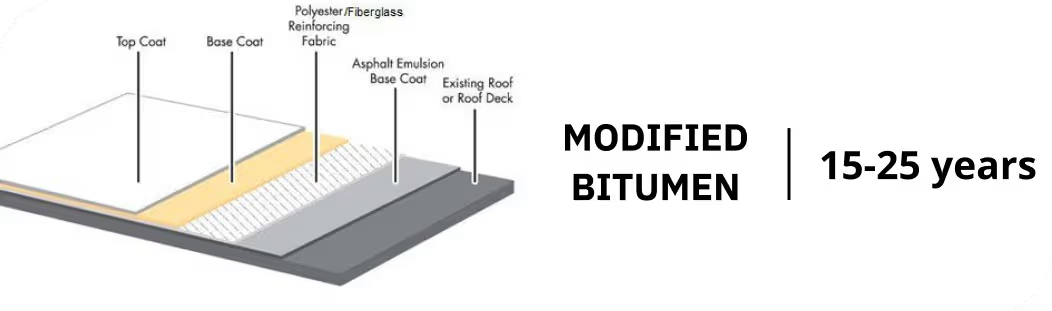
Modified bitumen roofing systems are known for their durability and multi-layer construction, making them well suited for apartment roofs that experience heavy foot traffic. Buildings with large HVAC systems or mechanical equipment often benefit from this extra reinforcement.
Unlike single-ply membranes, modified bitumen apartment roofing systems consist of several layers of asphalt-based materials reinforced with fiberglass or polyester. These layers create a thicker, more impact-resistant surface that can withstand dropped tools, service traffic, and equipment maintenance.
This material can be installed using several methods. Traditional torch-down installations fuse the membrane using controlled heat, while modern cold-applied adhesives provide a safer alternative with less odor during installation.
Because of its layered design, modified bitumen provides excellent waterproofing and puncture resistance. However, it does require periodic maintenance to ensure seams and flashing remain sealed.
For apartment buildings with frequent rooftop activity, modified bitumen remains a practical choice for long-lasting apartment roofing protection.
Metal Roofing Systems

Metal roofing systems are often considered the premium solution for apartment roofing, particularly for property owners focused on long-term return on investment. Although installation costs are higher than most membrane systems, the lifespan of a metal apartment roof can exceed 50 years.
Standing seam metal roofs are especially popular because they use concealed fasteners that reduce potential leak points. These systems allow panels to expand and contract naturally as temperatures change, improving long-term durability.
Some property owners choose exposed fastener systems as a more affordable alternative. While these systems require periodic maintenance, they still offer strong protection compared to many traditional materials.
Large apartment roofing projects require careful engineering when installing metal systems. Because metal expands and contracts with temperature changes, contractors must design fastening systems and panel layouts that accommodate this movement across large roof spans.
When installed correctly, metal roofing delivers exceptional longevity, low maintenance requirements, and excellent protection for multi-family buildings.
Asphalt Shingles (Low-Rise Apartment Buildings)
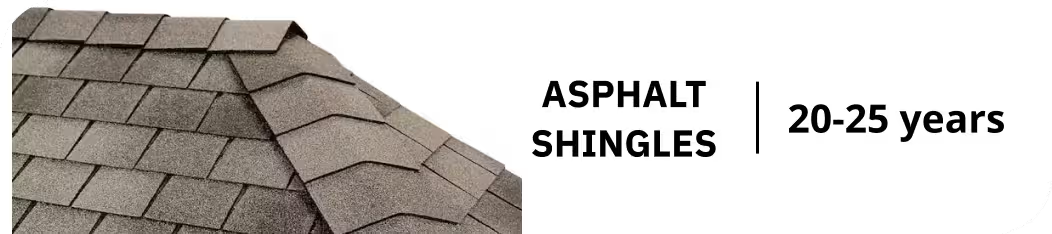
Asphalt shingles are commonly used on low-rise apartment roofs, including duplexes, townhomes, and garden-style apartment communities. These buildings often feature pitched rooflines similar to residential homes, making shingles a practical and cost-effective solution.
One of the biggest advantages of asphalt shingles is their affordability. Installation costs are lower than most commercial roofing systems, and repairs can often be completed quickly if damage occurs.
Shingles also offer the widest range of colors and styles, which helps property owners maintain curb appeal and meet HOA or neighborhood design requirements. For multi-building apartment communities, matching asphalt shingle roofing across multiple structures can create a consistent architectural appearance.
However, the long-term performance of shingle-based apartment roofing systems depends heavily on installation quality and attic ventilation. Proper airflow prevents heat buildup and moisture accumulation that can shorten the lifespan of the roof.
With professional installation and routine inspections, asphalt shingle apartment roofs typically last between 20 and 25 years.
Flat vs. Low-Slope Apartment Roof Systems
To compare roofing bids accurately, you need to evaluate the scope, not just the total price. Start by breaking each estimate into five key categories: Materials, Ventilation, Flashing, Underlayment, and Labor/Cleanup. These components determine how well your roof will perform under Denver’s hail, snow, and freeze-thaw conditions.
Next, compare each category line-by-line. For example, confirm whether all bids include the same shingle type, such as Class 4 impact-resistant shingles, and whether ventilation and flashing replacement are clearly specified. Missing details often indicate incomplete protection.
Only after comparing scope categories should you review the total price. If one bid omits critical components listed in others, it is not truly cheaper, it is incomplete. Accurate comparison ensures you select a contractor based on installation quality, not misleading pricing.
Drainage Design and Ponding Risks
Effective drainage is one of the most important elements of a successful apartment roofing system. If water remains on a roof for more than 48 hours after a storm, the condition is known as “ponding,” and it can cause serious long-term damage.
Standing water intensifies ultraviolet exposure by reflecting sunlight back onto the roofing membrane. This magnified UV exposure accelerates material degradation, causing seams to weaken and membranes to deteriorate more quickly than expected.
Water accumulation also introduces structural concerns. Water weighs approximately 62 pounds per cubic foot, meaning even shallow ponds can place significant stress on an apartment roof. Over time, this added weight may cause the roof deck to sag, creating deeper low spots that trap even more water.
Persistent ponding also increases the likelihood of leaks. Water can slowly force its way through microscopic imperfections in flashing, seams, or membrane layers, eventually reaching insulation and interior structures.
For these reasons, professional apartment roofing contractors prioritize drainage design, ensuring that water moves efficiently toward drains, scuppers, or gutters before it can damage the roofing system.
Internal Drains vs. Scuppers vs. Gutters
Different apartment roofing systems rely on different drainage solutions depending on the building’s architecture and roof design. Choosing the right drainage method is critical to maintaining the long-term performance of an apartment roof.
Internal drain systems are commonly used on large apartment complexes with flat roofs. These systems use a network of primary drains and overflow drains connected to interior pipes that move water safely through the building and away from the roof surface. Internal drains are designed to handle large volumes of water during heavy storms.
Scuppers are openings built into parapet walls around the roof perimeter. Water exits through these openings and flows into exterior downspouts. Scuppers are widely used in commercial and multi-family roofing systems because they are reliable and easier to inspect and maintain.
Gutters are more common on garden-style or low-rise apartment roofs that have slight slopes. These systems must be properly sized and securely installed to manage high volumes of runoff from large roof surfaces.
A professional apartment roofing contractor evaluates building structure, roof pitch, and climate conditions to determine the most effective drainage system for each property.
The High Cost of Improper Drainage
Improper drainage design is one of the most common causes of premature apartment roof failure. In many cases, problems arise when a roofing contractor installs a new membrane but fails to correct underlying structural issues such as low spots in the roof deck. These low areas allow water to accumulate after storms, creating ponding that slowly degrades the roofing system. Over time, the trapped water weakens seams, damages insulation, and increases the likelihood of interior leaks.
For property owners, poor drainage often leads to recurring repairs and rising maintenance costs. Instead of solving the root problem, temporary patches simply mask symptoms while the underlying issue continues to worsen. Professional apartment complex roofing services address drainage problems during installation or replacement by correcting slope issues, adjusting insulation layers, and ensuring drains are positioned properly across the roof surface.
Recurring ponding water or small leaks often indicate deeper drainage problems. Professional roof repair can address these issues before they spread across the building.
Structural Considerations for Apartment Roofs
An apartment roof is far more than a waterproof covering. It is a structural platform that supports critical building systems such as HVAC equipment, ventilation systems, and electrical infrastructure.
Because apartment roofing systems cover large surface areas and support heavy mechanical equipment, structural engineering must play a central role in any repair or replacement project. Multi-family roofs experience significantly more stress than residential roofs due to equipment loads, service traffic, and environmental exposure.
Before installing a new roofing system, contractors must evaluate the existing roof deck, structural supports, and insulation layers. This ensures the building can safely support the weight of new materials without compromising structural integrity.
Professional apartment complex roofing services also consider how rooftop equipment affects load distribution. Mechanical units must be properly supported to prevent concentrated pressure points that could damage the roofing system.
When structural considerations are addressed during installation, apartment roofing systems can provide reliable long-term protection while safely supporting the mechanical systems essential to building operation.
Load-Bearing Requirements
Large multi-family buildings often house substantial mechanical equipment on the roof. HVAC units, ventilation systems, and cooling equipment can weigh thousands of pounds, making proper load distribution essential for apartment roofing systems.
To support this weight, contractors install specialized mounting platforms known as curbs. These structures distribute the load across the roof deck and prevent localized pressure that could cause sagging or structural damage.
In colder regions, snow load must also be considered. A roof already supporting heavy equipment must still withstand the additional weight of snow accumulation during severe winter storms. Structural engineers calculate these loads to ensure the apartment roof meets local building codes and safety requirements.
Contractors must also evaluate whether the existing roof deck can support new materials. For example, replacing a lightweight single-ply membrane with a heavier multi-layer system may require additional reinforcement.
Proper structural analysis ensures that apartment roofing projects maintain both durability and safety for decades.
Walkability and Service Traffic
Unlike a typical residential roof, an apartment roof functions as an active workspace. HVAC technicians, electricians, plumbers, and inspectors regularly walk across the surface to service building infrastructure.
Frequent foot traffic increases the risk of punctures and surface wear, particularly on membrane-based apartment roofing systems. Dropped tools or repeated movement along the same paths can gradually damage the roof’s protective layers. To address this, professional installers add reinforced walkway pads in high-traffic areas. These protective surfaces are placed along common service paths, such as routes between roof access points and mechanical equipment, to protect the underlying membrane.
Areas surrounding rooftop equipment also require specialized flashing and reinforced pipe boots to prevent water intrusion. Because these zones experience the most movement and vibration, they are among the most common sources of leaks.
By reinforcing high-traffic areas and protecting mechanical penetrations, experienced apartment roofing contractors help ensure the roof remains durable despite ongoing service activity.
How Long Does an Apartment Roof Last
The lifespan of an apartment roof is one of the most important factors in determining long-term return on investment for property owners. While roofing materials have estimated service lives, the real longevity of an apartment roofing system depends on installation quality, climate conditions, and consistent maintenance.
Different materials provide different performance timelines and can determine longevity. Metal roofing systems can often last 40-50 years or more, making them one of the longest-lasting options for apartment roofing. Single-ply membranes such as TPO and EPDM typically last 20-30 years, while modified bitumen systems generally perform well for 15-25 years.
Environmental conditions also play a major role. Intense ultraviolet exposure gradually breaks down roofing membranes, while rapid freeze-thaw cycles can weaken seams and flashing. Apartment complexes located in hail-prone or high-wind regions may require reinforced materials and installation methods to reach their full lifespan.
Maintenance is equally critical. A well-installed roof that receives routine inspections can last decades, while a neglected system may fail far earlier than expected. Clogged drains, small punctures from service traffic, or loose flashing can allow water to infiltrate insulation layers and accelerate deterioration.
If your roof is approaching the end of its service life, planning a roof replacement early can help property owners avoid emergency repairs and tenant disruption.
Apartment Roofing Costs: What Owners Should Expect
Budgeting for an apartment roofing project requires more than simply calculating the cost per square foot. Multi-family roofing projects involve logistical challenges, building access considerations, and code requirements that can significantly influence the final investment. For property owners and managers, it is important to view apartment roofing as a long-term capital investment rather than a short-term repair. High-quality materials and professional installation may increase upfront costs, but they significantly reduce future maintenance expenses and extend the roof’s lifespan.
Cost Factors for Multi-Building Complexes
Several factors can influence the overall cost of apartment complex roofing services, particularly for large multi-building properties.
Tear-Off vs. Overlay:
An overlay involves installing a new roofing layer over the existing system. While this approach may reduce initial costs, it adds significant weight to the structure and prevents contractors from identifying damaged decking or insulation beneath the surface. A full tear-off allows for proper structural inspection and often provides better long-term performance.
Height and Building Access:
Apartment buildings that exceed three stories typically require specialized equipment such as cranes, lifts, and safety systems. These logistical requirements increase labor costs and extend project timelines.
Code Compliance and Insulation Requirements:
Modern building codes often require higher insulation R-values during full roof replacement. While this increases the upfront cost, improved insulation dramatically reduces long-term energy expenses and enhances the overall performance of the apartment roofing system.
Understanding these factors helps property owners make informed decisions when planning multi-family roofing projects.
Apartment Roof Repair vs. Full Replacement
Property managers frequently face the difficult decision between continuing repairs and investing in a full apartment roofing replacement. The goal is to extend the life of the current system without risking large-scale interior damage or structural deterioration.
Minor repairs are common throughout the life of an apartment roof, particularly after storms or routine service activity. However, repeated patching eventually becomes less effective as the roofing system ages. A professional inspection from experienced apartment complex roofing services can determine whether targeted repairs are still viable or whether a full replacement provides better long-term value.
Understanding the difference between temporary fixes and structural issues helps property owners avoid escalating maintenance costs and unexpected building damage.
When Repairs Make Sense
Roof repairs are often the most practical solution when damage is limited to a small, isolated area. Punctures caused by service equipment, minor flashing damage, or localized membrane wear can typically be repaired without replacing the entire apartment roofing system.
Repairs are most effective when the roof is relatively young generally under 10-15 years old, and the underlying insulation and decking remain structurally sound. In these cases, targeted maintenance can extend the lifespan of the apartment roof while helping property managers control short-term costs.
Routine inspections play a key role in identifying these repair opportunities early. By addressing minor issues quickly, property owners can prevent small leaks from spreading across larger areas of the roof. Strategic repairs performed by professional multi-family roofing contractors help maintain roof performance while delaying the need for a full replacement.
When Replacement Is Inevitable
At a certain point, continued repairs become financially inefficient. When leaks begin appearing across multiple areas of the roof, property managers may fall into what contractors call the “patchwork trap,” where maintenance costs continue rising without solving the underlying problem.
Several signs indicate that a full apartment roofing replacement is necessary. Widespread seam failures, persistent ponding water, and saturated insulation layers are all indicators that the roofing system has reached the end of its service life. Once moisture penetrates insulation, it reduces thermal efficiency and can lead to mold growth or structural decay within the building.
Severe weather events may also accelerate the need for replacement. Major hailstorms or high winds can damage roofing membranes beyond the point of reliable repair. In these cases, working with experienced contractors who understand storm damage roof insurance claims is essential to restoring the property.
A full replacement ensures the building receives a new, properly engineered apartment roofing system designed to perform for decades.
Energy Efficiency & Long-Term ROI
Apartment roofing should be viewed as a 20-40 year investment rather than a short-term maintenance expense. Energy-efficient roofing systems can dramatically reduce operational costs while improving overall building performance. Modern apartment roofing materials are designed to reflect heat, improve insulation performance, and reduce strain on building mechanical systems. These improvements lower long-term operating costs while enhancing tenant comfort.
When evaluating apartment complex roofing systems, property owners should consider the total cost of ownership. Although energy-efficient materials may have higher installation costs, they often deliver significant savings through reduced energy consumption and extended equipment lifespan. Over time, these savings can offset the initial investment while increasing the long-term value of the property.
Lower Cooling Costs
Reflective “cool roof” membranes such as white TPO are specifically designed to reduce heat absorption on apartment roofs. These materials reflect solar radiation rather than absorbing it into the building structure.
In many cases, reflective roofing systems can reduce rooftop temperatures by up to 50°F during peak summer conditions. This prevents excessive heat from transferring into upper-floor units and reduces the amount of energy required to cool the building. For large apartment complexes, these improvements can lower cooling costs by 15-30 percent, making reflective apartment roofing systems a valuable long-term investment.
Reduced HVAC Strain
When a roofing system reflects heat effectively, building cooling equipment does not need to work as hard to maintain comfortable indoor temperatures.
Reducing heat transfer through the apartment roof lowers the workload placed on rooftop HVAC systems, helping extend their operational lifespan. Because these mechanical systems represent a major capital investment for property owners, reducing wear and tear can significantly lower maintenance and replacement costs. Energy-efficient apartment roofing systems therefore provide benefits beyond the roof itself by protecting other critical building infrastructure.
Upgraded Insulation
During a full apartment roofing replacement, upgrading insulation is one of the most effective ways to improve building efficiency. Increasing the insulation’s R-value strengthens the thermal barrier between the roof and interior spaces.
Improved insulation helps stabilize indoor temperatures throughout the year, reducing heat loss during winter and minimizing heat gain during summer. This reduces energy consumption while making apartments more comfortable for tenants. Modern building codes often require these insulation upgrades during major apartment roofing projects, ensuring the property meets current energy standards.
Improved Tenant Comfort
Energy-efficient apartment roofs do more than reduce utility costs,they also improve tenant comfort. Buildings with stable indoor temperatures experience fewer hot or cold spots, creating a more comfortable living environment.
Consistent interior conditions make apartments more attractive to prospective renters and can help property managers retain high-quality tenants. Reduced turnover means fewer vacancy periods and more predictable rental income. For property owners, investing in high-performance apartment roofing systems ultimately strengthens both building performance and tenant satisfaction.
Key Differences Between Residential & Apartment Roofing
Multi-Unit Risk Exposure and Liability
The stakes are significantly higher with apartment roofing compared to residential roofing. A single leak in a multi-family building can affect multiple units simultaneously, damaging ceilings, flooring, and personal property across several apartments.
Beyond repair costs, property owners may also face liability for tenant belongings and “loss of use” claims if residents are forced to temporarily relocate.
Professional multi-family roofing services focus heavily on risk management, rapid leak mitigation, and proactive maintenance to protect both tenants and property owners.
Larger Surface Area = Higher Failure Impact
Apartment buildings typically have roof surfaces that span tens of thousands of square feet. On structures this large, even small design errors can create major problems.
A minor slope issue that might produce a small puddle on a house can create massive ponding across a large apartment roof, increasing structural stress and accelerating membrane deterioration. Additionally, large roofs expand and contract significantly as temperatures change. Without proper installation techniques, this movement can place stress on seams and flashing. Experienced apartment roofing contractors understand how to manage these large-scale structural dynamics.
Tenant Protection and Occupancy Constraints
Unlike many commercial projects, apartment roofing work is performed while residents continue living in the building. This requires careful coordination to maintain tenant safety and minimize disruption.
Contractors must follow strict safety protocols, including debris containment systems, controlled material staging areas, and OSHA-compliant barriers. Phased work schedules and clear communication with property managers help ensure that apartment roofing projects proceed safely while residents remain in their homes.
Code Compliance and Commercial Roofing Standards
Apartment buildings must comply with many of the same structural and safety standards as commercial buildings. These regulations include Class A fire ratings, strict load calculations for rooftop equipment, and energy code requirements.
Many jurisdictions also require reflective roofing membranes and minimum insulation levels to meet modern efficiency standards.
Working with experienced apartment complex roofing services ensures that projects meet all local codes while maintaining eligibility for manufacturer warranties and insurance coverage.
At Premier Roofing, apartment roofing is treated as asset protection, not just construction. With 20+ years of service and a BBB A+ rating, our local team provides the expertise property managers need to protect their buildings and tenants.
Look for Proven Stability
When you’re choosing an apartment roofing contractor, longevity tells you a lot. Roofing systems last decades, so the company installing them should be stable enough to stand behind the work.
Contractors that have operated for 20+ years have already proven they can handle large projects and changing market conditions. A BBB A+ rating is another good signal. It usually means the company has a strong record of ethical business practices and resolving customer issues.
For larger apartment complexes, financial bonding also matters. Contractors who qualify for bonding show they have the financial strength to complete large roofing projects reliably.
At Premier Roofing, we meet all of these standards and bring more than two decades of experience working with multi-family properties.
If you are currently evaluating contractors, review our full guide on how to choose a roofer to learn what separates reliable roofing companies from short-lived operators.
Frequently Asked Questions
BLOG
Premier Roofing & The Press
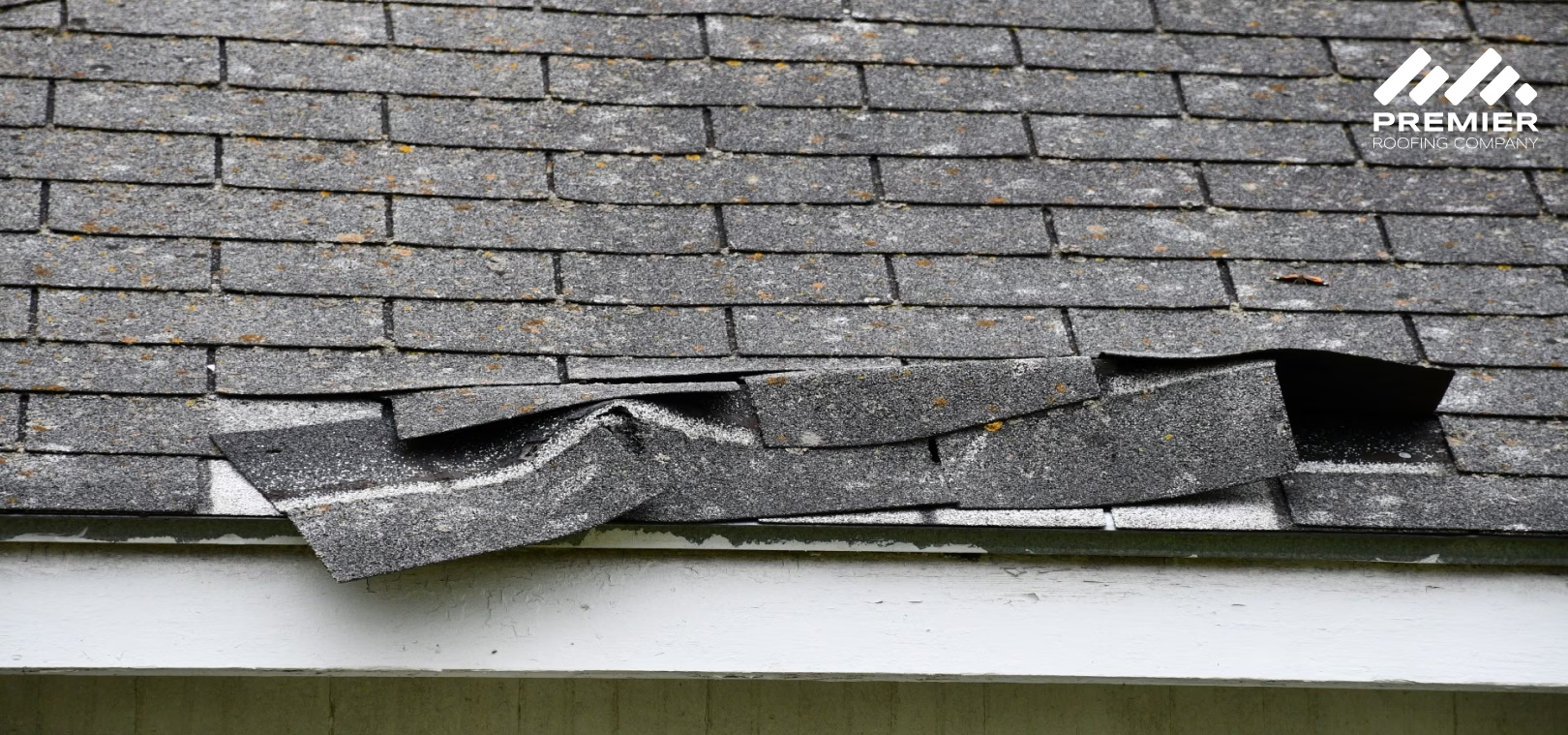
7 Signs You Need a Roof Replacement
Navigating roofing issues can be a stressful experience. While repairs can already be a headache, the thought of needing a complete roof replacement can feel downright intimidating.
Apartment Roof Replacement
If you've put off a roof replacement for your business, learn how a new roof can be a good investment for your business.
How to Pick a Roofing Contractor in Denver
Choosing a roofing contractor in Denver isn’t just another to-do; it’s a significant decision that impacts your home’s long-term protection, energy efficiency, and value. In Denver, hail, high winds, heavy snow, and intense UV exposure are part of the norm. Cutting corners on your roof could mean thousands in future repairs.