

When storm damage hits your home, understanding roofing insurance can make all the difference between a smooth repair process and unnecessary stress. This quick guide is designed to help homeowners make sense of common roofing insurance terms and how they affect the total cost of roof repair or replacement. Whether it’s hail damage, wind damage, or general storm impact, knowing how your policy works helps you make informed decisions.
At Premier Roofing, we don’t just fix roofs. We guide homeowners through the entire insurance process. From initial inspection to final payout, our team ensures you receive full coverage for your roof restoration and peace of mind knowing your home is protected.
How Does Roofing Insurance Work?
Most homeowner insurance policies include roofing insurance under the “dwelling protection” section, which covers damage to the structure of your home, including your roof. This means if your roof is suddenly damaged by hail, high winds, or falling debris, your insurer will likely pay to repair or replace it, minus your deductible.
However, coverage can vary depending on your roof’s age and condition. Older roofs (typically over 20 years old) or those with existing wear and tear may not qualify for full coverage. That’s why it’s essential to review your policy’s fine print and coverage limits before filing a claim.
At Premier Roofing, we guide homeowners through every step of the insurance process, from inspection and photo documentation to helping with claim submission. Need a more detailed walkthrough? See our full process here.
What Roofing Insurance Doesn’t Cover
Even the best policies have limits—and understanding what your roofing insurance doesn’t cover can save you from surprises later. Most insurers exclude damage caused by gradual deterioration, such as neglect, mold, or normal aging. If a small leak worsens over time due to delayed maintenance, your insurer may deny the claim entirely.
Some policies also exclude cosmetic issues like minor shingle discoloration or surface dents, even if they result from a covered event. These are considered non recoverable depreciation on roof claims—costs that your insurer won’t reimburse because they don’t impact the roof’s function.
This is where working with an experienced roofing company like Premier Roofing makes a real difference. Our team helps identify what’s truly covered and ensures your claim is documented properly for the best possible
Understanding Key Insurance Terms
RCV (Replacement Cost Value)
Replacement Cost Value, or the initial insurance-estimated cost to replace your roof.
Recoverable Depreciation
The amount the value of your roof has decreased because it isn’t brand new.
ACV (Actual Cash Value)
Actual Cash Value. The RCV minus Recoverable Depreciation = ACV.
Deductible or Copay
Subtracted from your claim. This roof insurance deductible or copay will be paid out-of-pocket to your contractor.
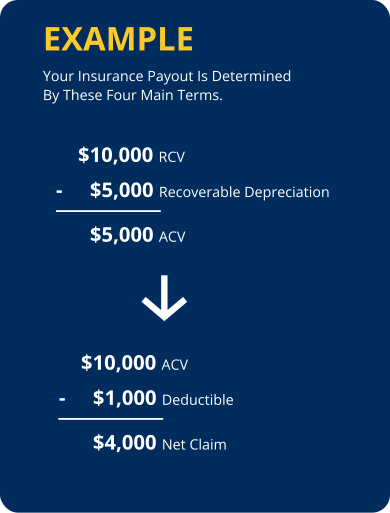
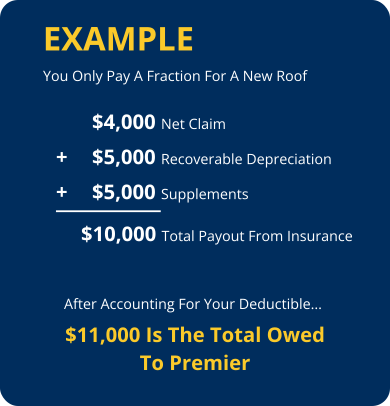
When your roof is completed, you will be given:
- Your Recoverable Depreciation
- Supplements for Permit
- Taxes & Code Requirements
Which makes the total payout from the insurance company to you $10,000. Or, $1,000 less than your bill from Premier to account for your deductible.
*Please note the numbers listed here are for example purposes and actual costs vary from project to project.
Non Recoverable Depreciation
Non recoverable depreciation on roof insurance is one of the most overlooked parts of a homeowner’s policy—and one that can directly affect how much you get paid after a storm. Simply put, non recoverable depreciation refers to the portion of your roof’s value that the insurance company will not reimburse, even after the roof has been repaired or replaced.
This usually applies when your policy only covers your roof under Actual Cash Value (ACV) instead of Replacement Cost Value (RCV). Under an ACV policy, your insurer subtracts depreciation (based on the roof’s age and condition) from the payout, and that amount is gone for good. If your roof is 15 years old, for example, the insurer may reduce the claim significantly because of wear and tear.
Knowing whether your plan includes non recoverable depreciation on roof repairs is crucial before filing a claim. Homeowners with RCV coverage, on the other hand, are reimbursed for both the initial ACV payment and the recoverable depreciation once the job is complete.
Example Insurance Payout Breakdown
If a roofer provides an estimate that is more than the RCV, you will be required to pay the difference to your roofing contractor.
Example: If your RCV is $10,000, and your estimate is $12,000, you owe the roofing contractor $2,000 (the difference) + $1,000 (the deductible) = $3,000 total out of pocket.
If a roofer provides an estimate that is less than the RCV, your insurance company will only release enough money to cover the estimate.
Example: If your RCV is $8,000, and your estimate is $8,000, you only owe the roofing company your $1,000 deductible = $1,000 total out of pocket for a cheap roof.
Working with Premier Roofing
When it comes to roof insurance, Premier Roofing takes the stress out of the entire process. Our team manages everything from claim filing to final inspection so you don’t have to. Homeowners only pay their deductible, while we handle all insurance paperwork, complete your roof replacement, and ensure your new roof meets the highest quality standards.
As an IKO Roofpro contractor, Premier uses premium materials built to withstand severe weather and deliver lasting protection. Every project is completed with care, precision, and full compliance with your insurance coverage, whether it’s a residential roof replacement or a large-scale multi-family roofing project.
Plus, all of our work is backed by a Lifetime Workmanship Warranty, giving you long-term peace of mind that your investment is protected. With Premier Roofing, you’re not just getting a new roof—you’re getting a trusted partner who simplifies the roof insurance process and ensures every detail is handled from start to finish.
Ready to Understand Your Roof Coverage?
efore the next storm season hits, take a moment to review your roof insurance policy so you know exactly what’s covered—and what’s not. Understanding key terms like recoverable depreciation roof and roof actual cash value can make all the difference when it comes to filing a successful claim.
At Premier Roofing, we’re more than contractors—we’re your trusted local advocates. Our team simplifies the insurance process, manages all documentation, and ensures your home gets the full protection it deserves. Whether you need guidance on your coverage or a detailed inspection after a storm, we’re here to help every step of the way.
Frequently Asked Questions
BLOG
Premier Roofing & The Press
The Best Roofing Companies in St. Louis
St. Louis weather can be unforgiving. Between hailstorms, heavy rain and intense summer heat, your roof takes a beating year after year.

The Best Roofing Companies in Denver
A dependable roof isn't just nice to have - it's an absolute must. With the heavy spring hail and the rough winter ice we get here, your home needs the best defense possible.

The Best Roofing Companies in Minneapolis
Choosing the right roofing company in Minneapolis can make all the difference between a repair that fails by the next storm and one that holds strong