

Most roofing failures are not caused by severe storms. They are caused by common roofing mistakes during installation, repair, or replacement. These errors often remain hidden while slowly weakening the roofing system. A roof is designed to move water safely away from your home. When even one component is installed incorrectly, such as flashing, underlayment, or ventilation, moisture can enter beneath the surface. This leads to decking rot, mold growth, insulation damage, and structural deterioration.
The frustrating part? Many homeowners do not realize a problem exists until leaks appear inside. By that point, repairs are more expensive and may require partial or full roof replacement. Understanding common roofing mistakes helps homeowners make informed decisions, protect their investment, and avoid preventable long-term damage.
If you're unsure whether your roof was installed correctly, a professional roof inspection can reveal hidden problems before they turn into expensive repairs.
TL;DR: Roofing Mistakes That Cost the Most
Most roofing failures are not caused by extreme weather. They are caused by preventable installation errors, poor ventilation design, and improper flashing installation. These common roofing mistakes weaken the system and allow moisture to enter where it should never reach.
The most expensive roofing mistakes typically include:
- Improper flashing around chimneys, walls, and roof penetrations, which allows water intrusion
- Incorrect nailing patterns that reduce wind resistance and void manufacturer warranties
- Poor attic ventilation that traps heat and moisture, accelerating shingle deterioration
- Installing new roofing materials over damaged decking, which allows hidden structural damage to worsen
- Choosing the lowest bid without reviewing the full scope of work, materials, and installation standards
Many roofing mistakes do not cause immediate leaks. Instead, small installation errors allow moisture to enter slowly. Over time, this leads to mold growth, insulation damage, ceiling stains, and structural deterioration. By the time visible signs appear, repairs are significantly more expensive. The safest way to avoid common roofing mistakes is to treat the roof as a complete system, not just a surface layer. Homeowners should verify permits, insurance coverage, and installation documentation to ensure work meets code and manufacturer requirements. Avoid contractors who offer illegal deductible shortcuts or unclear project scopes.
Working with an established local roofing contractor provides accountability, proper installation, and long-term protection. Choosing experience and correct installation upfront is almost always more affordable than repairing hidden damage caused by preventable roofing mistakes later.
Table of Contents
Why Roofing Mistakes Are So Expensive
Roofing Is a System, Not Just Shingles
Many homeowners think shingles are the most important part of a roof. In reality, shingles are only the outer layer of a larger protective system.
A complete roofing system includes:
- Roof decking for structural support
- Underlayment to prevent moisture penetration
- Ice and water shield to protect vulnerable areas
- Flashing to seal roof transitions
- Ventilation to regulate temperature and moisture
- Roofing materials to shed water
If one layer is installed incorrectly, the entire system becomes vulnerable. For example, missing flashing allows water to enter around vents and chimneys. Poor ventilation traps heat and moisture, accelerating material deterioration. These common roofing mistakes create hidden damage that spreads over time.
When planning to install a new roof, make sure the contractor explains the entire system, not just the top layer.
10 Most Common Roofing Mistakes
1. Poor Installation
Make sure that the roofing contractor is using high-quality materials. The shingles you select for your roof should have the proper rating for your climate, durability, and energy efficiency, and should offer a comprehensive materials warranty for your roof. Don’t let the contractor talk you into using substandard products.
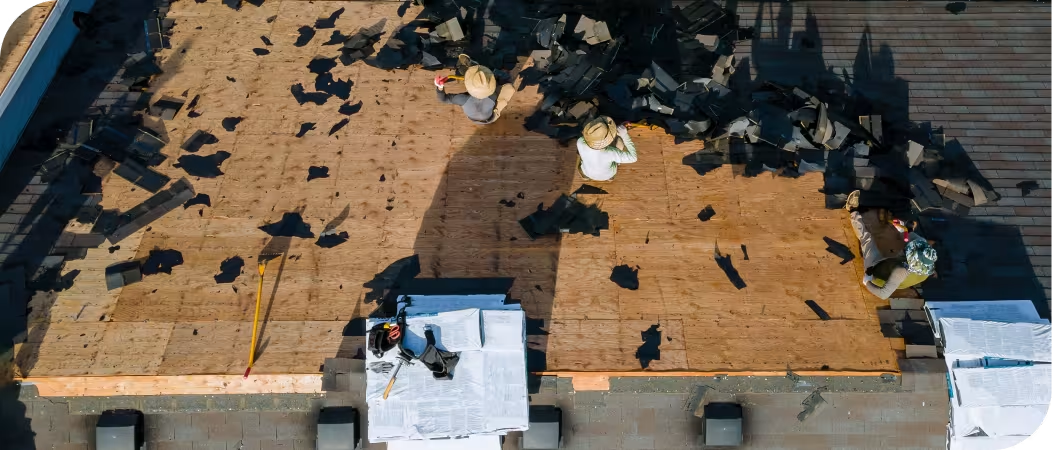
The materials used to replace your roof is only part of the equation. You want to be sure that the crew doing the work will do a good job. Ask about the qualifications of the workers who will be installing your roof and check online reviews for previous installations that the contractor has done. It is all too common for roofing contractors to cut corners, like placing new shingles over old ones, not doing the proper prep work, or failing to clean up when the job is completed.
2. Using Materials Not Rated for Your Climate
Roofing materials must be selected based on your region’s specific weather conditions. Using products that are not rated for local wind speeds, hail impact, temperature swings, or precipitation significantly increases the risk of premature roof failure.
For example, installing standard asphalt shingles in hail-prone areas without proper impact ratings makes them more vulnerable to cracking and granule loss. In high-wind regions, shingles without adequate wind resistance can loosen or detach during storms. In hot climates, poor material selection combined with inadequate ventilation accelerates shingle aging, causing them to dry out, curl, and deteriorate faster.
Climate-appropriate roofing materials are engineered to handle these environmental stresses. Before signing a contract, confirm that your roofing system meets manufacturer ratings for your region. Proper material selection is essential to prevent common roofing mistakes and ensure long-term durability.
3. Improper Flashing Installation
Flashing is thin metal strips that are installed around roof vents, chimneys, and skylights. The purpose of flashing is to redirect water away from these entry points to deter leaks. A roofing contractor may try to cut costs by reusing flashing. Used flashing makes your roof more susceptible to water damage.
4. Reusing Old Flashing
Some contractors attempt to reuse existing flashing during roof replacement to reduce costs. This creates significant risk. Flashing is constantly exposed to moisture, temperature changes, and expansion cycles, which cause gradual deterioration over time.
Even if flashing appears intact, it may contain hidden corrosion, nail holes, stress fractures, or warping that compromise its ability to seal properly. Flashing rarely lasts through two roof cycles, and reusing it increases the likelihood of future leaks. Replacing flashing during roof installation ensures proper sealing and long-term performance. This small investment helps prevent moisture intrusion and avoids costly repairs caused by hidden flashing failure.
5. Incorrect Nailing Patterns
Roofing manufacturers specify exact nail placement locations to ensure shingles perform correctly. Incorrect nailing patterns are one of the most common roofing mistakes and can significantly reduce roof durability.
Nails placed too high prevent shingles from sealing properly, making them vulnerable to wind uplift. Nails driven too low expose nail heads to water intrusion. Overdriven nails tear through shingles, while underdriven nails prevent proper fastening. These installation errors weaken wind resistance and can void manufacturer warranties. Confirm installation crews follow nailing diagrams exactly so shingles remain secure, resist weather damage, and perform as designed over their full lifespan.
6. Installing Over Damaged Decking
Roof decking provides the structural foundation of your roofing system. New shingles must never be installed over damaged decking because this allows hidden structural problems to continue worsening beneath the surface. Signs of compromised decking include soft spots, sagging areas, water stains, or visible rot. Covering damaged decking traps moisture and prevents proper repairs, allowing deterioration to spread.
During roof replacement, contractors should inspect the decking after removing old materials. Any damaged wood must be replaced before installation continues. Proper decking preparation ensures structural integrity and prevents future roofing failures.
Recognizing the usual predatory tactics early can prevent costly mistakes. Roofing insurance scammers rely on urgency, vague documentation, and lack of accountability to exploit homeowners after storms. Understanding these red flags helps you avoid fraudulent contractors and ensure your roof is repaired by a qualified, licensed professional who stands behind their work.
7. Improper Material for Roof Pitch
The pitch (slope) of the roof is the rise over run, dictating how shingles should be placed. The steepness of the pitch can also determine what type of roofing material should be used and how it should be installed. Neglecting the roof pitch can leave your roof vulnerable to water damage.
8. Poor Ventilation Design
Neglecting ventilation can reduce the lifespan of your new roof. Without proper ventilation, your attic will get too hot, and moisture can also build up, which can damage the roof and insulation. Improper roof ventilation can impact the shingles and roof decking, which may void manufacturer warranties.
9. Skipping Underlayment or Ice & Water Shield
Underlayment provides a secondary moisture barrier beneath shingles. Ice and water shields offer additional protection in vulnerable areas such as eaves, valleys, and penetrations. Skipping these protective layers increases vulnerability to wind-driven rain, ice dams, and leaks. These barriers protect the decking if shingles are damaged or displaced. Proper underlayment installation is essential for long-term roofing system protection.
10. Not Pulling Proper Permits
Roofing permits ensure installation meets local building codes and safety standards. Skipping permits or failing to obtain one allows improper installation to go uninspected, increasing the risk of long-term damage.
Permits ensure the work is inspected for code compliance and also protect homeowners during insurance claims and home resale. Lack of proper documentation can complicate insurance coverage and reduce property value. Working with a licensed contractor ensures proper permitting and code-compliant installation.
Common Mistakes to Avoid When Installing Metal Roofing
Incorrect Fastener Placement
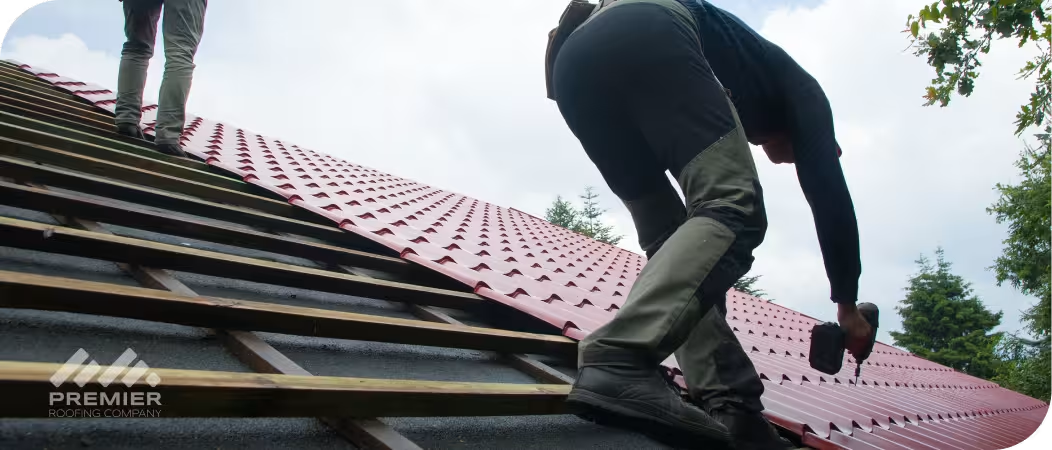
Metal roofing requires precise installation to perform correctly. Unlike shingles, metal panels expand and contract with temperature changes, making proper fastening, overlap, and underlayment critical.
Common mistakes to avoid when installing metal roofing include incorrect fastener placement, improper screw torque, insufficient panel overlap, and using underlayment not rated for high temperatures. Professional installation ensures proper system movement, weather resistance, and long-term durability. Ensure your local roofing team follows the manufacturer-specified pattern for your specific panel type.
Over-Tightening or Under-Tightening Screws
Achieving the "Goldilocks" level of torque on a metal roof screw is a skill that comes with years of experience. Metal roofing systems have manufacturer-specified fastening patterns designed to maintain structural integrity. Incorrect fastener placement weakens panel attachment and increases leak risk. If screws are driven too hard, the neoprene or rubber washers will split and crack. Once the seal is broken, water enters the screw hole and rots the decking beneath. If screws are too loose, the washer never forms a seal, allowing wind-driven rain to penetrate the roof system easily.
Professional installers use torque-sensing tools to ensure every washer is perfectly compressed without being crushed.
Ignoring Expansion and Contraction
Metal expands and contracts significantly with temperature changes. Improper installation restricts movement, causing panel warping, fastener failure, and structural stress.If panels are pinned too tightly without room to move, they will suffer from "oil canning" (visible waves or ripples), loosened fasteners, and warped panels. A professional roofing company installation utilizes specialized clips or oversized fastener holes that allow the roof to "breathe" and move without compromising the seal.
Improper Panel Overlap
Panel seams are vulnerable to water intrusion on a metal roof. Incorrect overlap or improper sealing allows moisture to penetrate during storms. During heavy, wind-driven rain, water can be forced "uphill" into the seams. If the overlap isn't deep enough or lacks mechanical locking, moisture intrusion is inevitable.Verify that your contractor is using the correct rib-height and overlap specifications for your roof's specific pitch.
Using the Wrong Underlayment
Underlayment is a critical protective layer installed between the roof deck and the metal panels. It serves as a secondary moisture barrier and protects the decking if water ever gets beneath the metal roofing system.
Metal roofs absorb and transfer heat much more aggressively than asphalt shingles. During summer, temperatures beneath metal panels can exceed 200°F. Standard felt or low-quality synthetic underlayments are not designed to withstand these extreme temperatures. Over time, they can dry out, crack, degrade, or bond to the underside of the metal panels, losing their ability to protect against moisture.
Once underlayment fails, moisture can reach the roof decking, causing wood rot, mold growth, and structural deterioration. High-temperature underlayment specifically rated for metal roofing systems is designed to handle extreme heat, expansion cycles, and long-term exposure. Using the correct underlayment ensures the roofing system remains properly sealed and protects your home from hidden moisture damage.
How Roofing Mistakes Turns Into Structural Damage
The most dangerous roofing mistakes are the ones homeowners cannot see. Installation errors often allow small amounts of moisture to enter the roofing system slowly, without causing immediate leaks. These hidden issues act as silent structural threats. Water that enters beneath roofing materials is absorbed by insulation and decking, where it gradually weakens the structural components of your home. Because this damage develops over time, it often goes unnoticed until visible signs appear inside, such as ceiling stains or sagging areas.
By the time symptoms become visible, structural repairs may require decking replacement, insulation repair, or full roof replacement. What could have been a simple repair becomes a significantly more expensive project. Preventing roofing mistakes early protects your home’s structural integrity and avoids costly long-term damage.
Ventilation Problems
Proper airflow is the lungs of your roofing system. When a contractor fails to balance intake and exhaust vents, attic temperatures can soar above recommended levels.
- Shingle "Cooking": Excessive heat traps moisture and "cooks" your shingles from the underside, causing them to become brittle, curl, and lose granules prematurely.
- HVAC Strain: An overheated attic forces your air conditioning system to work significantly harder, leading to higher energy bills and a shorter lifespan for your HVAC unit.
- Condensation Issues: In winter, poor ventilation traps warm, moist air inside the attic. This creates condensation that drips onto your insulation, leading to mold growth and wood rot - problems homeowners rarely notice until the air quality in the house declines or the roof deck sags.
Granule Loss and Moisture Intrusion
Asphalt shingles are embedded with granules to offer UV protection to your roof along with wind resistance. If you notice a buildup of granules in the gutters or on the ground, then it could be that your shingles are wearing out. During a roofing inspection, the contractor will assess the integrity of your asphalt shingles and recommend repairs or replacement.
Even small installation errors, such as improperly sealed flashing or incorrectly driven nails, allow moisture to enter the roofing system gradually. This moisture is absorbed by insulation and decking, where it may not cause visible leaks immediately. Over time, trapped moisture promotes wood rot and structural weakening. By the time interior stains appear, the damage beneath the surface may already be extensive.
Early inspection and proper installation prevent moisture intrusion and protect long-term roofing performance.
Warranty Voids from Installation Errors
A roof is only as good as the warranty that backs it. Manufacturers have incredibly strict installation requirements, and even minor deviations can completely void your protection. Common roofing mistakes can include:
- Common Void Triggers: Manufacturers often deny claims if they find evidence of incorrect nailing (high-nailing or over-driving), a missing starter strip, or improper ventilation that doesn't meet their specifications.
- Reused Materials: Attempting to save money by using reused flashing is another frequent cause for warranty denial, as it compromises the system's integrity.
- Insurance Implications: During the insurance claim process, having proper documentation that proves your roof was installed to code is essential. If an adjuster discovers the original installation was flawed, it can complicate your ability to get a full settlement.
Our Free Roof Inspection Reviews The Health of Your Roof
Roofing problems rarely start as major failures. They begin small and layered. A loose flashing detail, minor shingle damage, or poor ventilation can quietly allow moisture into the system. Once water enters, repairs often become more complex and expensive.
That is why working with a trusted local team matters from the start. The right contractor helps prevent mistakes before they turn into structural issues.
When choosing a roofing company, look for:
- A consistent local crew, not rotating subcontractors
- A third party rating like BBB A+
- A good track of record of service in the community
- Transparent, written pricing
- Clear documentation and post-project accountability
If you are unsure about your current roof condition, request a professional evaluation here.
Taking time to prevent roofing mistakes today protects your home, your finances, and your peace of mind for years to come.
Frequently Asked Questions
BLOG
Premier Roofing & The Press
13 Best Roofing Companies in Charlotte, NC in 2026 | Premier-Roofing.com
A lot of homeowners in Wichita end up replacing their roof sooner than expected, not because it was necessary, but because the damage wasn’t properly assessed early on. It happens more often than people think. If you’re searching ...
15 Best Roofing Companies in Raleigh, NC in 2026 | Premier-Roofing.com
A lot of homeowners in Wichita end up replacing their roof sooner than expected, not because it was necessary, but because the damage wasn’t properly assessed early on. It happens more often than people think. If you’re searching ...
15 Best Roofing Companies in Dallas, TX in 2026 | Premier-Roofing.com
A lot of homeowners in Wichita end up replacing their roof sooner than expected, not because it was necessary, but because the damage wasn’t properly assessed early on. It happens more often than people think. If you’re searching ...


 COMPANY
 CUSTOMERS
 RESOURCES