

How to Make Roofing Insurance Claims for Storm Damage
Dealing with a storm is stressful enough, but having to manage your insurance claims only adds to the frustration. But don’t worry, we’ve got your back with this step-by-step guide to help you through the process. At Premier Roofing, we understand the importance of a swift and efficient claim to restore your home.
This guide is designed to walk you through each step, ensuring you maximize your insurance benefits and get your roof back to its best.
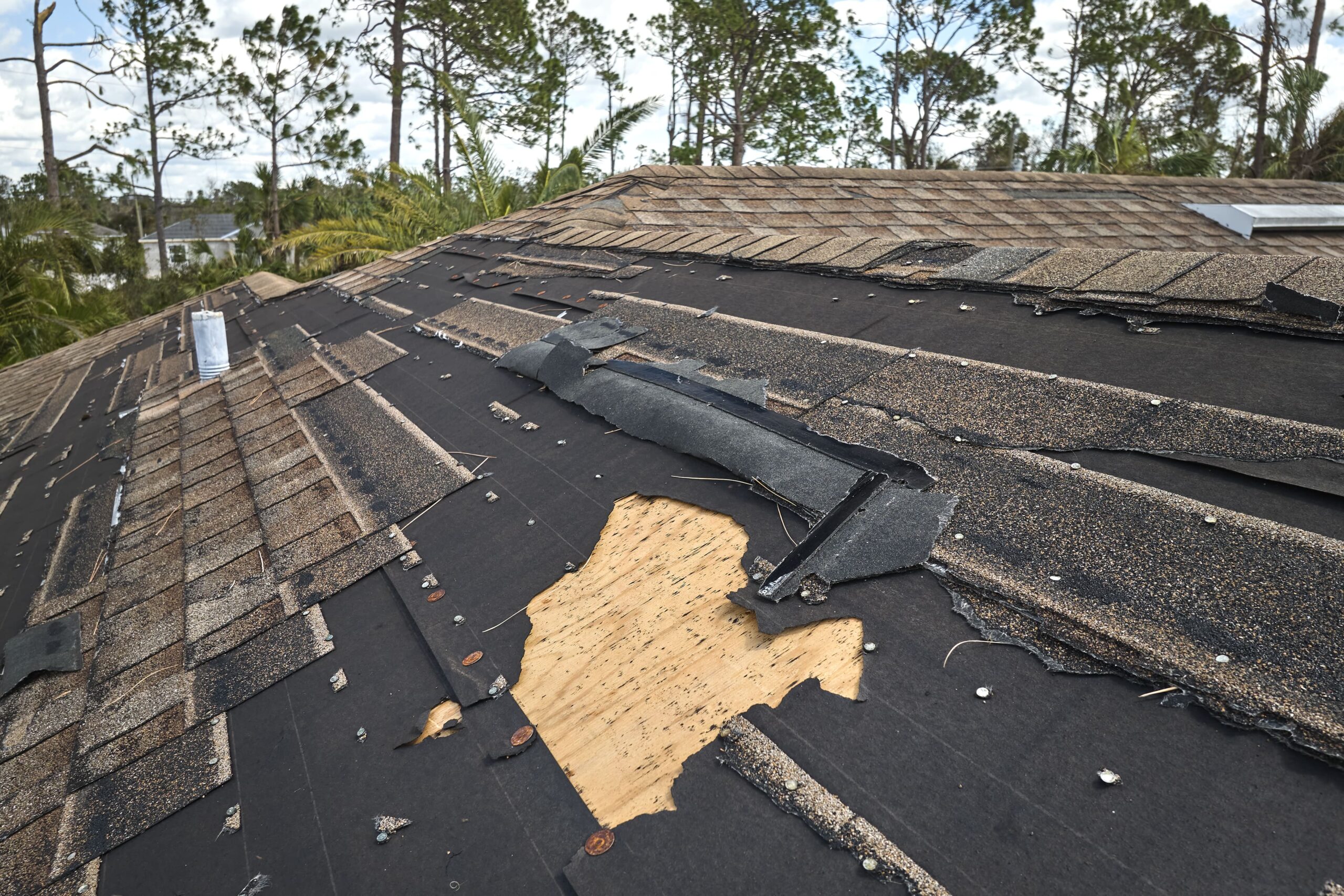
Understanding Roofing Insurance Coverage
Before you can file a roofing insurance claim, it’s crucial to understand your coverage. Different policies have varying terms and conditions that can affect how much you’ll receive. Here’s what you need to know:
RCV vs. ACV Policies
The type of policy you have will influence your claim payout. Most policies are either Replacement Cost Value (RCV) or Actual Cash Value (ACV).
- RCV: This policy pays for the full replacement of your roof without accounting for depreciation.
- ACV: This policy subtracts depreciation from the total cost, meaning you’ll receive less than the actual replacement cost.
For example, if your roof is worth $10,000 and you have an ACV policy, your insurer might only offer $8,000, taking depreciation into account. With an RCV policy, you’d receive the full $10,000 to cover the replacement.
Deductibles and Policy Limits
Most homeowners’ insurance policies come with a deductible, which is the amount you’ll need to pay out of pocket before your insurance kicks in. This could be a fixed amount (like $1,000) or a percentage of your home’s value. For example, if your deductible is $1,000 and your roof repair costs $15,000, you’ll pay the first $1,000, and your insurance will cover the rest.
Many policies also have payout limits, which are the maximum amount your insurer will pay for a claim. It’s important to know these limits up front so you’re not caught off guard when it’s time to settle the claim.
Exclusions and Special Clauses
Insurance policies can also have exclusions. For example, damage from wear and tear or poor maintenance usually isn’t covered. If your roof’s damage is due to neglect or its age, your claim could be denied.
Some policies also have ordinance and law coverage, which can help if you need to make upgrades to meet local building codes during repairs. Be sure to read through your policy so you know what’s covered and what’s not, and avoid any surprises down the road.
Steps to Take Immediately After Storm Damage
It’s vital to act quickly after a storm to minimize further damage and ensure your insurance claim is processed smoothly. Here are the immediate steps you should take:
Ensure Safety First
No matter what, your safety comes first. Check your property for hazards and avoid areas that may be unsafe, such as unstable roofs or fallen debris. If possible, cover any exposed areas of your roof with a tarp to prevent water damage.
Document Everything
Take detailed photos and videos of the storm damage, including close-ups and wide shots that show the extent of the destruction. Be sure to timestamp all your images to provide clear evidence of when the damage occurred.
Keep receipts for any temporary repairs you make, such as tarp rentals or emergency services, as they can be reimbursed later.
Get a Professional Roof Inspection
Schedule a roof inspection with a certified contractor as soon as possible. Having a professional review the damage and provide an estimate can help back up your claim. If needed, you can also enlist a public adjuster to assess the damage independently. A professional’s assessment provides strong support when negotiating with your insurance company.
Filing a Homeowners Insurance Claim for Roof Damage
Once the damage is documented and your roof is inspected, it’s time to file your claim. Here’s what to do next:
Check Your Policy Before Filing
Review your insurance policy to understand your coverage, including deductibles, limits, and exclusions. Make sure you’re aware of any deadlines for filing your claim. Many policies require you to file within a specific time frame after the damage occurs, so don’t delay.
Contact Your Insurance Company Promptly
Once you’ve contacted your insurance company, they will likely send an adjuster to assess the damage. This is your chance to show the full extent of the problem. Be prepared with photos, video evidence, and the inspection report from your contractor.
If you haven’t yet arranged for an inspection, contact a local roofing company like Premier Roofing to get an accurate quote for the roof damage.
Schedule the Adjuster Visit
Your insurance company will likely send an adjuster to inspect the damage. This is your chance to show the full extent of the problem. Be prepared with photos, video evidence, and the inspection report from your contractor. Residential roofing contractors can also provide additional details to ensure the adjuster understands the full scope of repairs needed.
Working with Insurance Adjusters
Insurance adjusters play a big role in determining how much you’ll receive for your claim. Understanding how they work and knowing how to advocate for yourself can make the process go a lot smoother.
Understanding Their Authority
Adjusters are responsible for evaluating the damage and determining the amount the insurance company should pay. But remember, they don’t make the final call on the payout. They’ll often consult with contractors and review estimates to determine the amount.
How to Advocate for Your Claim
When the adjuster comes to inspect your roof, be sure to be there! Take notes, ask questions, and don’t be afraid to bring up anything you think might have been missed or underestimated. If something doesn’t seem right, ask for it in writing. This way, you’ll have documentation in case you need to challenge the claim later.
Dealing with Mistakes or Disputes
If you disagree with the adjuster’s findings or think they’ve missed something, it’s okay to ask for a second opinion. You might even want to consider hiring an engineer or legal expert for a more thorough review. Don’t hesitate to stand your ground if you feel the settlement is too low.
Avoiding Common Roofing Claim Pitfalls
Unfortunately, some homeowners fall victim to dishonest contractors or unfair settlement offers. Here’s how to protect yourself:
Beware of Storm Chasers and Door Knockers
After a storm, you may encounter contractors going door-to-door, offering quick repairs. These are often storm chasers, out-of-town contractors who target areas after storms, offering discounted services. While their offers may seem appealing, they may not have your best interests at heart.
They might pressure you into signing contracts quickly or provide low estimates, but leave you with lackluster work. Always choose a local, trusted roofing contractor with a solid reputation and a history of reliable service.
Recognizing Lowball Settlements
If your insurance settlement seems too low to cover all repairs, it might be time to negotiate. Get multiple estimates from qualified contractors and present them to your insurance company. If your claim is still undervalued, consider involving a public adjuster to help you fight for a fair payout.
Maximizing Your Insurance Payout
If your claim is approved but your settlement ends up not being enough to fully restore your roof, here’s what to do:
Supplementing Your Claim
It’s not uncommon for certain expenses, like labor costs or disposal fees, to be left off the initial payout. Submit a supplemental claim with any missing line items to ensure your payout covers everything needed for a full roof replacement.
Leveraging Local Building Codes
If your area has specific building codes that require roof upgrades, such as impact-resistant materials or higher wind ratings, make sure your insurance company covers these costs. Code requirements can increase the total repair bill, and your insurer may need to account for these upgrades.
Negotiation Tactics
When negotiating your settlement, be prepared with documentation that supports your claims, such as contractor estimates and evidence of additional repair needs. Hail damage claims often require specific attention to ensure full compensation for damage.
What to Do if Your Claim is Denied
Sometimes, insurance companies deny claims or offer insufficient payouts. Here’s how to proceed if that happens:
Common Reasons for Denials
Claims are often denied due to reasons like wear and tear or insufficient evidence. If your roof’s damage is the result of long-term neglect, your claim may be rejected.
How to Dispute a Denial
If your claim is denied, ask for a reinspection and present additional documentation to support your case. If you still disagree with the outcome, a public adjuster or attorney may be able to assist you in appealing the decision.
Legal Options and Costs
In some cases, pursuing litigation may be necessary, but it comes with costs. Weigh the potential outcomes before deciding whether legal action is the best course of action.
Long-Term Strategies to Protect Your Roof and Policy
Taking a few proactive steps can help you safeguard your home from future storm damage and avoid unnecessary hassle. Here’s how:
Preventive Maintenance
Regular check-ups are key! Schedule seasonal inspections to catch small issues before they turn into big ones. Keeping up with maintenance not only helps your roof last longer but also reduces the chances of needing to file a claim down the road.
Policy Review and Upgrade
Before the storm season hits, take a moment to review your insurance policy. Make sure it covers risks like wind, hail, or snow damage in your area. If your coverage feels outdated, consider an upgrade to better protect your home.
Building a Relationship with a Trusted Contractor
Having a go-to roofer can save you a lot of stress when the unexpected happens. By building a relationship with a trusted local contractor, you’ll always have someone reliable to turn to for future repairs and claims.
Final Checklist for Filing Roofing Insurance Claims for Storm Damage
Now that you’ve learned the essential steps to filing your roofing insurance claim, here’s a quick checklist to ensure you don’t miss anything crucial during the process. Follow these steps to keep yourself organized and get your roof repaired without any unnecessary delays.
- Check your policy for coverage details and exclusions
- Document all damage with photos and videos
- Contact your insurance provider promptly
- Schedule an adjuster visit and be prepared with estimates
- Work with certified contractors for repairs
By taking these steps, you’ll not only simplify the claims process but also get your roof repaired swiftly without the stress or delays that can often come with insurance claims.


13 Best Roofing Companies in Charlotte, NC in 2026 | Premier-Roofing.com
A lot of homeowners in Wichita end up replacing their roof sooner than expected, not because it was necessary, but because the damage wasn’t properly assessed early on. It happens more often than people think. If you’re searching ...

15 Best Roofing Companies in Raleigh, NC in 2026 | Premier-Roofing.com
A lot of homeowners in Wichita end up replacing their roof sooner than expected, not because it was necessary, but because the damage wasn’t properly assessed early on. It happens more often than people think. If you’re searching ...

15 Best Roofing Companies in Dallas, TX in 2026 | Premier-Roofing.com
A lot of homeowners in Wichita end up replacing their roof sooner than expected, not because it was necessary, but because the damage wasn’t properly assessed early on. It happens more often than people think. If you’re searching ...

15 Best Roofing Companies in Des Moines, IA in 2026 | Premier-Roofing.com
A lot of homeowners in Wichita end up replacing their roof sooner than expected, not because it was necessary, but because the damage wasn’t properly assessed early on. It happens more often than people think. If you’re searching ...



 COMPANY
 CUSTOMERS
 RESOURCES