

How Long Do Asphalt Shingles Last?
Factors That Affect Asphalt Shingles Lifespan
10/18/2026
If you're researching how long asphalt shingles last, the honest answer is: it depends. While manufacturers commonly advertise lifespans between 15 and 30 years, the real asphalt shingle's lifespan is determined by installation precision, ventilation performance, climate exposure, and ongoing maintenance.
An asphalt shingle roof is a complete protective system, not just surface materials. Over time, ventilation imbalance, storm exposure, and aging seals reduce performance and durability. In many climates, including hail-prone and high-elevation regions, roofing systems experience stress that shortens lifespan well before manufacturer maximums.
Understanding what affects asphalt shingles lifespan helps homeowners make informed decisions about when to repair, when to replace, and how to protect long-term roof performance.
TL;DR: How Long Do Asphalt Shingles Last?
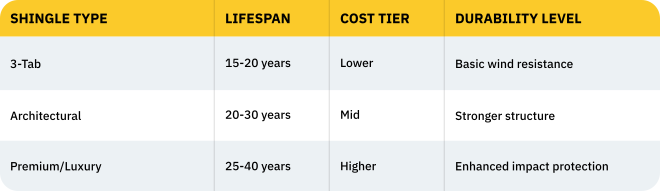
Most asphalt shingle roofs last between 15 and 30 years. Standard 3-tab shingles typically last 15-20 years, while architectural shingles often perform well for 20-30 years under proper conditions.
However, the lifespan of asphalt shingle roof systems depends less on product labels and more on installation quality, ventilation balance, and climate exposure. Hail, wind, freeze-thaw cycles, and improper flashing can significantly reduce durability.
If your roof is between 15 and 20 years old, a professional inspection can help determine whether repair or replacement is the most cost-effective next step. Proper evaluation prevents unexpected failures and protects long-term structural integrity.
Table of Contents
- What Is the Realistic Lifespan of Asphalt Shingles?
- Maintenance and Long-Term Performance
- Roof Pitch and Insurance Considerations
- Request a Roof Evaluation
- What Affects the Lifespan of an Asphalt Shingle Roof?
- Climate & Storm Impact: The Real Durability Factor
- How Often Should a Shingle Roof Be Replaced
- Signs That Your Asphalt Shingle Roof Needs Replacement
- Warranty vs Real-World Roof Performance
- Not Sure How Much Life Your Roof Has Left?
- Frequently Asked Questions
What Is the Realistic Lifespan of Asphalt Shingles?
The average asphalt shingle roof lifespan ranges from 15 to 30 years, depending on material type and installation quality. Different types of shingles offer varying durability levels and performance characteristics. Learn more about shingle types here:
Roof pitch determines how quickly water flows off your roof and how forces move through the structure. A low slope drains more slowly, which increases how long moisture sits on the surface and around seams which raises exposure risk over time. A higher slope sheds water faster, reducing standing moisture and helping the roof dry more efficiently after storms.
Pitch also influences weight distribution, wind uplift forces, flashing complexity, and attic volume. Steeper pitch typically creates a larger attic cavity, which can improve ventilation potential but only if intake and exhaust airflow are properly designed for the roof geometry. Learn more about pitched roof installation below.
Maintenance and Long-Term Performance
Pitched roofs affect maintenance in several ways. A steep roof is like a slide for rain and snow. Water runs off quickly, which helps reduce pooling and long-term moisture damage. The downside is access. Steeper roofs are harder and less safe to walk on, which can make inspections and repairs more complicated.
On the other hand, lower slope roofs are easier to access. Contractors can move around more safely during inspections. However, these roofs tend to collect leaves, branches, and debris more easily. When debris sits too long, it traps moisture. Over time, that extra moisture can wear down shingles, flashing, and other vulnerable areas.
Roof pitch also affects how often you should inspect the roof, clean gutters, and check flashing around vents, chimneys, and valleys.
In the end, long-term performance depends less on the pitch itself and more on whether the roofing system was properly designed and installed for that specific slope.
Roof Pitch and Insurance Considerations
Insurance companies may evaluate roof slope in relation to drainage efficiency, storm exposure, and snow load risk. Very low slopes can be classified differently depending on policy language and may require different material systems to remain insurable. While pitch doesn’t automatically improve or reduce coverage, it can influence how an insurer evaluates the roof’s risk profile - especially in hail, wind, and heavy snow regions.
Request a Roof Evaluation
The average asphalt shingle roof lifespan ranges from 15 to 30 years, depending on material type and installation quality. Different types of shingles offer varying durability levels and performance characteristics. Learn more about shingle types here:
Manufacturer ratings assume ideal installation, proper ventilation, and minimal storm exposure. In real-world conditions, improper airflow, flashing failures, and weather stress often shorten lifespan.
If your roof is aging or showing signs of wear, reviewing replacement warning signs can help guide your decision.
What Affects the Lifespan of an Asphalt Shingle Roof?
Installation Quality
Installation precision determines the functional service life of asphalt shingles. Even high-quality materials can fail prematurely if installed incorrectly. Improper nail placement weakens wind resistance and allows shingles to loosen or detach during storms.
Reusing old flashing or underlayment is another common mistake. These components often deteriorate faster than shingles themselves, creating leak points that shorten system lifespan. Professional installation ensures each component performs as designed and protects long-term durability.
Our professionals at Premier Roofing can guarantee an expert installation job without hiccups. However, this isn’t the case everywhere. You need to be picky about who’s installing your asphalt shingles, as a faulty or low-quality installation is the quickest way to allow damage in.
Attic Ventilation
When shingles are incorrectly installed, an attic cannot receive proper ventilation. However, one can happen without the other. Your roof stands to receive overwhelming heat when an attic isn’t properly ventilated, as trapped air has nowhere to go. Excessive heat and moisture can cause shingles to curl and break.
Ventilation plays a critical role in asphalt shingle roof lifespan. Without proper airflow, attic temperatures can exceed 150°F during summer. This excessive heat causes shingles to dry out, curl, and lose protective granules prematurely.
Balanced intake and exhaust ventilation regulates temperature and prevents moisture buildup. Proper ventilation can extend roof lifespan by 5-10 years by reducing thermal stress and preventing structural deterioration.
Material Selection
Not all shingles perform equally in all environments. Thicker architectural and impact-resistant shingles offer superior durability and a longer lifespan of an asphalt shingle roof compared to basic 3-tab products.Thicker materials handle thermal expansion and contraction much better.
In hail-prone regions like Denver, Class 4 (impact-resistant) shingles provide additional protection against physical damage and are designed to withstand physical trauma that would fracture standard materials. Learn more about hail impact and roofing durability here.
Choosing climate-appropriate materials helps preserve lifespan and improve long-term performance.
With us, there’s no need to worry about quality. All roofing materials used come from leading manufacturers. So, it comes down to the type of shingles you choose. Low-durability shingles installed in areas with unpredictable weather will surely crumble on impact. Meanwhile, durable, high-quality shingles will shine for years in any climate.
Maintenance & Inspection
Routine inspections help identify small issues before they shorten roof lifespan. Minor problems, such as damaged flashing or lifted shingles, can allow moisture intrusion that spreads beneath the surface. Moisture infiltration spreads laterally. A $200 repair for a cracked pipe boot today prevents a $2,000 decking replacement in three years.
Early repairs prevent structural damage and extend system performance. If a roof is nearing the end of its cycle, homeowners must decide between a targeted repair or full roof replacement to maintain home value. Scheduling regular inspections helps homeowners monitor aging and plan replacement proactively. Get a free inspection today.
Climate & Storm Impact: The Real Durability Factor
Manufacturer estimates do not account for repeated storm exposure. Weather exposure is one of the most significant factors affecting asphalt shingles lifespan. Hail impact dislodges protective granules, reducing weather resistance. Wind weakens adhesive seals, increasing vulnerability to future storms. Freeze-thaw cycles cause repeated expansion and contraction, weakening materials over time. Heavy rain exposes flashing and seal vulnerabilities.
Repeated storm exposure accelerates material fatigue and reduces functional lifespan affecting how often shingles will need to be replaced. Understanding storm damage patterns helps homeowners evaluate replacement timing. If your home recently experienced severe weather, understanding hail damage patterns is critical. Storm-driven deterioration may also affect insurance eligibility, but only when linked to documented events.
How Often Should a Shingle Roof Be Replaced
Replacement timing depends on roof age, condition, and performance. Use this general reassessment timeline for an asphalt shingle roof lifespan:
- Years 0-10: Minimal concern unless storm damage occurs.
- Years 12-15: Inspect every 2-3 years.
- Years 15-20: Begin lifecycle reassessment window.
- Years 20+: Annual inspection recommended.
Repeated repairs often signal structural aging. The lower upfront cost may become more expensive long-term. Planning replacement before major failure prevents costly damage and protects home value.
Cost-per-year example:
- $11,000 roof lasting 25 years = $440/year
- $8,500 roof lasting 12 years = $708/year
Signs That Your Asphalt Shingle Roof Needs Replacement
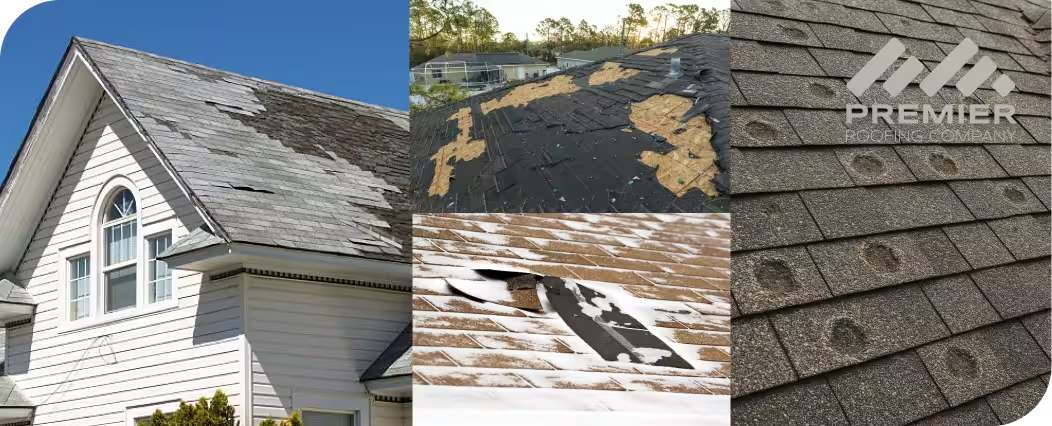
Roof damage is pretty easy to spot if you know what to look for. Look for physical evidence first, like ripped-off shingles or stains. This could signal a larger underlying issue that requires a professional inspection. Visible wear often indicates declining performance.
Common warning signs include:
- Curling, cracked, or missing shingles
- Granule buildup in gutters
- Water stains or attic leaks
- Roof age exceeding expected lifespan, 15-20 years for 3-tab shingles or 20+ years for dimensional/luxury shingles
These indicators suggest declining system integrity. Schedule a professional evaluation to determine next steps.
Warranty vs Real-World Roof Performance
Material Warranty
This warranty comes from the manufacturer (e.g., GAF, Owens Corning, IKO). It protects you if the shingles themselves fail due to poor manufacturing. Material warranties protect against manufacturing defects, but most are prorated meaning the value of the overage decreases every year. After 10-15 years, the payout may only cover a small fraction of the replacement cost.
Improper ventilation or installation often voids warranty protection entirely. Most material warranties are voided if the attic is not properly ventilated. If the roof "cooks" because of poor airflow, the manufacturer will likely deny the claim.
Workmanship Warranty
A workmanship warranty protects against installation errors which are the most common reason asphalt roof shingles fail prematurely. While manufacturer warranties cover defects in the shingles themselves, they do not cover mistakes made during installation. Improper flashing placement, incorrect nailing patterns, or poor ventilation setup can significantly reduce the asphalt roof shingles lifespan, even when premium materials are used.
This warranty specifically covers the labor and installation methods used to install your roofing system. For example, if flashing was improperly sealed around chimneys or nails were placed outside the manufacturer’s required strike zone, a workmanship warranty ensures those issues can be corrected without additional cost to the homeowner.
However, the value of a workmanship warranty depends entirely on the contractor behind it. A 25-year workmanship warranty from a company that has only operated for a few years may not provide reliable long-term protection. The warranty is only as strong as the company’s stability, experience, and long-term presence in the community.
Many contractors offer only 1-2 year labor warranties, which provide limited protection. In contrast, Premier Roofing’s Certified Lifetime Workmanship Warranty reflects confidence in installation quality and provides lasting accountability. Established contractors with proven track records offer far greater protection than temporary contractors or “storm chasers” who may not remain in business long enough to honor warranty commitments.
Not Sure How Much Life Your Roof Has Left?
If your roof is approaching 15 years of age, showing visible wear, or has recently been exposed to hail or severe weather, a professional inspection can help determine its true condition. Many homeowners assume replacement is necessary based on age alone, but asphalt shingles lifespan varies significantly depending on installation quality, ventilation, and storm exposure. A professional evaluation helps you avoid both premature replacement and unexpected failure.
Premier Roofing provides detailed, documented roof inspections designed to assess the full roofing system, not just the surface shingles. During an inspection, our team evaluates:
- Shingle condition, including granule loss, cracking, and seal integrity
- Ventilation balance to ensure proper airflow and temperature regulation
- Flashing integrity around chimneys, vents, and roof transitions
- Storm-related damage such as hail impact or wind displacement
- The remaining functional lifespan of the asphalt shingle roof system
This comprehensive assessment allows homeowners to make informed decisions about repair, maintenance, or replacement based on actual performance, not guesswork.
Frequently Asked Questions
BLOG
Premier Roofing & The Press

13 Best Roofing Companies in Charlotte, NC in 2026 | Premier-Roofing.com
A lot of homeowners in Wichita end up replacing their roof sooner than expected, not because it was necessary, but because the damage wasn’t properly assessed early on. It happens more often than people think. If you’re searching ...
15 Best Roofing Companies in Raleigh, NC in 2026 | Premier-Roofing.com
A lot of homeowners in Wichita end up replacing their roof sooner than expected, not because it was necessary, but because the damage wasn’t properly assessed early on. It happens more often than people think. If you’re searching ...

15 Best Roofing Companies in Dallas, TX in 2026 | Premier-Roofing.com
A lot of homeowners in Wichita end up replacing their roof sooner than expected, not because it was necessary, but because the damage wasn’t properly assessed early on. It happens more often than people think. If you’re searching ...



 COMPANY
 CUSTOMERS
 RESOURCES