


When a storm damages your roof, the stress usually starts long before repairs begin. The real challenge is figuring out how to negotiate roof replacement with insurance without feeling overwhelmed or unprepared. Many homeowners assume approval is automatic, but the roof insurance claim process is more technical than it appears.
Insurance decisions are not based on emotion or urgency. They rely on documentation, policy language, and specific claim approval factors. If the damage is not clearly presented or properly categorized, payouts can be delayed or reduced.
In this guide, we will walk through the key steps that strengthen your position and help you move through the roof insurance claim process with clarity and confidence. If your roof may have storm damage, the first step is a professional roof inspection to document the issue before filing a claim.
TL;DR: How to Get Insurance to Pay for Roof Replacement
If you want to understand how to negotiate roof replacement with insurance, focus on structure, not emotion. The roof insurance claim process works best when you follow a clear plan and support every step with documentation. Claim approval factors come down to coverage type, verified damage, and accurate scope alignment.
- Confirm whether your policy pays Actual Cash Value or Replacement Cost Value so you understand what to expect financially.
- Get a professional roof inspection before filing. Strong documentation with photos and measurements strengthens your position from the start.
- Have your roofer present during the adjuster visit to ensure nothing is overlooked.
- Submit supplements when needed for code upgrades or hidden damage so the project is completed properly and fully funded.
Table of Contents
- Understand Your Policy: Coverage & Exclusions
- Documentation & Inspection
- How Adjusters Evaluate Claims
- Supplements & Code Compliance
- What If the Claim Is Denied?
- Common Mistakes That Get Roof Claims Denied
- Clarity Over Negotiation: Making Informed Insurance Decisions
- Common Insurance Roof Replacement Questions
Understand Your Policy: Coverage & Exclusions
Before you move forward in the roof insurance claim process, take time to review your policy. Understanding policy coverage is not optional. Insurance is a contract, and every decision the carrier makes is based on the wording inside that document.
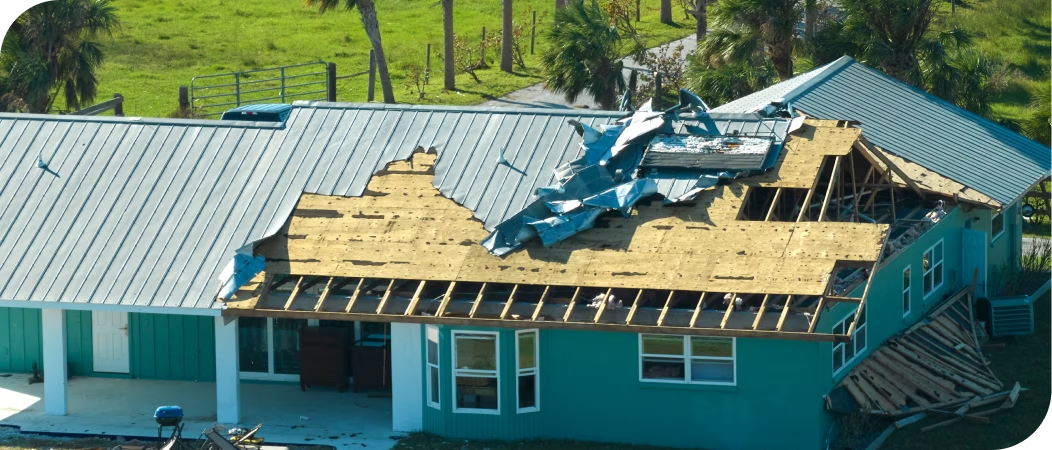
Start by confirming that your situation qualifies as a covered event. Most policies protect against sudden and accidental damage such as wind tearing off shingles, hail causing measurable impact marks, lightning strikes, or structural damage from heavy snow. These events are typically considered covered perils because they happen unexpectedly.
On the other hand, policies usually exclude preventable issues. Normal wear and tear, aging materials, deferred maintenance, improper installation, and gradual deterioration like rot or mold are rarely covered. If your roof is simply old or poorly maintained, approval becomes unlikely. Clear understanding policy coverage upfront prevents wasted time, denied claims, and unnecessary frustration later in the process.
Documentation & Inspection
A successful roofing insurance claim is built on evidence. The clearer your documentation, the smoother the roof insurance claim process becomes. Insurance carriers rely on proof, not assumptions, so strong records reduce delays and strengthen your position from the start.
That means capturing more than a few wide photos from the ground. Close-up images of hail impact, lifted shingles, cracked tabs, or damaged flashing matter. Measurements showing which roof slopes were affected help define scope. Notes about compromised underlayment or soft decking discovered during inspection add critical context. Interior signs like water stains or attic leaks can further connect the damage to a specific storm event.
The safest way to gather this information is through a professional inspection. A professional team like Premier Roofing can identify subtle storm damage that is easy to miss. This detailed evaluation not only supports your roofing insurance claim, it also clarifies whether the issue is storm-related or simply age-related wear.
How Adjusters Evaluate Claims
Once your claim is filed, the insurance company assigns an adjuster to inspect your property. If you want to understand how to get a roof claim approved, it helps to know exactly what they are looking for. Their role is to verify damage and compare it directly to your policy language.
During the inspection, the adjuster will typically:
- Confirm the cause of loss by verifying the damage resulted from a covered event such as hail, wind, or fire.
- Evaluate damage severity by measuring affected areas to determine whether repair or full replacement is warranted.
- Compare findings to your policy to ensure the damage fits the definitions and limitations outlined in your coverage.
- Prepare a Scope of Loss detailing the approved materials and labor required for the project.
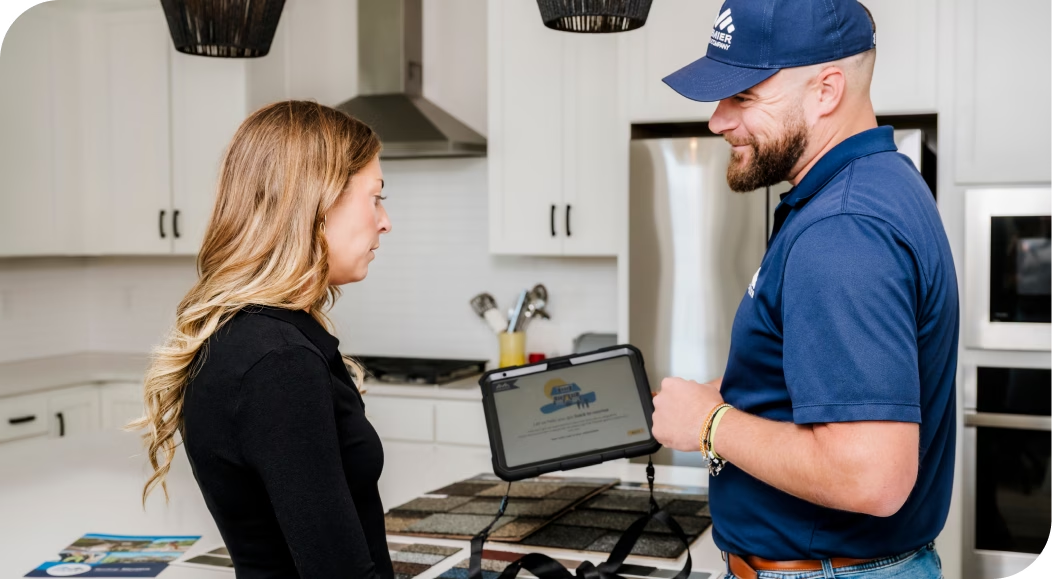
Approval depends on documentation aligning precisely with policy terms. To ensure your damage is accurately represented, Premier Roofing can meet with your adjuster right on site. This partnership gives you peace of mind that all necessary details are captured accurately before the official report is finalized.
Effective Negotiation Strategies
If the initial payout feels lower than expected, do not assume the decision is final. The roofing insurance claim process allows for clarification, supplements, and even reinspections when supported by documentation. Strong communication and detailed evidence are what move a claim forward.
If you need to strengthen your roofing insurance claim, focus on these steps:
- Submit a contractor supplement request that outlines missing materials, labor costs, or required items the adjuster may have overlooked.
- Provide updated photo documentation if additional damage is discovered, especially after tear-off begins.
- Reference current building codes when upgrades are legally required, such as ventilation improvements or updated underlayment standards.
- Request a joint reinspection if disagreements remain, allowing both the adjuster and contractor to review the damage together.
Supplements & Code Compliance
Even the most detailed inspection cannot reveal everything. Once the old roofing materials are removed, hidden damage is sometimes uncovered. Wood decking may be rotted from long-term moisture exposure. Ventilation systems may fall short of current building standards. Underlayment layers may not meet modern code requirements. These issues are not cosmetic. They directly affect the safety, durability, and warranty of your new roof.
When this happens, a supplement becomes necessary. A supplement is a formal request submitted to the insurance carrier documenting concealed damage or code-required upgrades discovered during construction. It ensures the roof is rebuilt properly and in compliance with current regulations.
Handling supplements correctly is a critical part of the roof insurance claim process. With accurate documentation and code references, you can secure the funds needed to complete the project without absorbing unexpected structural costs out of pocket.
What If the Claim Is Denied?
A denial does not always mean the conversation is over. Roof insurance claims are often rejected because documentation was unclear, photos lacked detail, or the insurer classified the damage as wear and tear instead of storm-related. If that happens, you still have options.
Start by requesting the written denial explanation. This document outlines exactly why the claim was rejected and shows you where the disagreement lies. It may reference insufficient evidence, policy exclusions, or questions about the cause of loss.
Next, strengthen your file. A detailed professional report with clear measurements, close-up damage photos, and weather verification tied to a specific storm date can significantly improve your position.
Once new documentation is prepared, you can formally submit it and request a reinspection. Be mindful of your policy’s appeal deadlines. Acting within the required timeframe protects your right to reconsideration and keeps the process moving forward.
Common Mistakes That Get Roof Claims Denied
The roofing insurance claim process can break down quickly when avoidable mistakes happen early. Many denials and reduced payouts are tied to simple missteps that weaken documentation or timing.
Avoid these common errors:
- Waiting too long to file: Most policies require storm damage to be reported within a set timeframe. Delays allow the insurer to argue the damage was pre-existing or worsened due to neglect.
- Filing without professional documentation: A roofing insurance claim must clearly link damage to a covered event like hail or wind. Without a detailed inspection report, photos, and measurements, approval becomes unlikely.
- Meeting the adjuster alone: Without a roofing professional present, subtle but important damage can be overlooked during inspection.
- Accepting the first estimate without review: Initial scopes sometimes miss code upgrades, labor differences, or necessary line items. A detailed comparison often uncovers gaps.
Clarity Over Negotiation: Making Informed Insurance Decisions
When you learn how to negotiate roof replacement with insurance, the biggest advantage is clear information. You don’t need to fight the insurance company. You need to understand how the roof insurance claim process works and what influences claim approval.
Start with your policy. Know whether it pays Actual Cash Value or Replacement Cost Value. This tells you what the insurer will pay and what you might owe yourself. Review what is included in the insurer’s scope of work so essential repairs like decking replacement, proper ventilation, and flashing are not missed. Knowing deadlines and documentation requirements keeps you ahead of slowdowns and surprises.
Understanding your roof itself also matters. A professional inspection finds hidden storm damage and aging issues you might miss. When you know your roof’s condition and the policy language, you can support your claim with facts instead of guesswork.
For more detail on every step, check this roof insurance claim process guide.

Common Insurance Roof Replacement Questions

BLOG
Premier Roofing & The Press

13 Best Roofing Companies in Charlotte, NC in 2026 | Premier-Roofing.com
A lot of homeowners in Wichita end up replacing their roof sooner than expected, not because it was necessary, but because the damage wasn’t properly assessed early on. It happens more often than people think. If you’re searching ...

15 Best Roofing Companies in Raleigh, NC in 2026 | Premier-Roofing.com
A lot of homeowners in Wichita end up replacing their roof sooner than expected, not because it was necessary, but because the damage wasn’t properly assessed early on. It happens more often than people think. If you’re searching ...

15 Best Roofing Companies in Dallas, TX in 2026 | Premier-Roofing.com
A lot of homeowners in Wichita end up replacing their roof sooner than expected, not because it was necessary, but because the damage wasn’t properly assessed early on. It happens more often than people think. If you’re searching ...



 COMPANY
 CUSTOMERS
 RESOURCES