

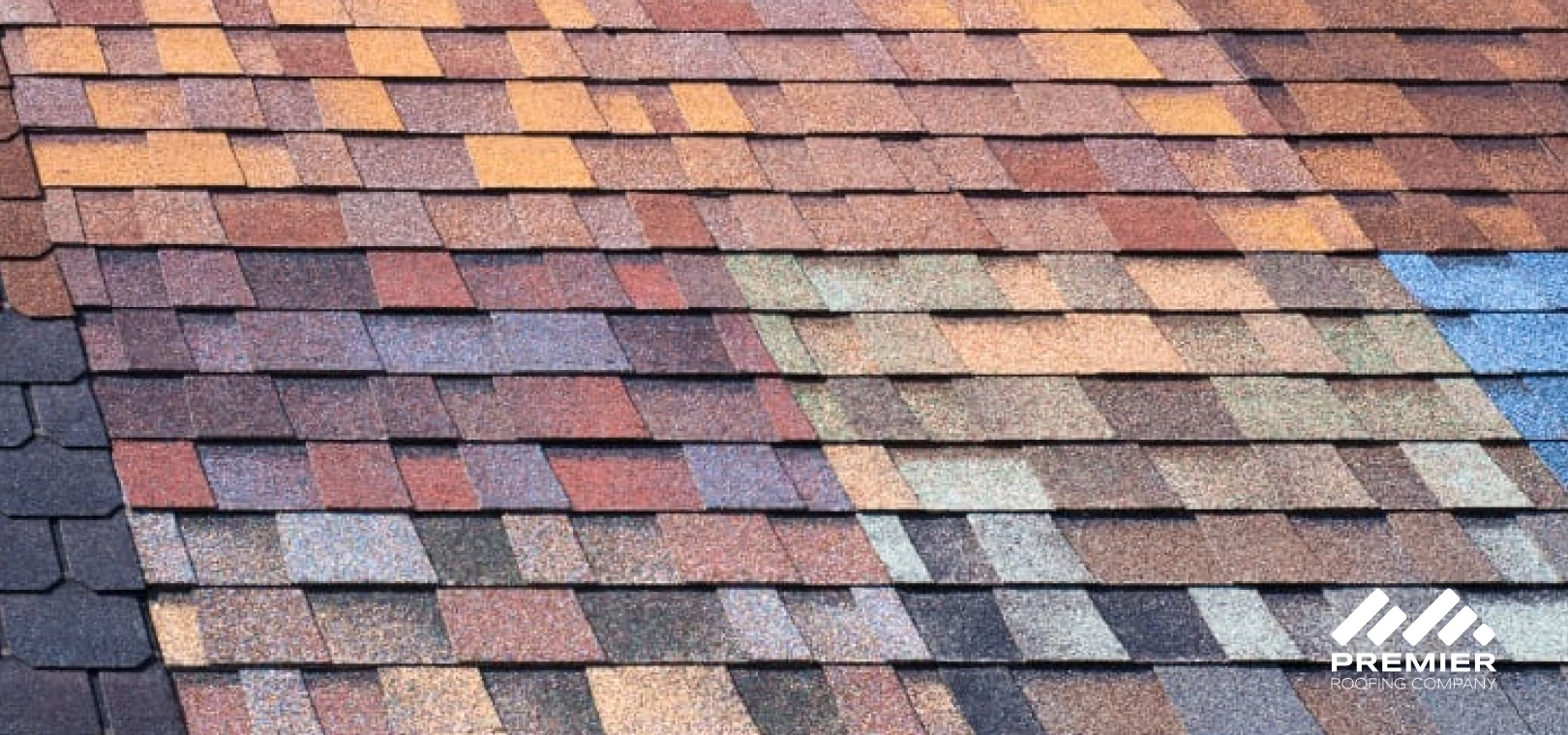
Choosing the right asphalt shingle colors is more than a design decision. Roof color influences how a roofing system interacts with heat, how it ages over time, and how the home’s exterior appears from the street. Because the roof can represent a large portion of a home’s visible surface area, color plays a major role in both performance and curb appeal.
When homeowners ask what colors asphalt shingles come in, the conversation should go beyond appearance alone. Asphalt roof shingles colors affect solar heat absorption, granule performance, and how the roofing system visually integrates with siding, trim, brick, and landscaping.
Climate also plays an important role. In regions like Colorado Springs, roof color interacts with intense sunlight, seasonal freeze-thaw cycles, and occasional hail events. These environmental factors influence how asphalt roofing colors perform and how visible aging becomes over time.
This guide explains how asphalt shingle colors connect to heat behavior, climate performance, exterior design balance, and long-term aging patterns. If you’re planning to update your roof or compare asphalt shingle colors for your home, a professional roof inspection can help confirm the condition of your current system before making design decisions.
TL;DR: How Should You Choose Asphalt Shingle Colors?
Asphalt shingle colors influence more than just appearance. While curb appeal is important, roof color also interacts with heat absorption, ventilation design, and the long-term behavior of roofing materials.
Lighter asphalt roof shingles colors reflect more sunlight and may help reduce attic heat in warmer climates. This can slightly lower cooling demand during the summer months, particularly when combined with proper insulation and ventilation.
Darker asphalt roofing colors absorb more solar heat and may be visually preferred in cooler regions where heat retention is less of a concern. Many homeowners also choose darker tones for their depth of color and compatibility with traditional architectural styles.
However, color alone does not determine roof performance. Ventilation design, attic insulation, and the quality of the roofing materials all play significant roles in temperature control and durability. There is no single “best” option among colors of asphalt roof shingles. The right choice depends on balancing climate conditions, architectural style, and long-term maintenance visibility. For most homes, selecting a neutral or regionally appropriate asphalt roof color provides the best combination of performance, appearance, and long-term resale appeal.
Table of Contents
Why Asphalt Shingle Color Matters
Curb Appeal and First Impressions
The roof is one of the most visually dominant elements of a home’s exterior. In many cases, it represents up to 40 percent of the visible façade. Because of this, asphalt shingle roof colors play a major role in shaping a home’s overall appearance.
Different colors of asphalt shingles can dramatically change how a house is perceived from the street. Two identical homes with different asphalt roof shingles colors may feel completely different in style and character.
Neutral tones often create a balanced, timeless appearance, while more expressive colors can add architectural personality. However, the goal should always be exterior cohesion rather than following short-term design trends.
When selecting asphalt shingle colors, homeowners should consider how the roof interacts with siding, trim, stone, brick, and landscaping. A well-balanced roof color visually anchors the entire exterior.
For a deeper look at roofing materials and styles, homeowners can explore the full breakdown of types of asphalt roofing shingles here.
Energy and Comfort Impact
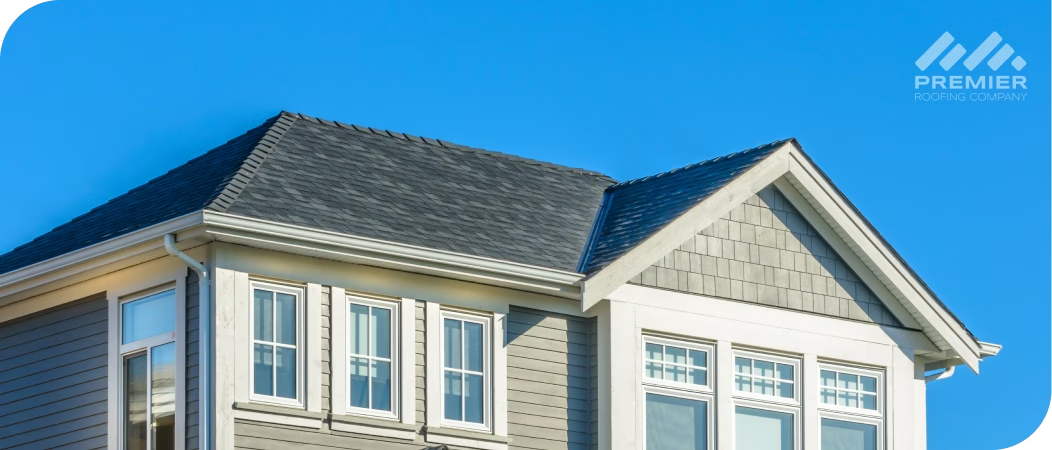
The color of a roof affects how much solar radiation is absorbed or reflected at the surface. Because of this, asphalt roofing colors can influence the temperature of the roof structure during sunny conditions. Lighter asphalt roof colors reflect more sunlight, which can reduce heat accumulation on the roof surface. Darker asphalt roof shingles colors absorb more solar energy and may cause the roof surface to warm more quickly.
However, roof color alone does not determine indoor comfort. Heat first affects the attic space before influencing interior living areas. Proper insulation and ventilation are critical in controlling how surface heat moves through the roofing system. When ventilation and insulation are designed correctly, the performance differences between various colors of asphalt roof shingles become less significant.
Long Term Satisfaction and Resale
When selecting asphalt shingle colors, homeowners should consider how the roof will look not only today but also many years into the future.
Neutral colors of asphalt roof shingles, such as charcoal, gray, or weathered wood tones, tend to appeal to a wider range of buyers. These colors complement many siding styles and architectural designs, which can be beneficial for resale value.
More distinctive asphalt roof color options, such as bright reds or bold greens, may work beautifully on certain homes but can limit flexibility if future buyers prefer a more traditional appearance.
A balanced asphalt roof color helps maintain long-term satisfaction for homeowners while supporting broader market appeal.
Popular Asphalt Shingle Colors
Neutral Tones
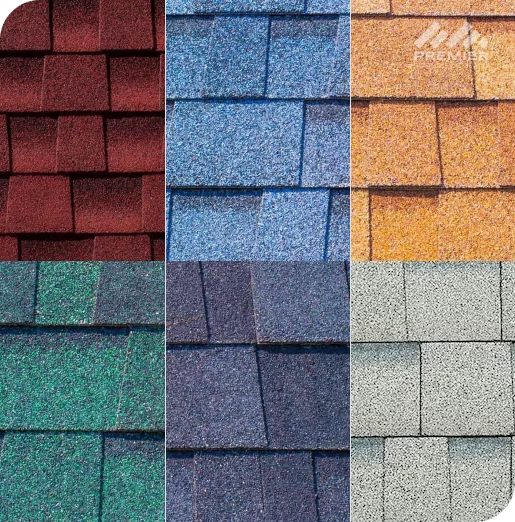
Neutral asphalt shingle colors remain the most widely requested option for residential roofing. Shades such as black, charcoal, and slate gray offer a classic appearance that works well across many architectural styles.
These asphalt roof shingles colors provide strong contrast against light-colored siding while also blending naturally with darker exterior finishes. Because neutral tones complement a wide range of materials, they are often the safest choice for long-term curb appeal. Homes with white, gray, or light-colored siding frequently pair well with darker asphalt roof colors, creating a balanced and visually grounded appearance.
Classic Earth Tones
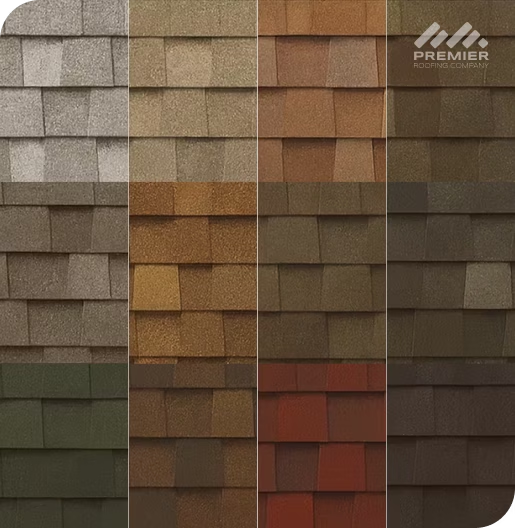
Earth-toned asphalt roofing colors remain a popular choice for homes that incorporate natural materials such as stone, brick, or wood siding.
Common colors of asphalt shingles in this category include brown, rust, sage green, and deep navy. These shades help create a natural color palette that blends with the surrounding landscape. Navy or deep blue asphalt shingle roof colors are particularly popular in some architectural styles because they add visual depth while maintaining a refined appearance. Earth-toned asphalt roof colors often work especially well for craftsman, rustic, and traditional home designs.
Bold and Expressive Options
Some homeowners choose more expressive asphalt roof color options to create a distinctive architectural look. Colors such as red, forest green, and deep blue can add strong visual contrast and make the home stand out within its surroundings. These asphalt shingle colors are sometimes seen in coastal homes, mountain properties, or historic architectural styles.
While bold colors of asphalt roof shingles can enhance personality and curb appeal, they are generally considered stylistic choices rather than mainstream resale options. Because of this, many homeowners choose expressive colors only when they complement the home’s architecture and neighborhood aesthetic.
Regional Favorites and Sunbelt Preferences
Regional climate conditions often influence which asphalt roof colors are most common in a given area. In regions with strong sunlight, lighter asphalt roof shingles colors are often selected because they reflect more solar radiation. This can help reduce roof surface temperatures during hot summer months.
In cooler climates, darker asphalt roofing colors such as charcoal, forest green, or deep gray remain popular because heat absorption is less of a concern. Local architecture, climate conditions, and neighborhood styles all influence which asphalt shingle colors become regional favorites.
Material Behavior: Why Asphalt Matters
Unlike materials such as metal or clay tile, colors of asphalt roof shingles behave differently because asphalt roofing is a layered system designed to slow heat transfer. The shingle itself contains asphalt layers reinforced with fiberglass, while the outer surface is covered with mineral granules that determine the visible asphalt shingle colors.
These granules serve two important functions. First, they provide UV protection by shielding the asphalt beneath from sunlight. Second, they influence reflectivity, which affects how much solar energy is absorbed or reflected by the roof surface. Modern asphalt roof shingles colors are often created using blended granules rather than a single pigment. This blending helps reduce visible fading, improves stain resistance, and adds visual depth to the finished roof.
Some newer shingles also include reflective pigments that enhance solar performance, meaning certain darker asphalt roofing colors may reflect more sunlight than their shade alone suggests. Heat exposure can gradually accelerate granule wear over time, particularly in regions with strong sun exposure. However, ventilation design plays a major role in reducing stress across all colors of asphalt shingles. Ultimately, the long-term durability of a roof depends more on the quality of installation, ventilation, and material design than on asphalt roof color alone.
Climate Shapes Color Performance
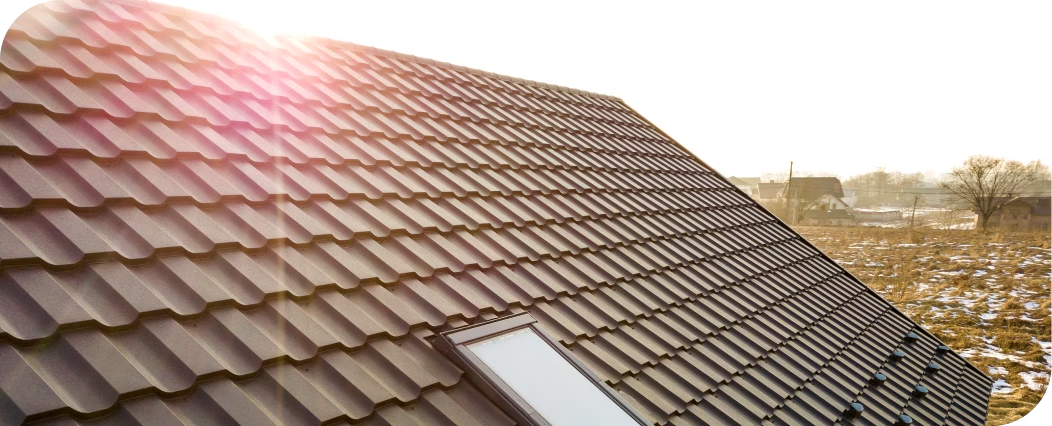
Hot and High UV Regions
In regions with intense sunlight, roof surfaces experience prolonged UV exposure and elevated temperatures. Under these conditions, reflective asphalt roof colors may help reduce surface heat buildup.
Lighter asphalt shingle colors reflect more solar radiation, which can lower roof surface temperatures and reduce the amount of heat entering the attic space. This can contribute to improved energy efficiency when combined with proper insulation and ventilation.
Because UV exposure gradually breaks down roofing materials, granule durability becomes particularly important in these environments. High-quality shingles with strong granule adhesion help maintain consistent asphalt roof shingles colors over time while protecting the underlying asphalt layer.
Cooler or Snow Dominant Regions
In colder climates, darker asphalt roofing colors are often selected for both visual warmth and practical performance.
Darker colors of asphalt shingles absorb more solar heat, which may assist with gradual snow melt on the roof surface. While this effect is modest, it can help reduce snow accumulation during winter months. Because overheating is rarely a concern in cooler regions, homeowners often prioritize architectural style and neighborhood design when selecting asphalt roof colors.
Traditional homes frequently use charcoal, deep gray, or forest green asphalt shingle roof colors, which complement brick, stone, and darker siding tones commonly found in colder climates.
Mixed Climate Conditions
Regions such as Colorado Springs experience both intense summer sun and winter snowfall. In these mixed climates, selecting asphalt roof color options often requires balancing multiple performance factors.
Moderate-tone asphalt shingle colors, such as weathered gray or blended brown, are common choices because they provide visual balance while performing well across seasonal conditions. Hail exposure is another important consideration in many areas. Because hail impacts can displace granules, blended asphalt roof shingles colors often help mask minor wear more effectively than solid-color roofs. Temperature swings between hot summers and cold winters also influence how roofing materials expand and contract. Choosing durable materials and maintaining proper ventilation helps ensure that asphalt roof colors maintain consistent performance over time.
Appearance and Exterior Balance
Roof color plays a central role in the visual composition of a home’s exterior. Because the roof often covers a large portion of the building envelope, asphalt shingle colors should complement the home’s architectural lines and surrounding materials.
The most effective designs consider contrast and balance. Too much contrast between siding and roof color can make the exterior feel visually abrupt, while too little contrast can cause architectural details to blend together.
For example, darker asphalt roof shingles colors often work well with lighter siding because they provide visual grounding for the structure. Similarly, homes with darker siding may benefit from mid-tone or blended asphalt roof colors that maintain definition without overwhelming the exterior palette. Beyond individual design choices, neighborhood cohesion also plays a role. Many communities develop informal color patterns that help maintain a consistent streetscape appearance.
Aging, Wear, and Visibility Over Time
Roof color does not prevent wear, but it does influence how aging becomes visible over time. Different asphalt roof shingles colors reveal signs of weathering in different ways.
Lighter asphalt shingle colors may show staining, algae growth, or environmental discoloration more quickly. While these issues rarely affect structural performance, they can alter the roof’s visual appearance.
Darker asphalt roof colors often mask minor granule loss or surface variations more effectively. However, darker surfaces may absorb more heat, which can contribute to gradual aging in extreme climates. In hail-prone regions, inspections often focus on granule displacement rather than visible cracking. Because granules protect the asphalt layer beneath, significant granule loss may indicate storm damage even if the asphalt roofing colors still appear relatively consistent.

Frequently Asked Questions


BLOG
Premier Roofing & The Press
13 Best Roofing Companies in Charlotte, NC in 2026 | Premier-Roofing.com
A lot of homeowners in Wichita end up replacing their roof sooner than expected, not because it was necessary, but because the damage wasn’t properly assessed early on. It happens more often than people think. If you’re searching ...
15 Best Roofing Companies in Raleigh, NC in 2026 | Premier-Roofing.com
A lot of homeowners in Wichita end up replacing their roof sooner than expected, not because it was necessary, but because the damage wasn’t properly assessed early on. It happens more often than people think. If you’re searching ...
15 Best Roofing Companies in Dallas, TX in 2026 | Premier-Roofing.com
A lot of homeowners in Wichita end up replacing their roof sooner than expected, not because it was necessary, but because the damage wasn’t properly assessed early on. It happens more often than people think. If you’re searching ...



 COMPANY
 CUSTOMERS
 RESOURCES