

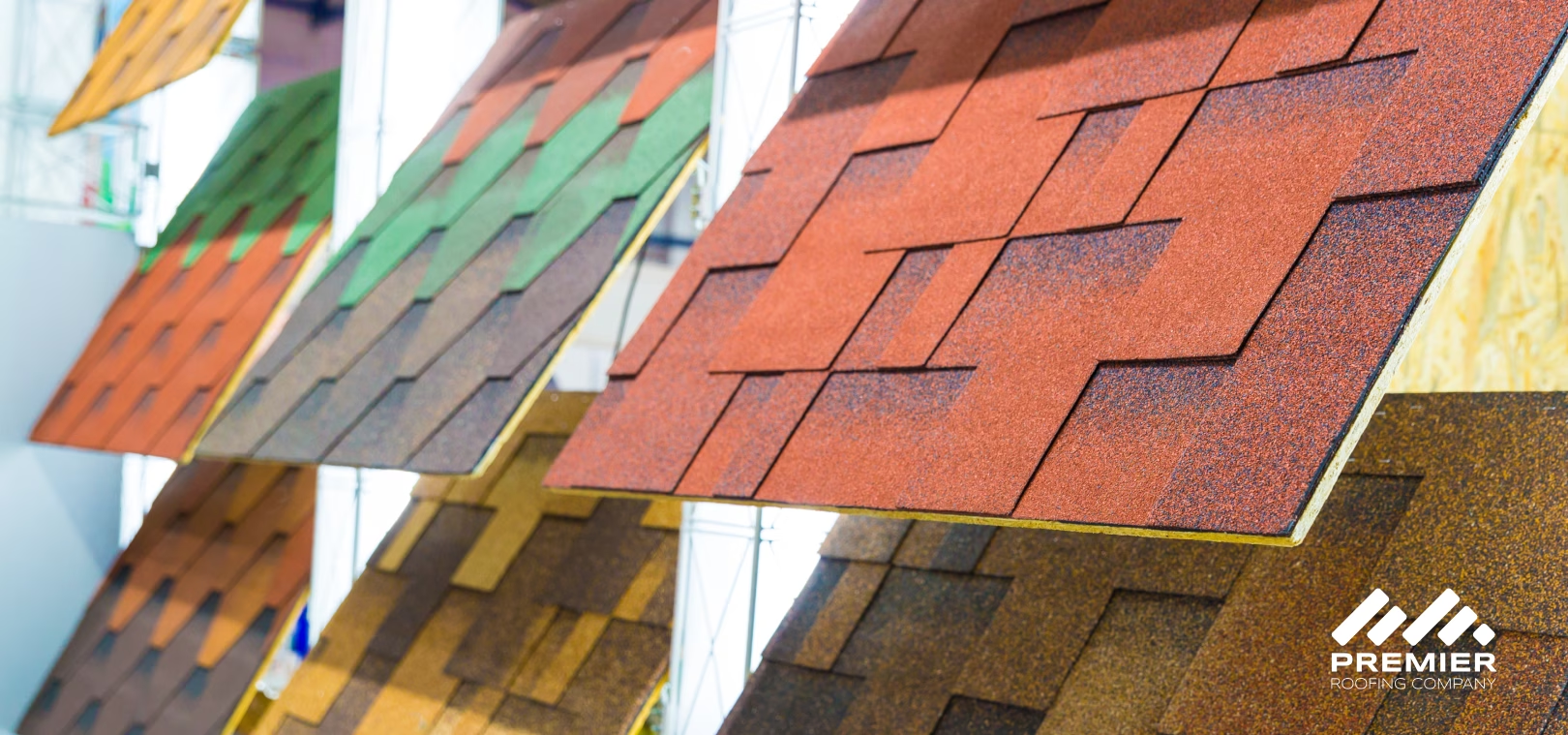
Roof color is often treated as a simple design choice. In reality, roof colors are part of a larger roofing system that influences heat movement, material behavior, energy performance, and long-term comfort. Homeowners frequently ask what roof color is best or how to choose a roof color. The answer rarely depends on color alone. Ventilation design, attic insulation, roofing materials, and regional climate all influence how roof colors perform over time. For example, a lighter roof color may reflect more sunlight at the surface, but without proper ventilation and insulation the difference in indoor comfort may be minimal. Likewise, darker roof colors can perform well in many homes when the roofing system is properly designed.
This guide explains how roof colors interact with sunlight, climate conditions, roofing materials, and architectural design. By understanding these relationships, homeowners can approach picking a roof color with a structured, climate-aware mindset rather than relying on trends or guesswork.
If you’re unsure which roof color works best for your home and climate, a professional roof inspection can help evaluate your current system before making design decisions.
TL;DR: What Is the Best Roof Color?
There is no universal best roof color for every home. The right choice depends on climate, roofing material, ventilation design, and the home’s exterior style.
Lighter roof colors typically reflect more sunlight and may help reduce roof surface heat in warmer climates. Darker roof colors absorb more heat and are often preferred in cooler regions or for architectural contrast.
However, roof color alone does not determine energy performance. Attic insulation and ventilation play a much larger role in regulating indoor temperature and overall comfort. When deciding what color roof is best, homeowners should balance climate conditions, material type, and exterior design rather than focusing solely on light versus dark shades.
Table of Contents
- Why Roof Color Matters More Than You Think
- How Sunlight Interacts With Roof Colors
- Roof Color Within the Whole Roofing System
- Climate Shapes Color Performance
- Roofing Materials and Reflective Technology
- Understanding Solar Reflectance Index (SRI)
- Roof Color and Exterior Design Harmony
- Frequently Asked Questions
Why Roof Color Matters More Than You Think
Curb Appeal and First Impressions
Roof color is one of the most dominant visual elements of a home’s exterior. In many cases, the roof represents up to 40 percent of the visible structure, which means roof colors strongly influence the overall appearance of a property.
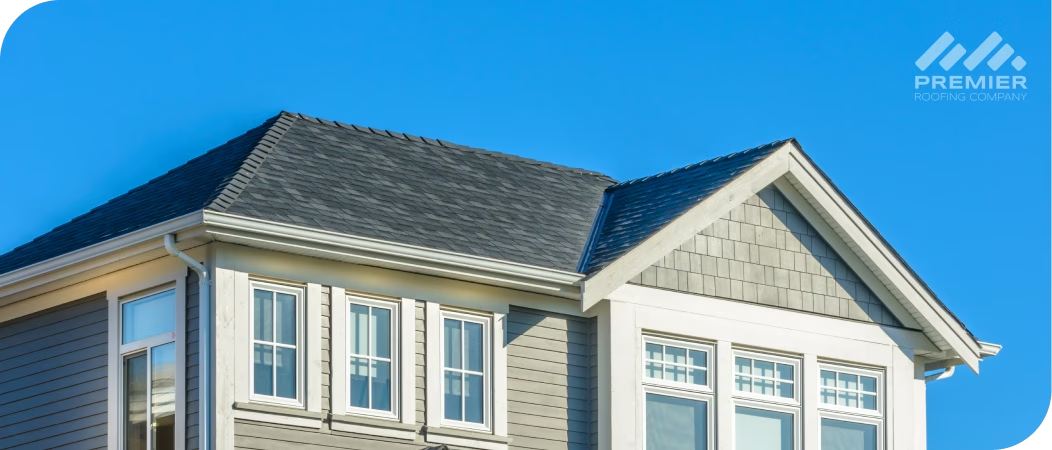
Different roof color choices can dramatically change how a home feels from the street. Two identical houses with different roof colors may appear completely different in style and character. The best roof color often depends on how well it complements siding, trim, brick, and stone. A well-balanced palette makes the home feel cohesive, while a mismatched roof color can make the exterior feel disjointed.
Property Value and Buyer Perception
Roof color is one of the first features potential buyers notice when evaluating a home. Because it is so visually prominent, the roof color can shape buyer perception before they even step inside. In many cases, the best roof colors for resale are neutral tones such as charcoal, slate gray, or weathered wood. These shades complement many architectural styles and appeal to a broader audience. When learning how to choose a roof color, homeowners should consider long-term market appeal in addition to personal taste.
If your roof is aging or affecting curb appeal, exploring modern roofing materials and color options can significantly improve both appearance and long-term property value.
Energy and Comfort Impact
Roof color influences how much sunlight is absorbed or reflected by the roofing surface. Because of this, roof colors can affect roof surface temperature during sunny conditions.
The best roof color to reflect heat is usually a lighter shade because it reflects more solar radiation. Darker colors absorb more heat, which can increase surface temperature. However, insulation and ventilation determine how much of that heat actually reaches the interior of the home. From an energy standpoint, what is the best color for a roof depends on climate, roofing materials, and the overall system design.
How Sunlight Interacts With Roof Colors
How Sunlight Impacts Roof Colors
Sunlight carries radiant energy. When sunlight hits roof colors, that energy is either reflected away or absorbed by the roofing surface.
Lighter roof colors reflect a larger portion of solar radiation, which may help reduce roof surface heat during peak sun hours. Darker roof colors absorb more solar energy, causing the roof surface to warm more quickly. This reflect-versus-absorb relationship is why many homeowners search for the best roof color to reflect heat.
What Reflection and Absorption Mean for Homeowners
In hot climates, lighter roof colors may help reduce surface temperatures by reflecting sunlight. This is one reason lighter tones are often recommended when homeowners ask what color roof is best for warm environments.
In cooler climates, darker roof colors typically do not create major indoor comfort issues, particularly when attic insulation and ventilation are properly designed. Ultimately, the best roof color depends on sun exposure, climate conditions, and the structure of the roofing system.
Surface Temperature vs Overall Performance
Roof color primarily affects surface temperature rather than indoor temperature directly. Heat must first pass through the roofing materials and attic space before influencing the living area.
Insulation slows heat transfer into the home, while ventilation helps remove trapped heat from the attic. When deciding how to choose a roof color, homeowners should understand that these system components work together. The best roof color balances reflectivity, material performance, and regional climate conditions.
Roof Color Within the Whole Roofing System
Roof Color Changes Surface Temperature Only
A roof color determines how much sunlight the surface reflects or absorbs. Lighter roof colors generally reflect more energy, while darker colors absorb more heat.
This difference primarily changes how warm the roof surface becomes during direct sun exposure.The best roof color from a performance standpoint depends on what happens to that heat after it reaches the roof surface.
Insulation and Ventilation Control Indoor Impact
Attic insulation slows heat transfer from the roof into the living space. Even the best roof color cannot compensate for insufficient insulation.
Ventilation allows warm air to escape from the attic, reducing heat buildup beneath the roof. Because of this, what color roof is best depends heavily on how insulation and ventilation work together within the roofing system.
Roof Color Is One Variable in a Larger System
Roof color works alongside roofing materials, airflow, and regional sun exposure.
For example, asphalt, metal, and tile roofing systems respond differently to the same roof color because each material absorbs and releases heat at different rates.
When evaluating how to choose a roof color, homeowners should consider the entire roofing system rather than treating color as an isolated decision.
Climate Shapes Color Performance
Climate plays a major role in determining what color roof is best.
In hot climates with long cooling seasons, lighter roof colors can reflect more sunlight and reduce roof surface heat buildup. For this reason, homeowners often look for the best roof color to reflect heat in these regions.
In colder climates, darker roof colors typically have less impact on indoor temperature because insulation controls most heat transfer.
In mixed climates with both hot summers and cold winters, mid-tone roof colors often provide balanced performance.
When deciding how to choose a roof color, homeowners should evaluate local sun exposure, seasonal temperatures, and weather conditions.
Roofing Materials and Reflective Technology
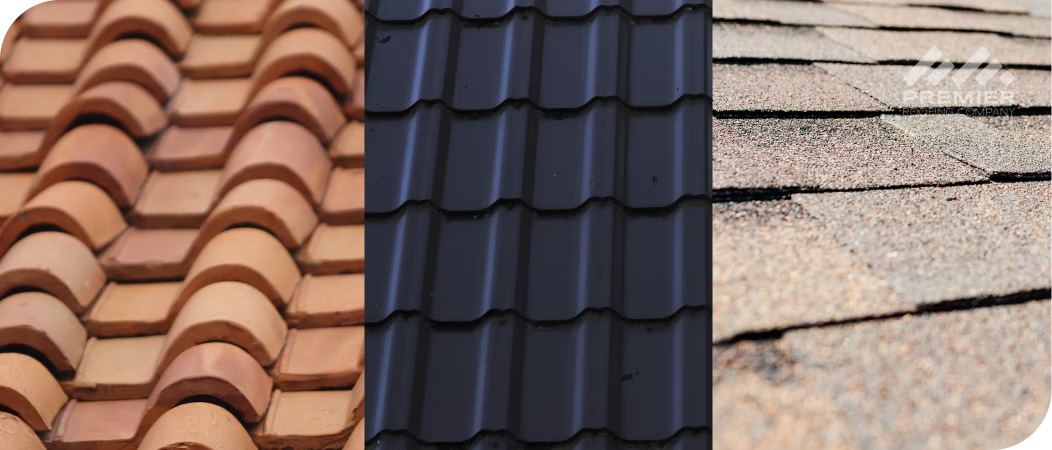
When evaluating roof colors, it’s important to understand that color behaves differently depending on the roofing material. Two roofs with the same visible color may perform very differently if they are made from asphalt shingles, metal panels, or tile.
This happens because each material absorbs, stores, and releases heat in its own way. Roofing materials vary in density, surface texture, thermal mass, and reflective technology. These factors determine how sunlight interacts with the surface and how heat moves through the roofing system.
For example, lighter roof colors often reflect more sunlight at the surface, but reflective coatings or specialized granules can improve performance regardless of visible shade. Advances in roofing technology now allow certain mid-tone roofing color options to perform nearly as well as lighter colors in warm climates.
Material structure also plays a role. Lightweight roofing materials tend to heat up and cool down more quickly, while heavier materials absorb heat slowly and release it gradually over time.
Because of these differences, choosing the best roof color should involve evaluating both the visible color and the material system that supports it. Asphalt shingles rely on mineral granules for protection and reflectivity. Metal roofing performance is influenced heavily by coatings and paint systems. Tile roofs behave differently due to their density and airflow beneath the tiles.
Understanding how roof colors interact with different roofing materials allows homeowners to make more informed decisions about both performance and appearance.
Asphalt Shingles
Asphalt shingles are the most common residential roofing material in North America, and their roof colors are created by mineral granules embedded into the shingle surface. These granules serve two purposes: they create the visible color of the roof and protect the asphalt layer beneath from ultraviolet radiation.
Modern asphalt shingles often include advanced granule technology designed to improve energy performance. Some shingles incorporate infrared-reflective pigments that reflect more solar energy than their visible shade might suggest. Because of this technology, certain mid-tone roof colors can perform better than expected in warm climates.
Granule blends also influence how shingles age over time. Multi-tone color patterns can help mask natural wear, minor granule loss, and surface discoloration that occurs as roofing materials weather.
When evaluating the best roof color, homeowners should consider granule technology alongside the visible shade of the shingle. A darker shingle with reflective granules may perform better than an older light-colored shingle without modern technology.
For a deeper look at how roof colors behave in asphalt shingles, homeowners can explore our full guide.
Metal Roofing
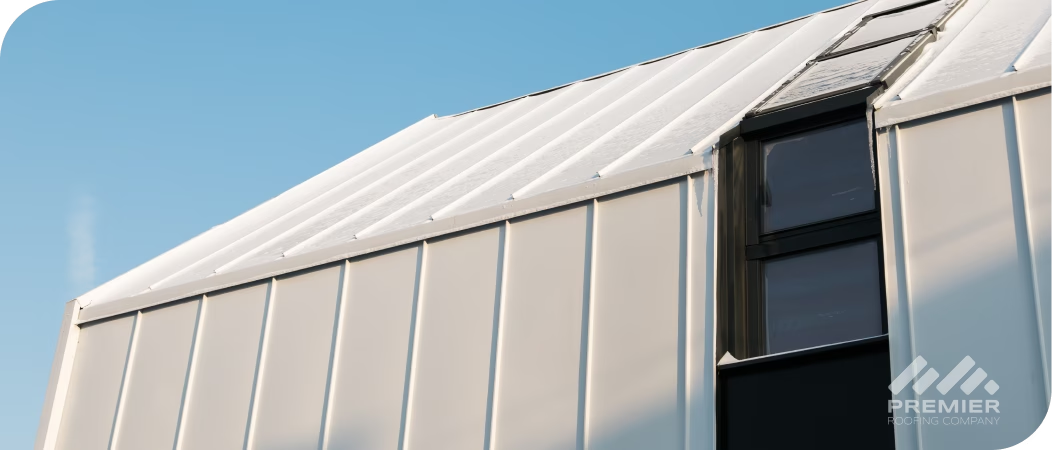
Metal roofing systems behave differently from asphalt shingles when it comes to roof colors because their performance depends heavily on the coating applied to the metal panels.
Standard painted metal roofing reflects some sunlight, but specialized reflective coatings can significantly increase solar reflectance. These coatings are designed to bounce more radiant energy away from the roof surface, which can reduce heat buildup during intense sun exposure.
Because of this, the best color metal roof to reflect heat is not determined by color alone. A lighter metal roof combined with a high-performance reflective coating will typically provide the best energy performance.
However, modern coatings allow even darker roof colors to reflect more solar energy than traditional paints. These coatings can improve performance while still allowing homeowners to choose darker or more architectural color options.
In metal roofing systems, the coating technology often influences performance just as much as the visible roof color itself.
Tile Roofing
Tile roofing behaves differently from asphalt and metal because it has greater thermal mass. Materials such as clay and concrete tiles are dense and absorb heat more slowly than lighter roofing systems.
Because of this density, roof colors on tile roofs may not respond to sunlight the same way lighter materials do. The tile absorbs heat during the day and releases it gradually over time rather than heating and cooling quickly.
Tile systems also typically include natural airflow beneath the tiles. This airflow helps regulate heat buildup and can reduce the impact of surface color on interior temperatures.
For these reasons, the best roof color for tile installations should be evaluated alongside the tile material, roof structure, and regional climate conditions.
In many tile roofing systems, material density and airflow influence performance just as much as visible roof colors.
Understanding Solar Reflectance Index (SRI)
Solar Reflectance Index, or SRI, is a measurement used to evaluate how roofing materials interact with sunlight. It helps determine how hot a roof surface becomes when exposed to direct sun.
SRI combines two key factors. The first is solar reflectance, which measures how much sunlight a roofing surface reflects away. The second is thermal emittance, which measures how efficiently the material releases absorbed heat.
When these two properties are combined, they produce an SRI rating that indicates how cool the roof surface remains under sunlight. Higher SRI values generally correspond to cooler surface temperatures.
Because of this, SRI is often referenced when discussing the best roof color to reflect heat. However, visible color alone does not determine SRI performance. Coatings, reflective granules, and surface engineering can significantly affect how a roofing material performs.
Some mid-tone roofing color options may achieve higher SRI ratings than darker roofs built with older materials. This demonstrates that performance depends on material technology as much as color.
SRI is especially important in hot climates, energy-efficient construction, and building codes that require reflective roofing surfaces. When evaluating what color roof is best, homeowners should consider SRI ratings alongside climate conditions and roofing material type.
Roof Color and Exterior Design Harmony
Beyond performance, roof colors play a major role in how a home looks from the street. Because the roof covers a large portion of the structure, its color strongly influences the visual balance of the exterior.
The best roof color typically complements the home’s siding, trim, brick, or stone rather than competing with them. A well-chosen roof color visually anchors the house and creates contrast that enhances architectural lines.
Warm-toned siding such as beige, tan, or cream often pairs well with brown, bronze, or weathered wood roof colors. Cool-toned siding such as gray, blue, or crisp white often works best with charcoal, slate, or architectural gray roofing options.
For example, the best roof color for white house designs often involves strong contrast. Black, dark gray, or dimensional shingles can create depth and make architectural features stand out.
When picking a roof color, it is important to consider undertones rather than just light versus dark shades. A gray roof may lean warm or cool, which changes how it interacts with surrounding materials.
Homeowners should also view roofing samples outdoors in natural daylight. Lighting conditions can significantly change how roof colors appear throughout the day.
Learn more about how our residential roofing services bring these systems together here

Frequently Asked Questions


BLOG
Premier Roofing & The Press

13 Best Roofing Companies in Charlotte, NC in 2026 | Premier-Roofing.com
A lot of homeowners in Wichita end up replacing their roof sooner than expected, not because it was necessary, but because the damage wasn’t properly assessed early on. It happens more often than people think. If you’re searching ...

15 Best Roofing Companies in Raleigh, NC in 2026 | Premier-Roofing.com
A lot of homeowners in Wichita end up replacing their roof sooner than expected, not because it was necessary, but because the damage wasn’t properly assessed early on. It happens more often than people think. If you’re searching ...

15 Best Roofing Companies in Dallas, TX in 2026 | Premier-Roofing.com
A lot of homeowners in Wichita end up replacing their roof sooner than expected, not because it was necessary, but because the damage wasn’t properly assessed early on. It happens more often than people think. If you’re searching ...



 COMPANY
 CUSTOMERS
 RESOURCES