

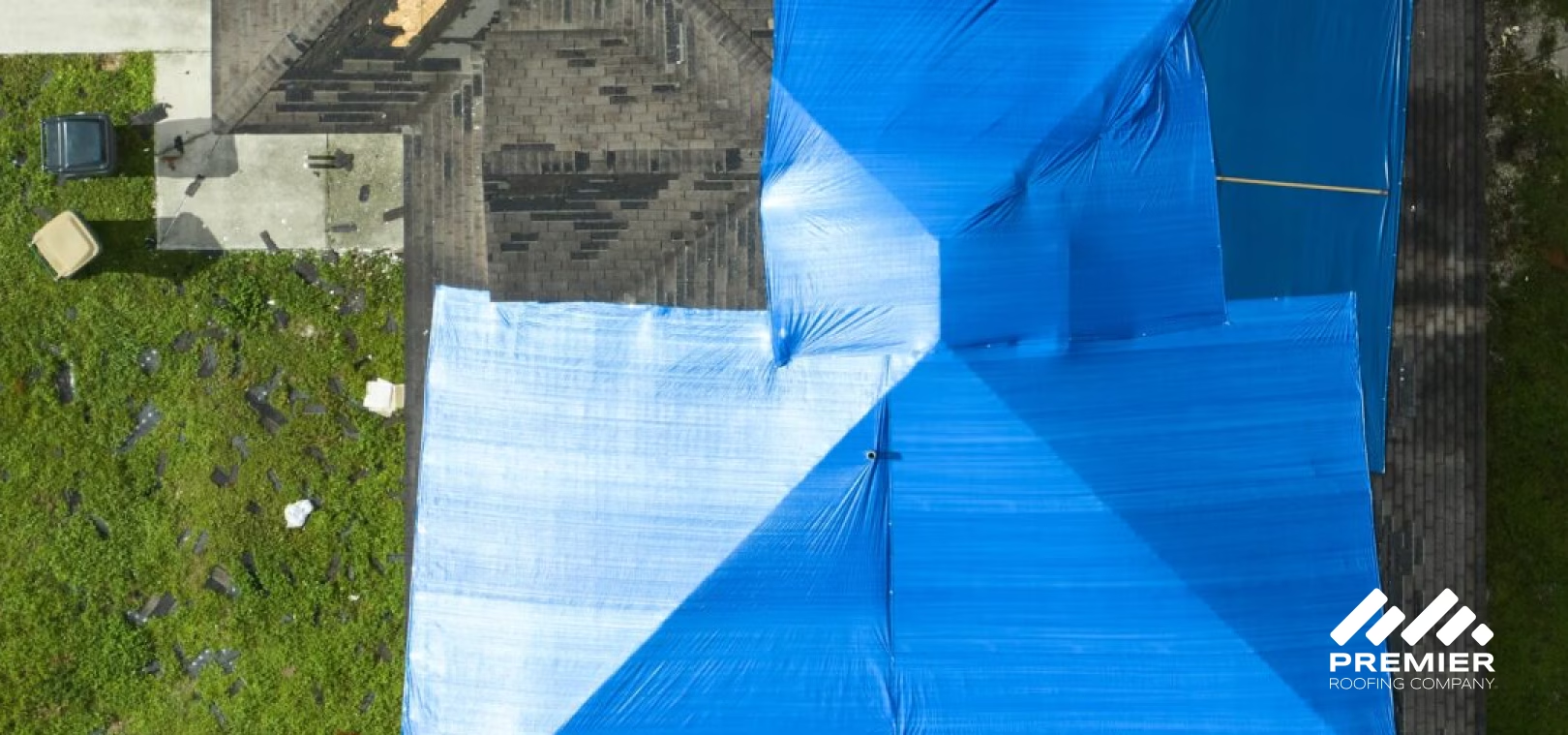
The stain on your ceiling is not where the problem started. Water enters through a failed flashing joint, a cracked pipe boot, or a shingle torn loose in the last storm. From there it travels: through the decking, into the insulation, along the joists, until it finally surfaces somewhere visible. By the time you spot it, it has been moving through your home for days or weeks already.
Catching roof water damage early is the difference between a simple repair bill and a full roof replacement. This guide shows you exactly what to look for from inside your home, from the ground, and from your attic. It also covers the most common causes, what a real fix actually involves, how your homeowners insurance is likely to respond, and what you can do right now to reduce your risk.
Table of Contents
- How to Tell If Your Roof Has Water Damage
- Common Causes of Water Damage Roof Issues
- How to Inspect for Roof Water Damage
- How to Fix Water Damage Roof Issues
- What Happens If You Ignore Roof Water Damage
- Does Homeowners Insurance Cover Water Damage From Leaking Roof
- Prevention Habits That Reduce Water Damage on Roof Risk
- When to Escalate From Monitoring to Professional Help
- Roof Water Damage Quick Diagnosis Guide
- Frequently Asked Questions
Signs of Water Damage on Roof
Most homeowners discover a water damaged roof the wrong way. A stain appears, someone comes out, and the actual source turns out to be somewhere they never would have looked. That is not bad luck. That is how water moves through a roof.
Your roof is a layered system. Shingles handle surface water. Underlayment provides a secondary barrier. Decking gives the structure its base. Flashing seals the intersections where water concentrates most. When any layer fails and water gets through, it does not stop at the point of entry. It moves until it finds something to absorb, and everything it touches starts to deteriorate. Normal aging weakens a roof gradually over its service life. Water intrusion does the same damage in a fraction of the time.
Before you start inspecting, one thing worth knowing: not every moisture pattern is a roof problem. Condensation from poor attic ventilation, plumbing leaks in pipes above the ceiling, and HVAC drainage issues can all produce staining that looks identical to a roof leak. The test is simple: does the stain grow after rain? A stain that expands following a storm points to active water intrusion. One that has sat unchanged for two years is a lower priority, though not permanently ignorable.
If you want to understand how the layers of your roof work together before you start, Premier Roofing's residential roofing overview is a solid foundation.
Interior Signs of Roof Water Damage
The stain on your ceiling can be sign of water damage on your roof. What you need to read is whether it is getting worse. A stain that grows after heavy rain tells you water is still entering. A stain unchanged over years tells you something happened once but may not be active now. What you are watching for is movement, patterns that evolve with the weather.
Beyond staining, look for:
- Bubbling or peeling paint on ceilings or upper walls.
- Moisture is pushing through from behind. The surface is telling you what is happening on the other side of it.
- A persistent musty smell with no obvious source. Damp insulation produces this odor before anything shows at ceiling level. If a room smells like a wet basement and you cannot find why, look up.
- Soft spots in drywall or ceiling material. Water has been sitting long enough to break the material down from within. This is not a cosmetic issue.
Exterior Signs (From Ground Level)
You do not need to get on your roof to get a clear picture of its condition. Binoculars or a smartphone zoom lens from the ground covers most of what you need to see, and keeps you safely off a ladder.
Work across the surface methodically and look for:
- Missing shingles or shingles with lifted, curling edges. These are open doors into the layers below.
- Sections where the roofline dips or sags. The decking beneath has likely already been softened by moisture.
- Rust streaking near flashing at chimneys, skylights, or roof valleys. By the time you see rust, the seal has usually already failed.
- Moss or algae growth. Moss holds moisture against the shingle surface and accelerates the breakdown underneath it.
- Granules collecting in your gutters. As shingles lose their protective coating, the asphalt beneath becomes increasingly vulnerable with each rainfall. Widespread granule loss means you are making a system-level decision, not a targeted repair.
If your shingles are showing significant wear, this guide on the signs your roof needs replacing will help you assess where things stand.
Attic and Insulation Clues
Your attic is the most honest space in your home when it comes to roof water damage. Problems that have not yet reached the ceiling below are often clearly visible from above. Make this inspection a habit, not a reaction to something going wrong.
Bring a flashlight and check:
- Damp or matted insulation. Compression and discoloration both confirm moisture absorption. Wet insulation has also lost most of its thermal value, so the damage is already showing up in your energy bills.
- Dark staining on rafters or the underside of the roof deck. This shows you that water has been present and, often, which direction it traveled.
- Mold-like spotting on wood surfaces. Once mold takes hold in framing, you are dealing with two problems instead of one.
- Daylight visible through the decking. If light gets in, water uses the same route.
One distinction worth making up here: condensation and a true leak can look similar inside an attic. Condensation from poor ventilation tends to distribute broadly and evenly across surfaces. A roof leak concentrates around penetrations and follows a downward or sloped path. Shingle age often plays a role in both scenarios. This guide on how long asphalt shingles last gives you a realistic picture of how much surface protection you still have.
Common Causes of Roof Water Damage
Damaged or Missing Shingles
Your shingles take the full force of every storm, every hail event, and years of UV exposure. When they crack, curl, or go missing, water has a direct path into every layer below. Even one missing shingle creates an opening that widens with each rainfall. What looks like minor wind damage from the ground can mean significant water damage on your roof
Flashing Failures
Flashing seals the intersections where two roof surfaces meet: chimneys, skylights, and roof valleys. These are the points where water concentrates most, which makes them the most damaging when the seal fails. Rust, bending, or separation at a flashing joint creates a reliable water entry point, and the damage it causes tends to run deep before it shows on the inside.
Pipe Boot or Vent Collar Deterioration
The rubber boots sealing plumbing vent pipes where they exit through your roof dry out over time. UV exposure causes them to crack and pull away from the pipe, and once that seal fails, water tracks down into the roof assembly with every rainfall. Pipe boot failure is one of the most common sources of steady, ongoing roof water damage and one of the easiest to overlook from the ground.
Improperly Driven or Exposed Nails
Roofing nails driven at the wrong angle, over-driven through the shingle surface, or left without sealant create small but persistent entry points. You will not see them from the ground, but they allow water to track down the shaft and into the assembly below every time it rains.
Clogged Gutters & Valleys
When gutters or roof valleys fill with debris, water has nowhere to go. It backs up along the eave or valley line and forces its way under shingle edges in heavier rain events. This is one of the most preventable causes of water damage on a roof, and one of the most common. This guide on gutters and your roof explains why this single maintenance habit matters more than most homeowners expect.
Skylight Installation Errors
A skylight with incorrectly applied flashing, or one whose frame seals have aged and failed, becomes a consistent water entry point. The gap does not need to be large. A small opening at the perimeter allows water to track into the ceiling assembly over time, often producing staining that appears well away from the skylight itself. Premier Roofing's leaking skylight guide covers how to identify and address this specific failure.
Chimney Leaks
Brick and mortar deteriorate over time, and the joint where your chimney meets the roofline is particularly exposed. When flashing at the chimney base fails, or mortar joints crack open, water can enter along the full height of the chimney and surface as interior staining far from where it actually came in. Chimney leaks are frequently patched in the wrong location first because of this.
Ice Dams
In colder climates, heat escaping through your roof melts snow on the upper sections. That meltwater runs toward the eaves, hits the colder edge, and refreezes into a dam that blocks drainage entirely. Water backs up behind it and forces its way under shingles, often reaching insulation and ceiling surfaces before you notice anything inside. Ice dams do not just indicate a drainage problem. They signal an insulation gap and a ventilation failure working together, and the damage compounds every season they go unaddressed. Premier Roofing's ice damming guide explains the full cycle and what remediation involves.
How to Inspect for Roof Water Damage
Catching roof water damage early starts with knowing what to look for and where to look for it. You can cover a lot of ground yourself from safe positions inside and around your home. The goal is to identify warning signs clearly enough to act on them, or to hand a professional a detailed starting point when you call.
Safety First
If you use a ladder, place it on stable ground and secure it before climbing. Wear slip-resistant shoes. Avoid stepping onto the roof surface if it is steep, wet, or shows any softness underfoot. For most homes, a thorough attic inspection combined with a ground-level exterior check covers the most meaningful diagnostic information without requiring you to walk the surface at all.
Interior Inspection
Start at the ceiling and upper walls. Discoloration, bubbling paint, and soft spots are not normal. Each one tells you moisture has already worked through the roof system above. Note where you find them and whether any have changed recently.
Then move to the attic with a flashlight. Work across the rafters and roof deck methodically, paying close attention to areas around vent pipes, exhaust fans, chimneys, and any penetration. Dark staining on wood, compressed or discolored insulation, and mold-like spotting on framing all confirm that water has been present.
Exterior Inspection
From the ground, use binoculars or a camera zoom to move across the roof surface section by section. Look for missing or curled shingles, areas where the roofline breaks its even plane, and debris accumulation in valleys. At chimneys and skylights, check specifically for rust, visible bending, or flashing that has separated from the surface it is meant to protect.
Check the gutters too. Sagging sections indicate weight from water or debris. Heavy granule accumulation inside the channel confirms shingle aging and thinning surface protection above. After any significant wind event, Premier Roofing's post-storm inspection guide gives you a structured checklist for what to prioritize.
Using Technology
Moisture meters detect elevated humidity in building materials, identifying saturation behind walls or under roofing layers before outward damage appears. Thermal imaging cameras reveal temperature variation across surfaces, showing where water has penetrated and altered the thermal profile of the material below.
Seasonal Inspections
Schedule a free professional inspection after any severe weather event and at minimum twice a year: once in spring and once in fall. Storms expose vulnerabilities that stay manageable under calm conditions but escalate quickly under pressure.
How to Fix Water Damage on Roof
The most common mistake homeowners make with roof water damage is treating the visible symptom rather than the actual problem. Repainting a stained ceiling or patching a surface crack without finding the true entry point leaves the leak path open. Water continues along the same route, and whatever you just repaired fails again faster than it did the first time. Premier Roofing's guide on common roofing mistakes to avoid covers how often this pattern plays out and what it costs.
How to fix water damage roof in 4 steps:
- Find and close the entry point first. The location where water is actually entering the roof system needs to be identified and sealed before any interior or surface work begins. The entry point and the interior stain are rarely in the same place.
- Let the affected area dry completely. Wet insulation, damp decking, and saturated drywall need time and airflow before they are sealed in. Trapping moisture behind a repaired surface creates conditions for mold and continued structural softening.
- Replace only what is genuinely damaged. Localized failure, a deteriorated pipe boot, compromised flashing, a small area of soft decking can often be resolved without touching the rest of the roof system. Accurate diagnosis defines the real scope.
- Restore system balance. A repair that closes the immediate leak but leaves drainage misaligned or adjacent flashing unaddressed shifts the conditions for the next failure somewhere nearby. The entry point and the factors that allowed it to open both need to be addressed.
What Happens If You Ignore Roof Water Damage
Water does not wait. Once it bypasses the shingle surface, it moves through the roof assembly and into the building envelope below. The longer it stays, the broader the damage and the larger the bill.
Structural deterioration comes first. Your roof decking softens as it absorbs moisture, weakening the base that holds your shingles and carries the load above. Rafters and framing members rot. Fasteners corrode at their connections. What starts as a soft spot progresses to visible sagging, and at that point framing repairs become part of the job alongside the roofing work itself.
Mold follows. Once it establishes itself in insulation or drywall, you are no longer dealing with a roofing problem in isolation. Remediation becomes a separate, costly project running alongside the roof repair. For anyone in the household with respiratory sensitivities, the health consequences extend well beyond the property damage.
Then the energy and financial losses compound on top of both. Wet insulation loses its thermal resistance, so your home works harder to hold temperature and your utility bills rise. Premier Roofing's guide on how a properly installed roof affects utility bills illustrates just how much your roof contributes to your home's efficiency when it is performing correctly.
And because water damage on a roof spreads to materials it was never initially in contact with, the repair scope grows in ways that outpace early intervention costs very quickly. A problem that costs a few hundred dollars to fix at first contact can reach the tens of thousands after two or three seasons of neglect.
Does Homeowners Insurance Cover Water Damage From Leaking Roof
Whether your policy covers water damage from a leaking roof comes down to three things: the cause of the leak, the timing, and your documentation.
Insurers draw a firm line between sudden storm-caused damage and gradual deterioration. A storm that opens a new entry point through hail impact, wind damage, or falling debris typically produces a covered claim. A leak that developed slowly because shingles aged past their service life or maintenance was deferred is more likely to be disputed or denied. The distinction matters because insurers look for evidence of the triggering event, not just the damage itself.
Documentation determines the outcome in ambiguous cases. Clear photographs taken immediately after the storm, a record of the event date, any prior inspection reports showing the roof was in good condition, and a professional damage assessment all help establish that the damage resulted from a covered event. The clearer your timeline, the harder the claim is to dispute.
A few things are worth knowing before you file. Your deductible applies regardless of claim size, so smaller repairs may not justify a claim at all. Filing multiple claims in a short window can affect your premium or your coverage terms. And the way you document damage in the first 24 to 48 hours after a storm often shapes how smoothly the rest of the process goes.
For a full breakdown of how to navigate a storm damage insurance claim from inspection through settlement, check out Premier Roofing's storm damage roof insurance claims process guide.
Prevention Tips to Avoid Roof Water Damage
Prevention costs a fraction of what repairs do. The habits that protect against water damage on a roof are straightforward, and most of them require nothing more than consistent scheduling.
- Schedule a free professional inspection twice a year and after every major storm. Most serious roof water damage starts as something a trained eye would catch early and address cheaply.
- Keep gutters and downspouts clear. Water that cannot drain away from your roof will find another route through it. Premier Roofing's guide on why you should clean your gutters details the downstream effects of this one habit.
- Trim overhanging branches. Falling limbs cause immediate impact damage, and persistent shade encourages the moss and algae growth that traps moisture against shingles.
- Ensure proper attic ventilation. Good airflow controls temperature and moisture levels, slows shingle aging, and eliminates the conditions that lead to ice dams. Premier Roofing's DIY attic insulation guide is a useful starting point if you are not sure where your home currently stands.
- Add an ice and water shield at eaves, valleys, and around penetrations. This extra layer provides critical backup protection against ice dams and wind-driven rain in vulnerable zones.
- Understand your roof's warranty and what it covers. Knowing the terms of your coverage helps you act within the right timeframe when something goes wrong. Premier Roofing's roof warranties guide explains what different warranty types actually protect.
When to Call a Roofing Professional
Most roof water damage benefits from a professional assessment, not because you cannot spot the signs, but because accurately identifying the true entry point requires experience with how water moves through a roof system. A ceiling stain is where the problem surfaced, not where it started. Finding the source is what makes the repair last.
Your inspection covered the basics. Bring in a professional when you find any of the following:
- Water stains that expand after rain
- Sagging anywhere in the ceiling or along the roofline
- Leaks that return after DIY repair attempts
- Mold or dark spotting spreading in the attic
- Visible softness in roof decking or framing
- Any damage following a hail storm or severe wind event
When you do call, document what you observed with photos and notes before anyone arrives. Choose a licensed, insured contractor with verifiable local reviews and clear warranty terms. Premier Roofing's guide on how to choose a roofer walks you through exactly what to look for and what to avoid.
Premier Roofing backs every repair with a Certified Lifetime Workmanship Warranty. Your investment is protected from day one, and you have a team that stands behind the work long after the truck leaves.
Stop Roof Water Damage Before It Stops You
Roof water damage does not stay small on its own. A minor leak left alone through one winter can compromise your insulation, rot your framing, and spread mold through your attic before it ever produces a stain on your ceiling. Most of that damage is preventable, and even when a problem has already developed, catching it early keeps the repair within reach.
If anything in this guide looked familiar, your roof is telling you something. Get a quote with Premier Roofing today and find out exactly what you are dealing with before it becomes a larger decision.

Frequently Asked Questions


BLOG
Premier Roofing & The Press

13 Best Roofing Companies in Charlotte, NC in 2026 | Premier-Roofing.com
A lot of homeowners in Wichita end up replacing their roof sooner than expected, not because it was necessary, but because the damage wasn’t properly assessed early on. It happens more often than people think. If you’re searching ...

15 Best Roofing Companies in Raleigh, NC in 2026 | Premier-Roofing.com
A lot of homeowners in Wichita end up replacing their roof sooner than expected, not because it was necessary, but because the damage wasn’t properly assessed early on. It happens more often than people think. If you’re searching ...

15 Best Roofing Companies in Dallas, TX in 2026 | Premier-Roofing.com
A lot of homeowners in Wichita end up replacing their roof sooner than expected, not because it was necessary, but because the damage wasn’t properly assessed early on. It happens more often than people think. If you’re searching ...



 COMPANY
 CUSTOMERS
 RESOURCES