

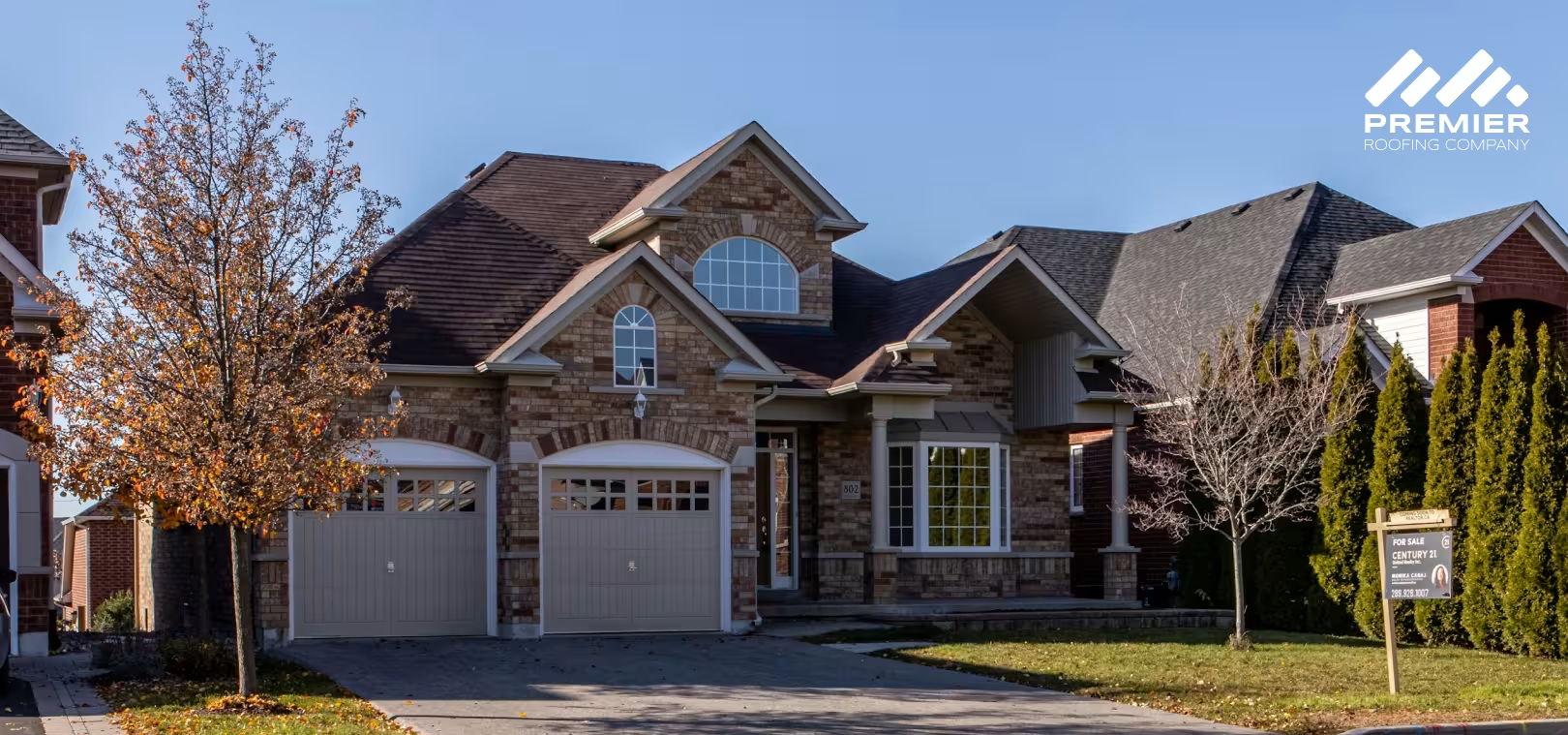
Many homeowners often start with this simple question. It’s a fair concern because roof replacement is one of the largest upgrades most people make to a home.
The short answer is yes, but the value does not always appear the way people expect. The ROI on new roof projects usually comes from protecting your home’s price, improving buyer confidence, and preventing negotiations during inspections rather than adding the full replacement cost directly to your appraisal.
A roof plays a major role in how buyers, appraisers, and lenders evaluate a property. When a roof is aging or showing wear, it becomes a financial risk tied to the home. When it’s new, that concern disappears. If you’re unsure how much life your current roof has left, a professional inspection can help clarify your options before making major decisions about selling or upgrading your home.
TL;DR - Will a New Roof Increase Appraisal Value?
Yes, a new roof can increase appraisal value, but typically not dollar-for-dollar. Appraisers assess roof condition, remaining service life, and deferred maintenance risk when determining valuation. An aging roof may lower appraisal value by increasing perceived risk, while a new roof eliminates that concern and strengthens the home’s overall condition classification.
Key takeaways are that most homeowners recoup approximately 60–70% of roof replacement costs at resale. A new roof improves buyer confidence, reduces inspection concerns, and protects the asking price during negotiations. The actual return on investment depends on material choice, neighborhood expectations, and local housing demand. In competitive markets, replacing an aging roof before selling can prevent price reductions that exceed the replacement cost.
Table of Contents
- Impact of a New Roof on Home Value
- How Much Does a New Roof Increase Home Value?
- Key Factors That Influence Roof Replacement ROI
- Roofing Materials and Their Effect on Property Value
- Signs It’s Time to Replace Your Roof Before Selling
- Roof Replacement Financing Solutions
- Maximizing the Value of Your New Roof
- Frequently Asked Questions
Impact of a New Roof on Home Value
Yes, a new roof can increase home value, but the effect depends on the condition of the existing roof and the expectations of buyers in your area. Appraisers evaluate whether the roof presents a current or future financial risk. A roof near the end of its lifespan may reduce appraisal value, while a new roof improves the home’s overall condition and removes deferred maintenance concerns.
In many cases, the real value increase comes from protecting the home’s market position. Buyers are more willing to pay full asking price for a home with a new roof because they know they won’t face immediate replacement costs. This reduces negotiation pressure, speeds up the sales process, and strengthens both appraisal and resale outcomes.

Short-Term vs. Long-Term Gains
A new roof provides immediate benefits by increasing buyer confidence and eliminating concerns about future repair costs. Buyers are more likely to make strong offers when they know the roof is new and structurally sound. This often results in faster sales and fewer inspection-related delays.
Long-term, a new roof protects the home’s structural integrity, improves energy efficiency, and prevents water damage that can reduce property value. These ongoing benefits help maintain the home’s value over time and protect the homeowner’s investment.
Material and Location Impact ROI
The ROI on new roof installations varies based on materials and regional climate conditions with the most cost-effective options averaging a 60% to 70% return. Asphalt shingles typically offer a strong return due to their affordability and broad buyer appeal. Metal roofs, while more expensive upfront, often provide higher resale value in areas prone to severe weather due to their durability and longevity.
Market conditions also influence ROI. In competitive real estate markets, buyers are more likely to pay a premium for homes with recent upgrades, including new roofing systems. According to the 2023 Cost v. Value Report, asphalt replacements averaged a 61% ROI, whereas metal roofs achieved approximately 65% due to their superior resilience.
Is a New Roof Worth It?
Replacing an aging roof is often worth the investment, especially if you plan to sell within the next few years. A deteriorating roof can delay sales, reduce buyer offers, and create appraisal challenges. A new roof improves curb appeal, strengthens structural protection, and increases overall buyer confidence.
Even if you are not selling immediately, a new roof protects your home from water damage, mold, and structural deterioration, preserving its long-term value.
How Much Does a New Roof Increase Home Value?
Most homeowners do not recoup the full cost of a new roof in pure appraisal value, but they often recover a large portion of it. On average, resale impact falls in the 60 to 70 percent range. For example, if you invest $18,000 in a roof replacement, the measurable increase in home value may land somewhere between $10,000 and $13,000, depending on your local market.
But the real benefit is often less about adding value and more about protecting it. An aging roof can trigger inspection concerns, price reductions, or buyer demands for large concessions. In some cases, those negotiations can cost more than the roof itself.
A new roof removes that leverage from the buyer’s side. It supports your asking price, strengthens confidence during inspections, and positions the home as move-in ready rather than a future project. If your roof is nearing the end of its lifespan, replacing it before selling can prevent price reductions during negotiations.
Key Factors That Influence Roof Replacement ROI
To maximize your investment, consider how the following elements impact your home's appraisal:
Roofing Material
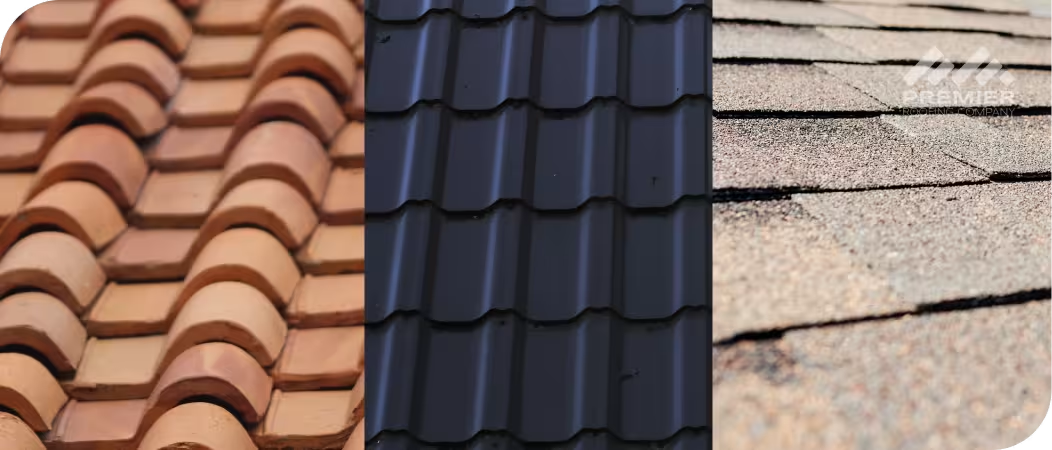
Different roofing materials offer varying returns on investment. Asphalt shingles provide strong ROI and appeal to the widest range of buyers. Metal roofs appeal to buyers seeking 50+ year solutions and increased durability, while tile and slate roofs provide premium aesthetic value in high-end markets.
Market Conditions
Local housing demand plays a major role in determining ROI. In competitive markets, buyers prioritize move-in-ready homes, making a new roof a valuable selling point. In milder climates, the value increase may be more subtle but remains a vital component of a home's overall marketability.
Condition of the Existing Roof
A failing roof significantly reduces home value. Replacing it before selling prevents buyer hesitation, inspection failures, and price reductions.
Roofing Materials and Their Effect on Property Value
Not all roofing materials influence marketability or financial return in the same way. The best choice for your home depends on architectural style, local climate, and long-term goals. Choosing a material that balances upfront cost with what buyers in your area want helps protect and grow your home’s value. Before you decide, check this guide on how to choose a roofing material that complements your home.
Asphalt Shingles
Asphalt shingles remain the most common residential roofing material because they are affordable, versatile, and widely accepted by buyers. They typically deliver a return of about 60 to 70 percent. With a lifespan of 20 to 30 years and a broad range of colors and styles, they fit most neighborhoods comfortably. If you are evaluating durability and replacement timing, it helps to understand how long asphalt shingles last before making a decision.
Metal Roofing
Metal roofing is known for strength and longevity, often lasting 40 to 70 years. While the upfront cost is higher than asphalt, it can deliver a return between 49% and 65%. Buyers value its durability, energy efficiency, and performance in hail or storm-prone regions. In certain markets, that resilience becomes a strong selling point.
Tile or Clay Roofing
Ideal for warmer climates, these materials resist heat absorbption to lower cooling costs. Their distinct, upscale aesthetic significantly boosts marketability in high-end neighborhoods where Mediterranean or Mission-style architecture is prevalent. Tile roofing enhances curb appeal and resale value in luxury markets and warm climates.
Slate Roofing
Slate represents the premium tier of roofing materials. It offers exceptional longevity and a timeless appearance that appeals to buyers in upscale real estate markets. While installation costs are high, slate’s durability and prestige can strengthen value in luxury properties where architectural quality plays a major role in buyer perception.
Signs It’s Time to Replace Your Roof Before Selling
When you're preparing to sell your home, you must assess your roof's condition. If your roof shows visible wear, leaks, or structural damage, replacing it before listing your home can prevent costly negotiations and delays. Buyers often view roof replacement as a major expense and may reduce their offer accordingly.
Key Warning Signs of Roof Deterioration
Watch for these specific indicators that your roof may require a full replacement to maintain your home's value:
- Shingle Damage: Cracked, curling, or missing shingles are clear signals that the material has reached the end of its functional life, leaving the structure vulnerable to water infiltration.
- Active Leaks or Stains: Water spots on ceilings or walls indicate that the roof's primary barrier has failed. Left unaddressed, these leaks lead to mold, rot, and expensive structural repairs.
- Weather-Related Compromises: High winds can strip shingles, while hail creates fractures in the shingle matting. Even if not visible from the ground, this damage weakens the roof's integrity.
- Sagging Roofline: Areas that appear to sag or dip suggest serious structural issues or rotted decking. This is a major red flag that will almost certainly deter buyers and fail a professional home inspection.
- Granule Loss: Finding sand-like particles in your gutters or around your downspouts indicates that the shingles' protective layer is washing away, signaling advanced aging and a loss of weather resistance.
Roof Replacement Financing Solutions
Replacing a roof is a major investment, but financing can make it manageable. Instead of delaying repairs, homeowners can complete the project now and spread payments over time. This protects the home from further damage and helps maintain property value. Flexible payment plans allow you to choose terms that match your budget. Explore our Roof Replacement Financing Options to find a solution that supports both your home and your finances.

Maximizing the Value of Your New Roof
To keep your new roof in peak condition and ensure it remains a selling point for years to come, follow these essential guidelines:
- Routine Gutter Maintenance: Ensure your gutters and downspouts are clear of debris. Clogged gutters can cause water to back up under the shingles, leading to rotted eaves and interior leaks that are not typically covered by insurance if deemed a maintenance failure.
- Annual Professional Inspections: Even a new roof should be inspected annually or after major weather events. Our experts can do a free thorough check to identify the issues such as loose flashing or minor wind damage, before they escalate into costly structural problems.
- Keep Warranties Accessible: Maintain a file with all your roofing documents, including material warranties and the contractor’s workmanship guarantee. Having these records ready provides invaluable peace of mind to future buyers and streamlines any future insurance claims.

Frequently Asked Questions

BLOG
Premier Roofing & The Press

13 Best Roofing Companies in Charlotte, NC in 2026 | Premier-Roofing.com
A lot of homeowners in Wichita end up replacing their roof sooner than expected, not because it was necessary, but because the damage wasn’t properly assessed early on. It happens more often than people think. If you’re searching ...
15 Best Roofing Companies in Raleigh, NC in 2026 | Premier-Roofing.com
A lot of homeowners in Wichita end up replacing their roof sooner than expected, not because it was necessary, but because the damage wasn’t properly assessed early on. It happens more often than people think. If you’re searching ...

15 Best Roofing Companies in Dallas, TX in 2026 | Premier-Roofing.com
A lot of homeowners in Wichita end up replacing their roof sooner than expected, not because it was necessary, but because the damage wasn’t properly assessed early on. It happens more often than people think. If you’re searching ...



 COMPANY
 CUSTOMERS
 RESOURCES