
Roofing is expensive, time sensitive, and stressful, especially after hail or wind. That pressure is exactly why the roofing industry is one of the most targeted for scams. Some contractors use urgency, confusing paperwork, or “too good to be true” promises to get a signature or a deposit. This guide breaks down the most common roofing scams, the red flags to watch for, and the steps that help you hire a legitimate roofer.
A professional inspection from a trusted local contractor gives you clear documentation of your roof’s condition without pressure. Request a professional roof inspection from Premier Roofing to understand your options before committing to any contractor.
TL;DR - Will a New Roof Increase Appraisal Value?
Roofing scams spike after storms when homeowners feel pressure to act quickly.
Common red flags:
- Large upfront cash deposits
- No written contract or vague paperwork
- Pressure to sign immediately
- Offers to “waive” your insurance deductible
- No local office or verifiable presence
What legitimate contractors provide:
- Active license and insurance documentation
- Detailed written scope and pricing
- Clear explanation of the insurance process
- A real local team with long-term community presence
If you're feeling pressured or confused, take a moment to pause. Reputable roofing companies will prioritize transparency and accountability rather than urgency.
Table of Contents
6 Most Common Roofing Scams
1. Storm Chasers
After a hail or wind storm, out-of-state crews often enter neighborhoods claiming they’re nearby. They may offer a quick inspection, a contract, and a deposit to “hold your spot.” The risk is accountability, meaning that once they leave town, workmanship issues, warranty claims, and follow-up repairs are hard to enforce. Due to a lack of a local office, accountability is nearly impossible. Prioritize roofers with a local office, local references, and ongoing service.
You can easily identify a storm-chaser , AKA roof repair scammer, if they don’t have a company ID or uniform (such as a logo shirt), don’t offer a credible business card (such as only listing a P.O. box as their address), or don’t appear to have a permanent address or online presence. Ask the salesperson about the company’s license and see how they respond. It’s easy enough to verify the company’s existence and credibility online and by checking customer reviews.
2. Suspiciously Low Bids
A bid that comes in significantly lower than 2-3 other reputable estimates is a major red flag. Roofing costs are based on fixed factors like material quality, skilled labor, safety requirements, and code compliance. Scam contractors often underbid to win the job, then cut corners using inferior materials or uninsured labor. In other cases, they increase the price after tear-off by claiming “hidden damage.” Always request at least three detailed, itemized estimates to understand the true market cost and avoid roofing scams.
Replacing a roof is more than just materials and labor. There are many other factors including the size and pitch of the roof, extent of damage (for a roof repair), permits, and cost of roofing squares (the cost to cover a 10’ x 10’ area). When choosing a roofing contractor, it is important to get several bids to know the average cost to replace your roof. A roofing contractor who underbids the job may lead to poor installation, short cuts, and a lower lifespan of your new roof.
We’ve also seen roofers who waive the insurance deductible and then add it back to the total roof cost. So while your cost out of pocket may seem lower, you end up paying for the deductible in the end. This is technically insurance fraud, which can land you in hot water with your insurance company.
3. Mysterious Damage Claims
Some dishonest contractors exaggerate or fabricate damage to justify unnecessary roof replacements. They may crease shingles, show unrelated photos, or present loose granules as “proof” of failure. In reality, normal wear does not always require replacement. Legitimate contractors provide clear photo and video documentation from your actual roof and explain findings transparently. Understanding the proper inspection and insurance process helps homeowners verify damage and avoid roofing scams or inflated claims.
4. Permit and Insurance Fraud
If a contractor asks you to pull the building permits yourself, it may signal they are unlicensed or attempting to avoid legal responsibility for the project. Licensed roofing contractors handle permits as part of a compliant installation. Another serious red flag is offering to “waive” or “absorb” your insurance deductible. In many states, this is considered insurance fraud. Homeowners can also face liability if they participate in inflated invoicing schemes. Review how insurance deductibles work before agreeing to any arrangement.
5. High-Pressure Sales Tactics
Disreputable roofing contractors often rely on urgency and pressure to force quick decisions. They may claim their offer “expires today,” warn that your roof is in immediate danger, or insist you must sign before your insurance deadline passes. These tactics are designed to prevent you from comparing estimates or verifying credentials. A reputable roofing contractor will never rush you into a contract. Instead, they will provide a detailed inspection, written documentation, and time to review your options. If you feel pressured, pause and contact a trusted local roofing company for a professional inspection.
6. Large Cash Deposits Upfront
One of the most common roofing scams involves demanding a large cash deposit before any materials are delivered or work begins. Scammers may request 50% or more upfront, often insisting on cash or other untraceable payment methods. In some cases, they disappear after collecting the deposit or delay the project indefinitely. Reputable roofing companies have established supplier relationships and typically require only a modest deposit, which is about 10-15% to secure scheduling. Payments should follow clear project milestones, and homeowners should always use traceable payment methods and avoid paying in full before completion.
The Checklist: What Are the Warning Signs
Recognizing the usual predatory tactics early can prevent costly mistakes. Roofing insurance scammers rely on urgency, vague documentation, and lack of accountability to exploit homeowners after storms. Understanding these red flags helps you avoid fraudulent contractors and ensure your roof is repaired by a qualified, licensed professional who stands behind their work.
Absence of a Comprehensive Written Contract
A handshake might feel personal, but in the construction industry, it offers zero legal protection. Professional roofing contractors always provide a detailed, legally binding agreement before any work begins. A high-quality contract must include:
- Detailed Project Scope: Exactly what will be done.
- Material Specifications: Specific brands, types, and colors of shingles or underlayment.
- Defined Timeline: Clear start and estimated completion dates.
- Transparent Payment Structure: Deposit amounts and milestone-based payments.
- Warranty Terms: Both manufacturer and workmanship warranties.
- Change Order Protocols: How "unforeseen issues" are documented and billed.
If a roofer provides a vague, one-page summary or refuses to put verbal promises in writing, it is a definitive sign of a roofing scam.
Lack of a Verifiable Business Presence
A legitimate roofing company maintains a verifiable local presence, including a physical office address, professional website, and established reputation in the community. Scammers often operate without permanent locations, making them difficult to contact if issues arise. Before hiring, verify the company’s address, read independent reviews, and confirm their business history. Established companies like Premier Roofing demonstrate long-term accountability through with 20+ years of service and strong local reputation signals like BBB A+ ratings.
Hesitation to Provide Insurance or Licensing Proof
Contractors involved in roofing insurance scams often avoid providing proof of licensing or insurance coverage. A legitimate roofing company should readily supply General Liability and Workers’ Compensation certificates along with their contractor license. Without proper coverage, homeowners may be financially responsible for property damage or worker injuries. Always verify documentation directly with the insurance provider to ensure the contractor is properly insured and legally authorized to perform roofing work.
Shifting the Responsibility of Building Permits
Licensed roofing contractors are responsible for obtaining permits and ensuring all work complies with local building codes. If a contractor asks you to pull permits yourself, it may indicate they are unlicensed or attempting to avoid inspections. This creates significant risk for homeowners, including failed inspections, fines, and improper installation. Professional roofing companies handle the permitting process to ensure legal compliance and protect homeowners from liability as part of a standard professional roof installation service.
Poor Communication Post-Payment
Communication is a reflection of professionalism. Dishonest contractors may become difficult to reach, delay scheduling, or provide vague updates once a deposit is collected. Professional roofing companies maintain consistent communication throughout the project, providing clear timelines, progress updates, and responsive customer service. Reliable communication reflects accountability and ensures homeowners remain informed throughout the roof repair or replacement process.
Unjustified or Constant "Cost Creep"
Unexpected price increases without proper documentation are a common tactic used in roofing scams. While legitimate structural issues may occasionally require adjustments, trustworthy contractors provide written change orders with photo evidence and clear explanations. Scammers often demand additional payment without justification. Transparent pricing, detailed estimates, and documented change approvals help protect homeowners from fraudulent charges and unexpected financial risk.
How to Avoid Roofing Scams
Verify Licensing and Insurance
Verifying licensing and insurance is one of the most effective ways to avoid roofing insurance scams. Licensed contractors meet state requirements for safety, training, and professional standards. Always request proof of General Liability and Workers’ Compensation insurance and confirm coverage directly with the insurance provider. This verification protects homeowners from liability and ensures the contractor is qualified to perform roofing work safely and legally.

Ask for Local References
Reputable roofing companies have a proven track record in the local community. Request at least three references from recent projects completed in your immediate area and verify customer experiences directly. Established contractors can demonstrate consistent service quality, proper installation practices, and reliable communication. Local references provide confidence that the contractor will remain accountable long after the project is completed.
Research Reviews and Business History
Researching a company’s business history and reviews helps identify potential roofer scams and is a primary indicator of stability. Check independent platforms such as Google, Yelp, and the Better Business Bureau for complaints, ratings, and customer feedback. Roofing scam contractors often have limited history, inconsistent branding, or unresolved complaints. Established roofing companies maintain strong reputations through consistent service and customer satisfaction.
Never Pay Large Cash Deposits
Never give an unsolicited roofing contractor an upfront deposit. If your roof sustains damage from a storm, you should first call your insurance agent, who will send an adjuster to inspect the damage and initiate the claim process. If a roofing contractor shows up unannounced with an estimate in hand and requests a deposit, close the door, or disconnect the call.
Be Careful with Door-to-Door Sales
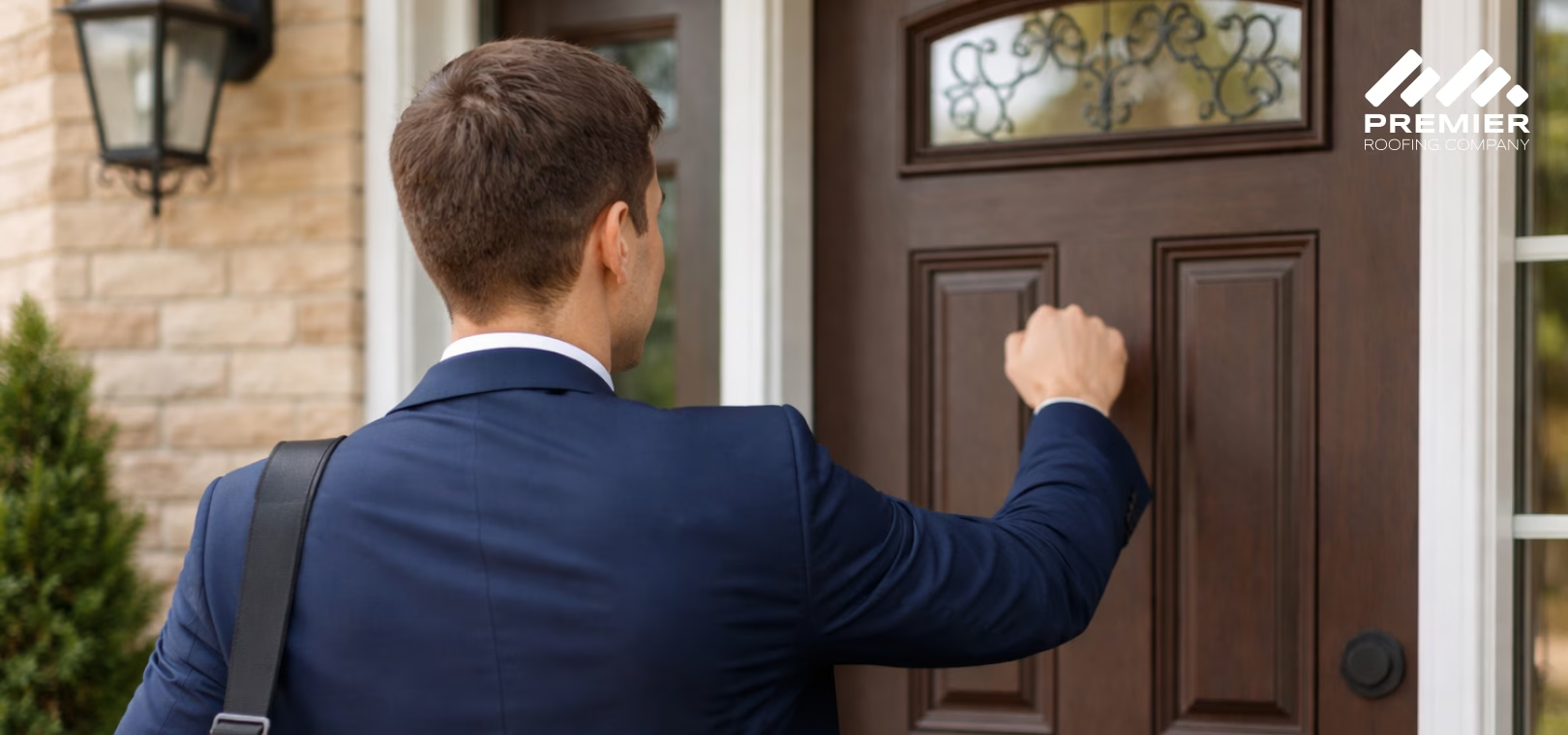
Some roofing companies practice door-to-door sales, but they will have proper ID as a representative from a company and won’t pressure you to sign a contract or pay anything upfront. This is a completely different scenario from having multiple roofing companies door-knock and blanket neighborhoods with flyers and yard signs after a storm. You want to choose a reputable roofing contractor to replace your roof, which means being careful with door-to-door salespeople.
Get Everything in Writing
Never accept an on-the-spot, handshake agreement with a roofing contractor. A reputable roofing contractor will provide a detailed written estimate that breaks down the costs of materials, labor, permits, timeframe for completion, etc.
To better understand the level of detail required for a legitimate insurance-backed project, you can review the Premier Roofing insurance process to see how professional documentation protects the homeowner.
How to Check if a Roofing Company Is Legit
Knowing how to check if a roofing company is legit helps you avoid costly problems down the road. Start by confirming that the contractor is properly licensed and insured in your area. Legit companies will gladly show proof of both because it protects you if something goes wrong.
Look into the company’s history by checking how long they’ve been in business and reading real customer reviews. Established firms with a positive track record are more likely to deliver quality work and stand behind their services.
Always get a written estimate that outlines materials, timelines, warranties, and payment terms. Ask for verifiable references from past customers so you can hear firsthand about their experiences.
For more detailed guidance on picking the right roofing contractor, check out this resource on choosing a roofer.
Premier Roofing: Your Trusted Local Roofing Partner
If you have the misfortune of sustaining roof damage due to a storm, take a deep breath and start taking photos. Next, call your insurance agent to start the claims process. Your insurance adjuster will most likely recommend a trusted roofing contractor who has a proven track record with the insurance company. Listen to their advice and don’t fall for storm-chaser scams. It is important that you choose the right roofer to complete your roof restoration job.
Premier Roofing has a solid reputation with insurance companies across the nation and has helped thousands of homeowners replace their roofs after a major storm. You can feel confident in working with Premier, from the initial roof inspection to navigating the insurance claims process and installation of your new roof and avoid a roofing scam. We only use the highest-quality materials and back our roofing jobs with a 10-year workmanship warranty to ensure your new roof lasts for years to come. Schedule a roof inspection for your residential, business, or multi-family roofing needs today.
Frequently Asked Questions
BLOG
Premier Roofing & The Press

13 Best Roofing Companies in Charlotte, NC in 2026 | Premier-Roofing.com
A lot of homeowners in Wichita end up replacing their roof sooner than expected, not because it was necessary, but because the damage wasn’t properly assessed early on. It happens more often than people think. If you’re searching ...
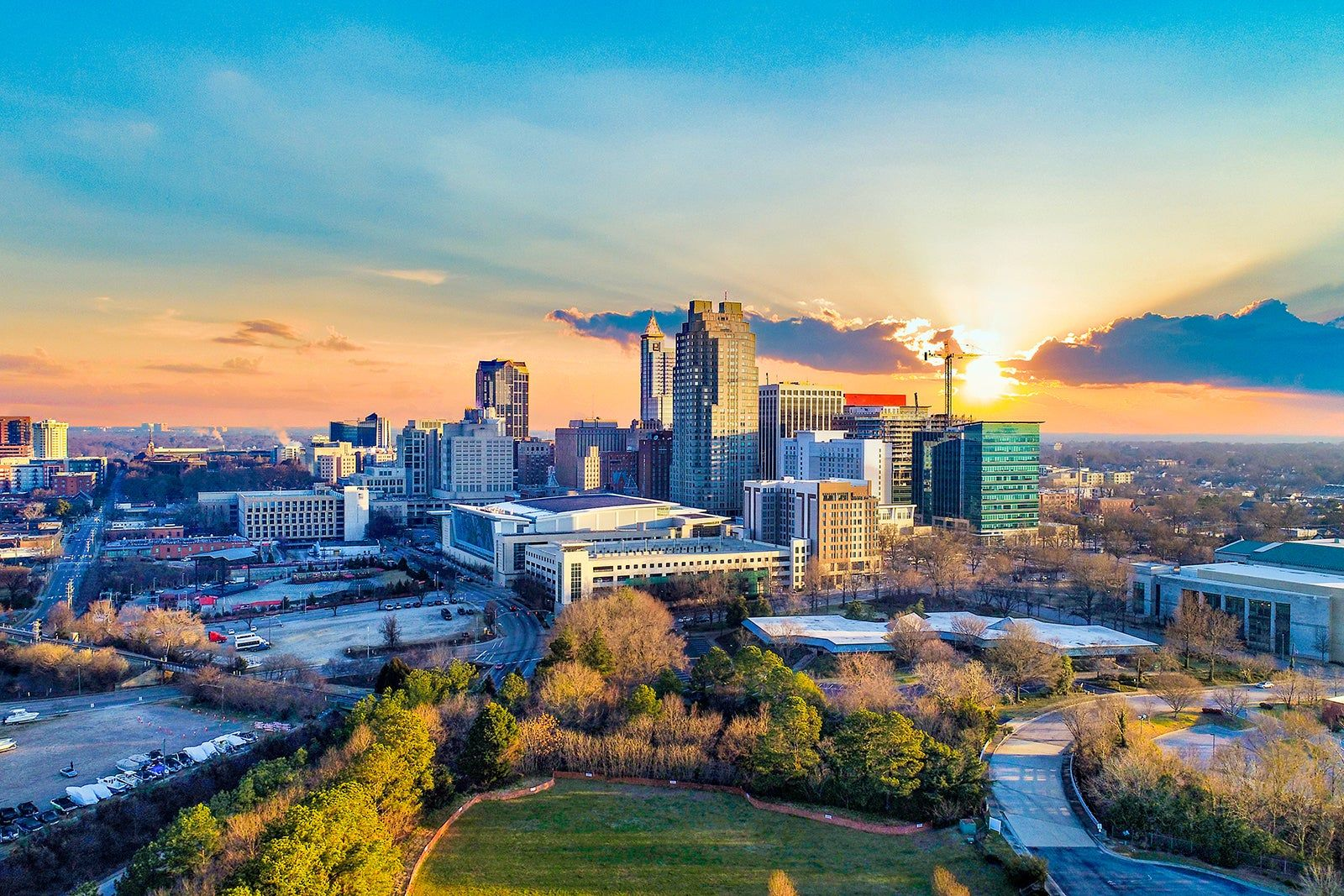
15 Best Roofing Companies in Raleigh, NC in 2026 | Premier-Roofing.com
A lot of homeowners in Wichita end up replacing their roof sooner than expected, not because it was necessary, but because the damage wasn’t properly assessed early on. It happens more often than people think. If you’re searching ...
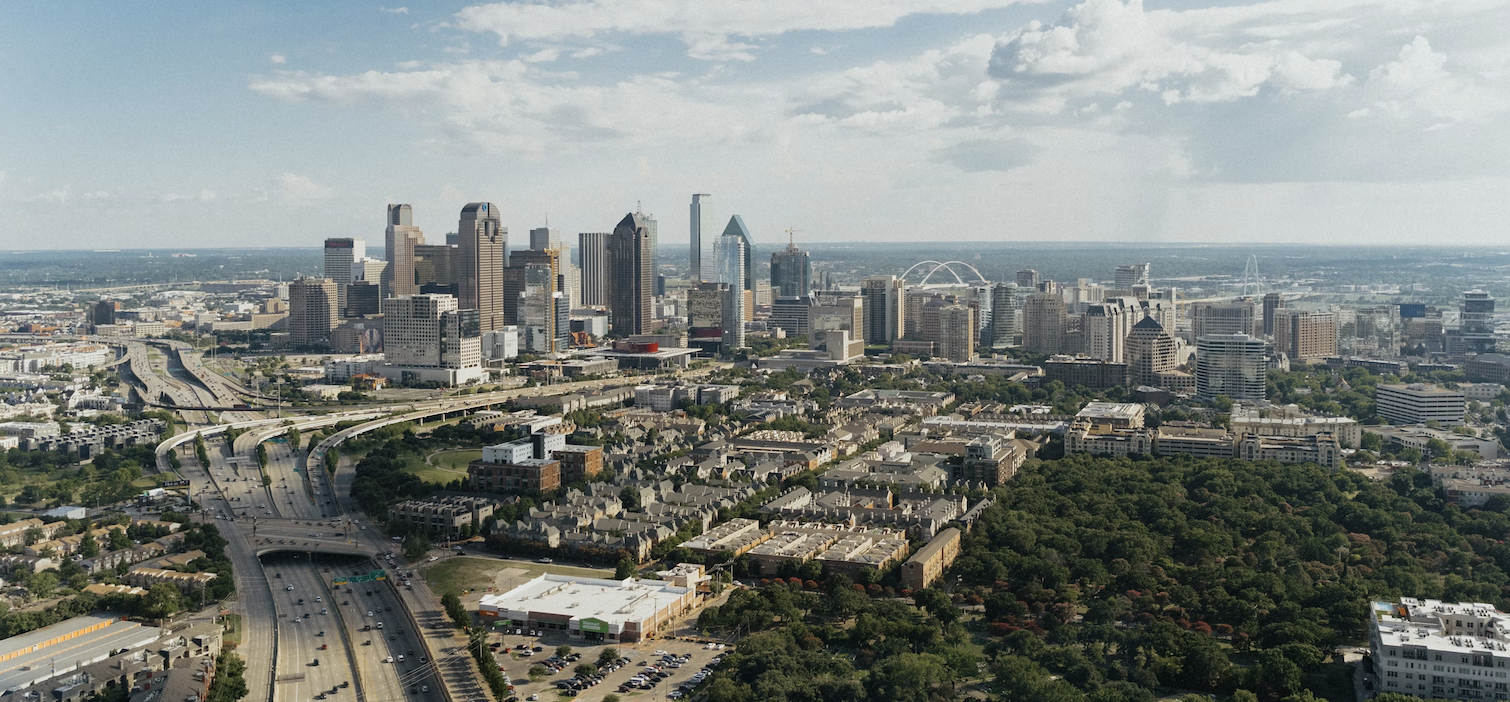
15 Best Roofing Companies in Dallas, TX in 2026 | Premier-Roofing.com
A lot of homeowners in Wichita end up replacing their roof sooner than expected, not because it was necessary, but because the damage wasn’t properly assessed early on. It happens more often than people think. If you’re searching ...


 COMPANY
 CUSTOMERS
 RESOURCES