

You might be researching how to handle your upcoming roof project and wondering if you can save time and money by installing new shingles right over your old ones. This practice is often called a re-roof or an overlay. While an overlay may seem tempting, it comes with significant trade-offs. Before you proceed, you need to fully understand the pros and cons of roofing over existing shingles.
Here is a clear look at the advantages and disadvantages of choosing an overlay instead of a full tear-off.
TL;DR: Can You Roof Over Existing Shingles?
In general, you can roof over existing shingles in certain situations, but it is rarely the best long-term choice.
A roof overlay means installing a new roof over old roof materials instead of tearing everything down to the decking. In simple terms, it is putting shingles over shingles. The appeal is clear. You reduce labor costs, skip disposal fees, and finish the job faster. There is less mess and less disruption around your home.
The downside is what you cannot see. Roofing over existing shingles prevents a full inspection of the decking underneath. Any hidden rot, moisture damage, or failing flashing stays buried. The extra weight also increases structural stress, especially in snow-prone regions. Trapped heat between layers can shorten the life of the new shingles. Warranty coverage may also be limited compared to a full tear-off.
If your roof has only one layer and the structure is confirmed sound, a roof overlay may be allowed. For maximum lifespan and protection, a full tear-off is usually the better investment.
Table of Contents
What Is a Roof Overlay?
A standard roof replacement removes all old materials down to the wood decking before installing new components. A roof overlay works differently. Instead of tearing everything off, contractors install new shingles directly on top of the existing layer. In simple terms, it is putting a roof over existing roof materials.
At first glance, this sounds like added protection. In reality, you are only replacing the top layer while leaving the system underneath untouched. A roof is more than shingles. It includes decking, underlayment, flashing, and ventilation that all work together to protect your home.
When you choose a roof overlay, you lose the opportunity to inspect the decking for rot, soft spots, or water damage. You also leave the old underlayment in place, even if it has deteriorated. Any hidden storm damage or flashing issues remain buried.
While a roof overlay can reduce upfront cost and speed up installation, it adds extra weight and may limit warranty coverage. The short-term savings can lead to long-term risks if underlying issues go unnoticed.
When Is Roofing Over Existing Shingles Typically Considered?
Roofing over existing shingles can seem like a practical shortcut. It reduces labor, limits debris, and lowers upfront cost. But this option only makes sense under specific conditions. Not every roof qualifies for an overlay.
First, there must be only one existing layer of shingles. Most building codes prohibit installing a third layer because of the added structural weight. If your roof already has two layers, a full tear-off is required.
Second, the current shingles must be flat and in relatively good shape. If they are curled, cracked, or missing, the new layer will not sit properly. That uneven surface can shorten the life of the new roof.
Third, the roof deck underneath must be sound. Since a roof overlay skips full removal, you will not see the decking. You need confidence that there is no hidden rot or moisture damage.
Finally, local codes must allow it. Even when roofing over existing shingles is permitted, a full tear-off still offers better long-term performance and lifespan.
The Pros
Lower Immediate Cost
One of the main reasons homeowners consider roofing over existing shingles is cost. A roof overlay reduces upfront expenses because it removes the most labor-intensive part of the project: tearing off and disposing of the old roof.
Without demolition, crews can move straight into installation. That means you avoid tear-off labor costs, dumpster fees, and disposal charges. The job typically finishes faster, which also reduces total labor hours. In some cases, you may see small material savings since the focus is strictly on installation rather than removal and structural repairs.
For homeowners managing a tight budget, this can feel like a practical solution. You get a refreshed exterior and improved curb appeal without the higher price tag of a full replacement.
However, the immediate savings only make sense if the existing roof structure is in solid condition. If hidden issues like water damage exist beneath the surface, roofing over existing shingles can lead to more expensive problems later.
Faster Installation Timeline
Another reason homeowners consider installing a new roof over old roof materials is speed. Since the tear-off phase is skipped, the project moves much faster than a full replacement. Crews do not need to remove and haul away old shingles before installing the new layer.
A shorter timeline means less disruption around your home. There is less noise, fewer trucks, and a smaller construction window overall. Your daily routine returns to normal sooner. Because the original shingles stay in place, the roof deck is not fully exposed during the process. That can reduce the risk of sudden weather interruptions while the new layer is being installed. Cleanup is also faster. With no large tear-off debris, the job site tends to stay more controlled and organized.
Less Construction Debris
One clear advantage of a roof overlay is the reduced mess. A full tear-off creates large amounts of debris, including old shingles, nails, and underlayment. Dumpsters fill quickly, and cleanup takes time. With a roof overlay, that demolition step is skipped.
Because the original shingles stay in place, far less material is removed from your home. That means less waste heading to the landfill and a tidier job site overall. There are fewer loose shingles in the yard and less risk of stray nails around landscaping. Crews still perform a magnetic sweep, but the cleanup process is much simpler.
The Cons
Structural Weight Considerations
When you install shingles over shingles, you effectively double the dead load pressing down on rafters and trusses. Your roof is already engineered to support its original materials along with live loads like snow, ice, and wind. In colder climates, heavy snowfall and ice buildup add significant stress. When you add another layer, you reduce the safety margin built into the structure. Over time, that extra weight can contribute to sagging, framing stress, or weakened decking, especially in older homes. While problems may not appear immediately, the structural strain is constant.
Hidden Decking Conditions
When you install shingles over shingles, you eliminate the opportunity to inspect the roof deck underneath. While this approach may save time and money upfront, it means you are assuming the wood decking is still solid. If there is hidden rot, soft spots, or past moisture damage, the new shingles will be attached to a compromised surface. That weak foundation can lead to movement, uneven fastening, and early failure.
Leaks can also remain undetected. Slow water intrusion may have damaged insulation, framing, or flashing around vents and chimneys. Without removing the original layer, those issues stay buried. A full tear-off allows the decking and underlying components to be properly evaluated and repaired before new materials are installed, giving your roof a stronger, longer-lasting base.
Heat Retention and Moisture Dynamics
When you choose roofing over existing shingles, you are adding more than just another layer of material. You are changing how heat and moisture move through your roof system. A roof depends on proper ventilation to release warm air and moisture from the attic. When a second layer is added, airflow can become restricted.
Trapped heat builds between the layers, causing the new shingles to run hotter than designed. Over time, that excess heat accelerates aging and can shorten their lifespan. Moisture vapor may also become trapped, increasing the risk of deck deterioration or condensation damage. While an overlay may reduce upfront costs, it can quietly compromise long-term performance by disrupting the natural balance your roof relies on to stay dry and stable.
Recognizing the usual predatory tactics early can prevent costly mistakes. Roofing insurance scammers rely on urgency, vague documentation, and lack of accountability to exploit homeowners after storms. Understanding these red flags helps you avoid fraudulent contractors and ensure your roof is repaired by a qualified, licensed professional who stands behind their work.
Warranty and Manufacturer Specifications
A new roof comes with the expectation of strong warranty protection. However, manufacturer warranties are only valid when installation guidelines are followed exactly. Every shingle brand outlines specific requirements for layering, fastening, underlayment, and flashing. If those standards are not met, coverage can be reduced or voided entirely.
When you choose an overlay instead of a full tear-off, warranty protection is often limited. Many manufacturers provide their strongest, non-prorated coverage only when shingles are installed directly on clean decking. Adding a second layer can restrict warranty terms, shorten coverage periods, or eliminate certain protections. It is also important to confirm the maximum number of layers allowed, as exceeding that limit typically voids the warranty. Proper documentation from your contractor is essential to ensure eligibility if you ever need to file a claim.
Comparing Overlay vs Full Tear-Off
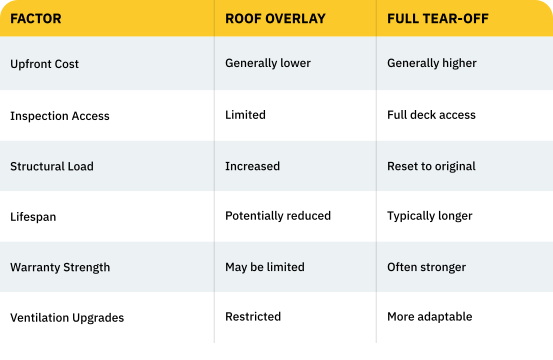
The difference between a roof overlay and a full tear-off becomes clear when you look at what happens beneath the surface.
With a full tear-off, everything is removed down to the decking. That gives you structural clarity. The roof deck can be inspected for rot, soft spots, or water damage, and any compromised sections can be replaced before new shingles go on. You are not guessing about the condition of the foundation your roof sits on.
A tear-off also allows for upgraded protection. New ice and water barriers can be installed in vulnerable areas to prevent leaks from wind-driven rain or ice dams. Flashing around chimneys, vents, and valleys is replaced instead of reused. Ventilation can be evaluated and adjusted to improve airflow, which helps extend shingle life and improve energy efficiency.
An overlay may reduce upfront cost, but evaluating these factors helps you choose the best long-term option. For more guidance on when to repair instead of replace, review our roof repair vs roof replacement decision guide.
Let Our Experts Install Your Roof the Right Way
A new roof is not a short-term upgrade. It is long-term protection for your home. That is why cutting corners with an overlay can create more risk than savings. Installing shingles over existing layers may look efficient, but it can hide structural issues, add unnecessary weight, and limit your warranty coverage.
A full tear-off gives you clarity. By removing the old materials, the roof deck can be properly inspected. Any hidden rot, water damage, or weak spots can be repaired before new materials are installed. That clean foundation allows shingles to seal correctly, perform as designed, and reach their full lifespan.
You also avoid adding excess weight to your framing system. The finished roof sits flat, looks better, and performs better in severe weather. Just as important, proper installation ensures your manufacturer warranty remains fully valid.
Ready to start? You begin with a free, no-obligation roof inspection. Our local experts examine your home, business, or multi-family property to give you the honest assessment you need for absolute peace of mind.
Frequently Asked Questions
BLOG
Premier Roofing & The Press

13 Best Roofing Companies in Charlotte, NC in 2026 | Premier-Roofing.com
A lot of homeowners in Wichita end up replacing their roof sooner than expected, not because it was necessary, but because the damage wasn’t properly assessed early on. It happens more often than people think. If you’re searching ...

15 Best Roofing Companies in Raleigh, NC in 2026 | Premier-Roofing.com
A lot of homeowners in Wichita end up replacing their roof sooner than expected, not because it was necessary, but because the damage wasn’t properly assessed early on. It happens more often than people think. If you’re searching ...

15 Best Roofing Companies in Dallas, TX in 2026 | Premier-Roofing.com
A lot of homeowners in Wichita end up replacing their roof sooner than expected, not because it was necessary, but because the damage wasn’t properly assessed early on. It happens more often than people think. If you’re searching ...



 COMPANY
 CUSTOMERS
 RESOURCES