
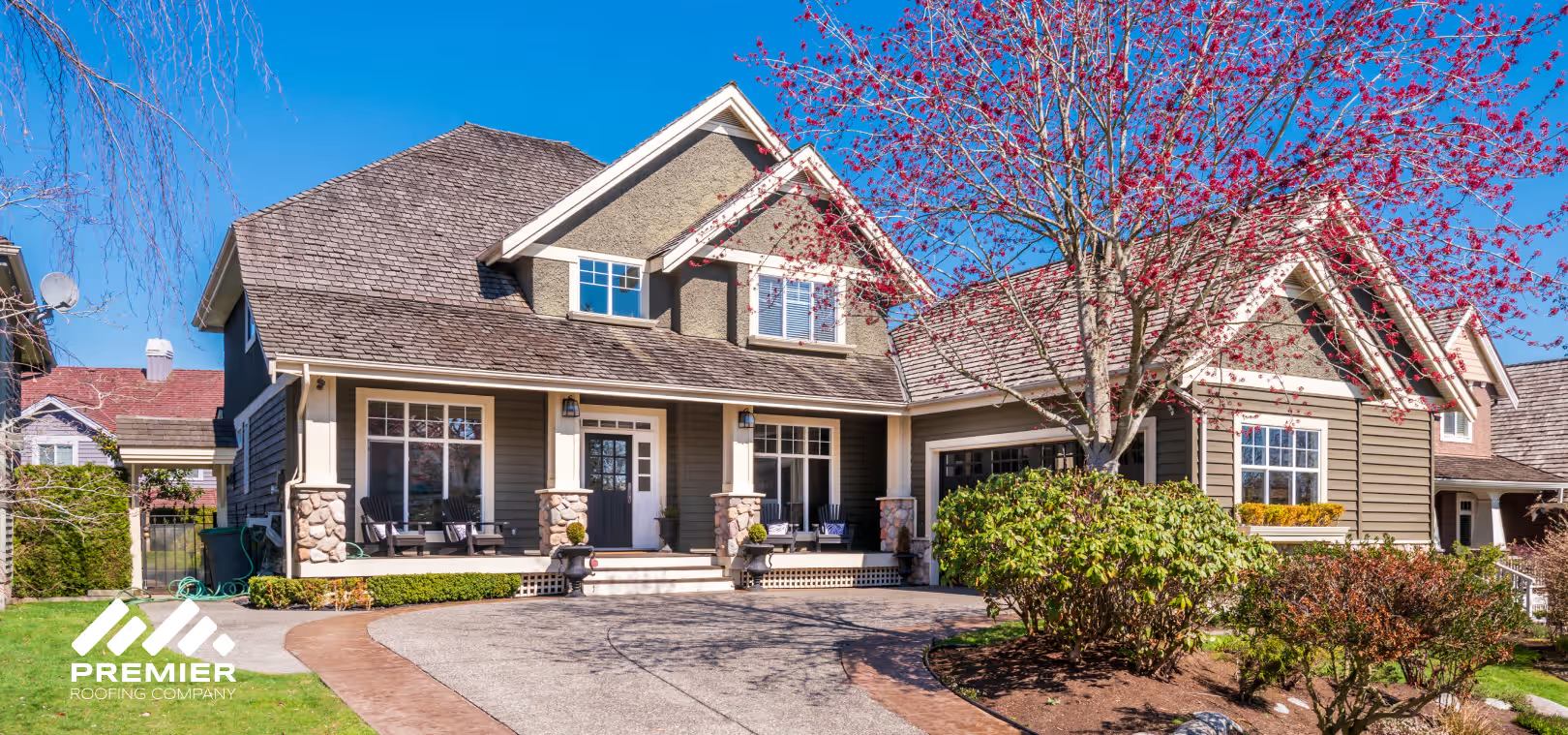
Will a new roof lower electric bill costs? In many cases, yes, but not simply because the shingles are new. A roofing system plays a direct role in your home’s thermal performance. When roofing components degrade, ventilation becomes unbalanced, insulation loses effectiveness, and heat transfer increases. This forces your HVAC system to run longer and work harder to maintain indoor comfort.
An aging or damaged roof allows heat to enter during summer and escape during winter. This increases both cooling and heating demand, raising utility costs and accelerating equipment wear. Replacing the roof restores proper airflow, insulation performance, and moisture protection, which improves overall roof energy efficiency. If rising energy bills have you questioning your roof’s performance, a professional inspection can reveal whether ventilation, insulation, or aging materials are causing energy loss.
Table of Contents
How Roofing Systems Can Lower Home Energy Efficiency
Your roof is part of your home’s thermal envelope which is the barrier that regulates heat transfer between indoor and outdoor environments. When roofing components deteriorate, energy loss increases in predictable ways. Even small failures in ventilation, insulation, or material integrity can reduce roof energy efficiency and increase monthly utility costs.
1. Broken or Damaged Roofing Components
Cracked shingles, deteriorated underlayment, and aging flashing allow uncontrolled air movement. During winter, heated indoor air escapes through gaps in the roofing system. In summer, outside heat infiltrates attic space and transfers downward into the home.
This forces your HVAC system to cycle more frequently to maintain consistent temperatures, increasing electricity usage. Over time, this added workload raises utility costs and accelerates HVAC wear. If your roof shows visible aging or damage, reviewing the warning signs here can help you evaluate replacement needs.
2. Poor Insulation and Heat Transfer
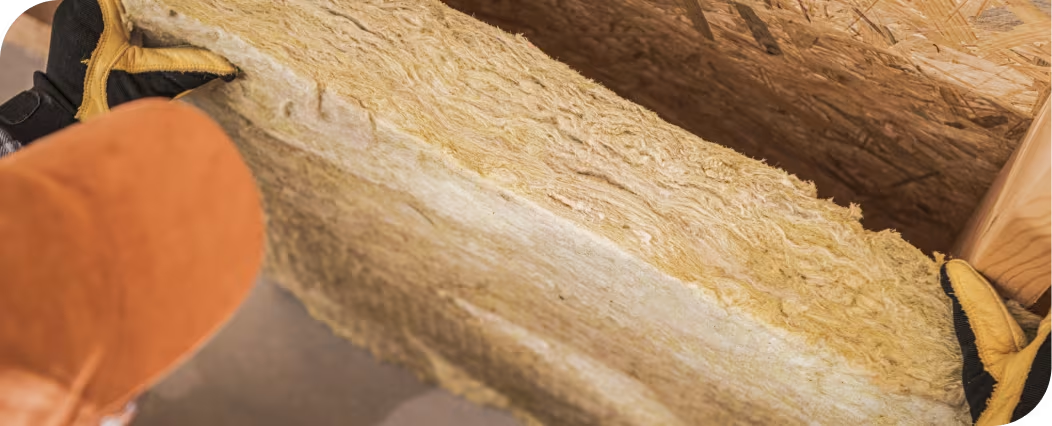
Many homeowners ask whether new shingles help insulate their home. Shingles themselves are not insulation, but replacing a roof often reveals insulation problems that reduce efficiency. Moisture intrusion, air leaks, and compressed insulation reduce its ability to slow heat transfer.
When insulation performance is restored, heat moves more slowly through the roofing system. This improves indoor temperature stability and reduces HVAC workload. Improved insulation helps retain warmth during winter and keeps excess heat out during summer.
This is one of the primary ways a new roof contributes to measurable energy savings.
3. Ventilation Imbalance Under the Roof
Ventilation is one of the most important and most overlooked factors affecting an energy efficient roof. Proper ventilation allows hot air to escape through exhaust vents while drawing cooler air in through intake vents.
When ventilation is unbalanced, heat becomes trapped in the attic. Summer attic temperatures can exceed 140°F, radiating heat into the home below. This forces air conditioning systems to run longer and consume more electricity. Correct ventilation design restores airflow balance, reduces attic heat buildup, and improves roof energy efficiency. If you're unsure about ventilation performance, a professional inspection can identify ventilation problems before they increase energy costs.
4. Roofing Material and Solar Absorption
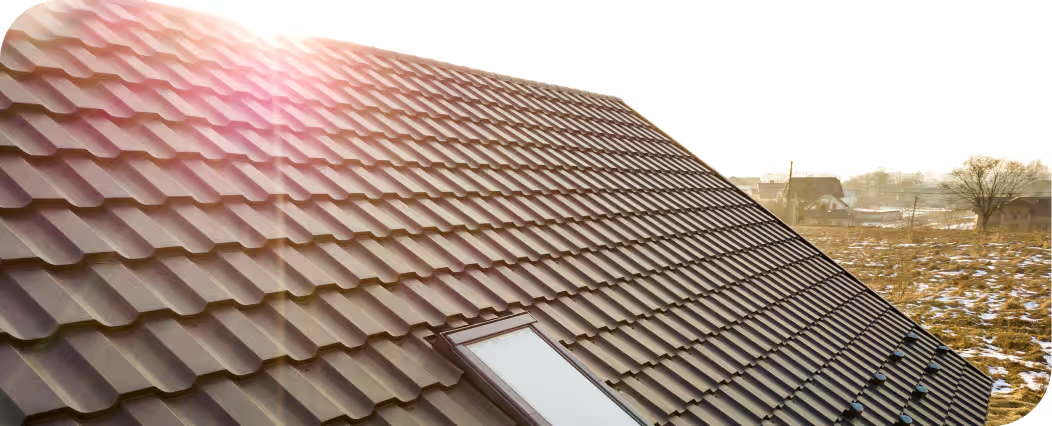
Roofing materials directly affect how much heat your home absorbs. Darker materials absorb more solar radiation, increasing roof surface temperature and attic heat buildup. Modern roofing materials often include reflective granules that reduce heat absorption while maintaining durability.
Improved material performance helps regulate attic temperature and supports overall roof energy efficiency. Proper material selection, combined with ventilation and insulation, improves long-term thermal performance.
How a New Roof Impacts Heating and Cooling Costs
When properly installed, a new roofing system improves airflow balance, insulation effectiveness, and moisture protection. These improvements reduce the workload placed on your heating and cooling systems.
Lower Heating Costs
The improved ventilation and insulation that are components of a new roof will provide relief during the hot summer months. Air will circulate better and reduce your AC bills. In addition, choosing light-colored shingles will reflect the sun’s rays and keep your home cooler.
Lower Cooling Costs
The improved ventilation and insulation that are components of a new roof will provide relief during the hot summer months. Air will circulate better and reduce your AC bills. In addition, choosing light-colored shingles will reflect the sun’s rays and keep your home cooler.
Environmental Impact
Improving roof energy efficiency reduces overall energy consumption. Lower HVAC demand decreases electricity usage and reduces your home’s environmental impact. Even modest efficiency improvements contribute to long-term energy savings and sustainability.
Roof Repair vs Replacement: Which Saves More Energy?
When properly installed, a new roofing system improves airflow balance, insulation effectiveness, and moisture protection. These improvements reduce the workload placed on your heating and cooling systems.
Targeted Roof Repair: The Efficiency "Tune-Up"
Roof repairs can improve efficiency when problems are isolated. Replacing damaged shingles, sealing flashing, or repairing ventilation components can stop energy loss and restore localized performance.
These targeted fixes prevent heat transfer and improve system performance without full replacement. However, repairs cannot fully restore efficiency if insulation, ventilation, or material performance has deteriorated across the entire system.
Full Roof Replacement: The Ultimate Energy Reset
When roofing systems reach 15–20 years of age, material performance, ventilation efficiency, and insulation effectiveness often decline significantly. Full replacement allows contractors and the homeowner to inspect and upgrade all components that affect energy efficiency. This includes restoring ventilation balance, correcting insulation issues, and installing modern materials engineered to reduce heat absorption. New energy saving roofing systems improve thermal performance, reduce HVAC workload, and enhance long-term energy efficiency.
A roof replacement also improves structural protection and increases home value.
This is the time to switch to premium roofing shingles or high end shingles specifically engineered with "Cool Roof" technology to reflect solar radiation. More consumers become cognizant of their carbon footprint, which a new roof will help reduce. By consuming less energy to heat and cool your home, you are making a global difference, however small it may seem.
Get a Free Estimate for Your New Roof
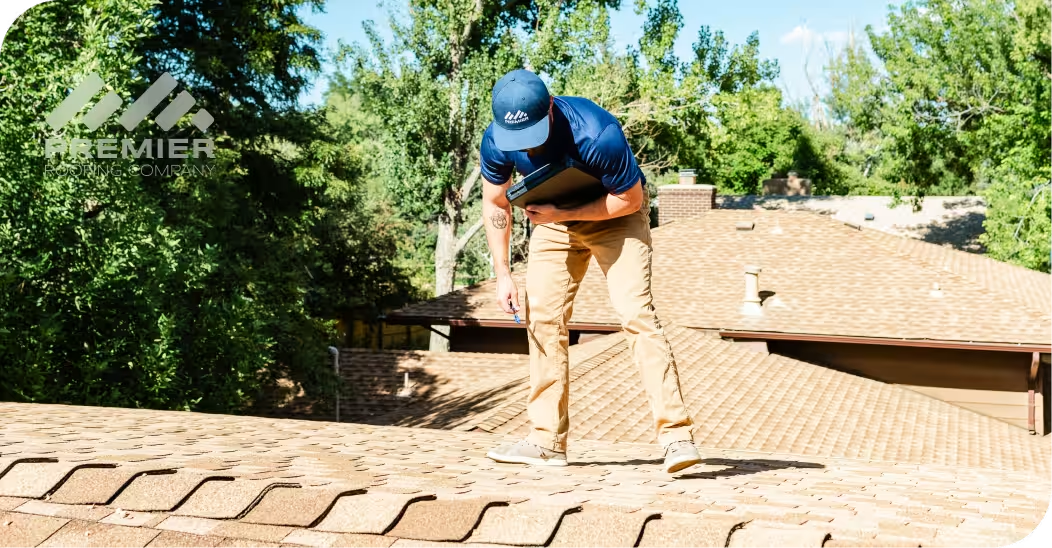
If you are tired of paying too much to heat and cool your home and the problem can’t be tied to your HVAC system, then it’s time to take a look at your roof. Premier Roofing offers free, no-obligation roof inspections and will give you an honest assessment. With locations throughout the nation, you can count on Premier as your trusted local roofing contractor.
We’ll inspect the roof on your home, business, or multi-family buildings so you can soon enjoy lower home insurance premiums and peace of mind.

Frequently Asked Questions
BLOG
Premier Roofing & The Press
Common Roofing Mistakes To Avoid
Your roof is the single biggest expense to replace and avoiding these common mistakes will help your roof last for years to come.
Avoidable Common Roofing Scams
There are a lot of disreputable roofing companies out there. With these tips, you can avoid common scams that roofers use to get your business.
Does a new roof increase a home’s value?
If you are looking for ways to increase the value of your home, take a good look at its appearance - especially the roof.