

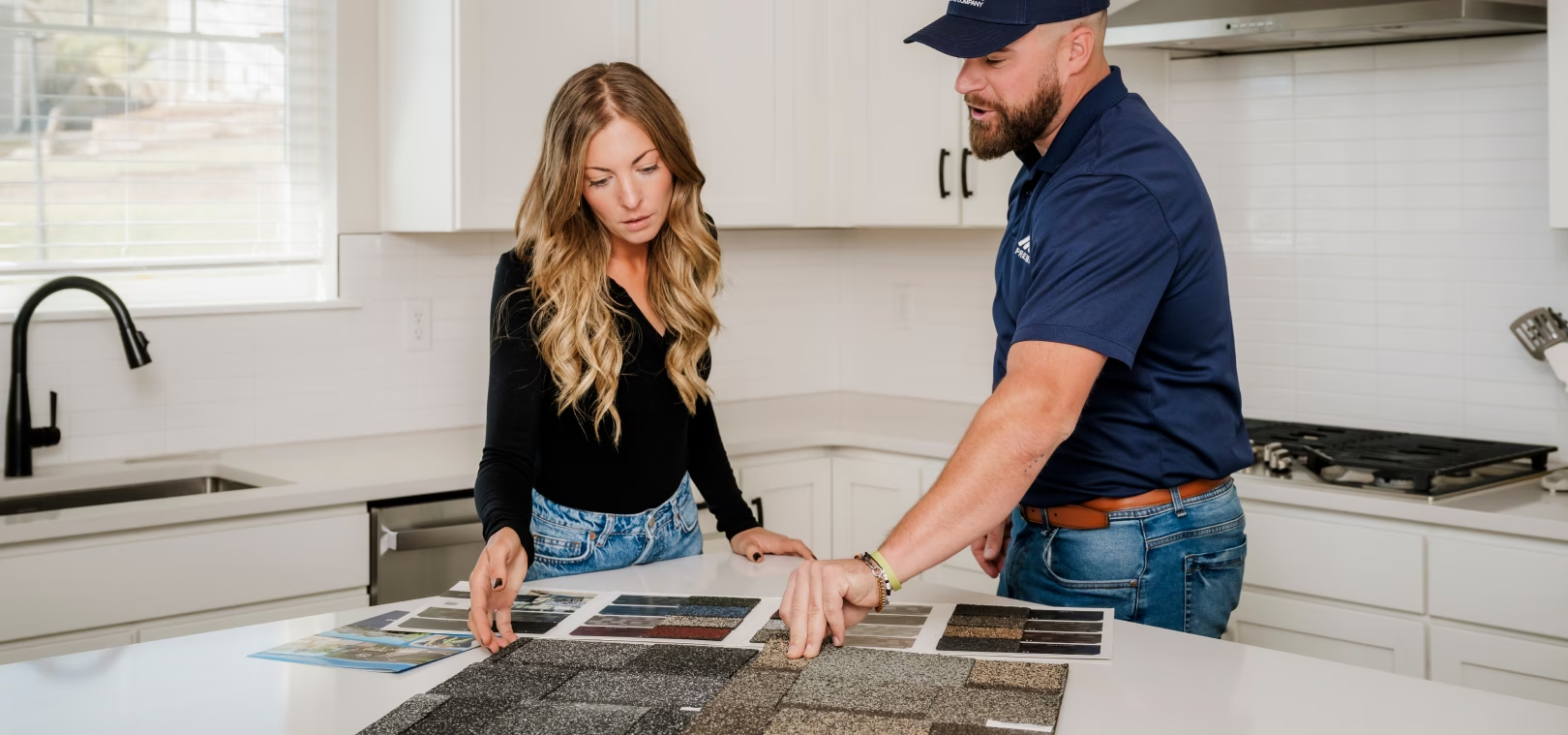
Replacing your roof is not just another home upgrade. It is one of the biggest investments you will make in your property’s protection and long-term value. While color and curb appeal matter, choosing the right roofing materials requires a practical mindset first.
Different types of roofing materials perform differently. Some last 20 years. Others last 70 or more. Some handle hail and wind better. Others shine in hot climates. Cost, durability, maintenance, and structural weight all play a role in the decision. The goal is not simply to pick what looks good. It is to choose roofing materials that fit your budget, your climate, your home’s architecture, and how long you plan to stay.
In this guide, we’ll break down the most common types of roofing materials, compare lifespan and performance, and help you understand what truly matters before you commit. If you’re comparing roofing materials and want to understand what will work best for your home and climate, start with a professional roof inspection before making a final decision.
Table of Contents
5 Most Common Types of Roofing Materials
Choosing between the different types of roofing materials is really about understanding trade-offs. Each material offers a different balance of lifespan, cost, durability, and maintenance. The right choice depends on your climate, budget, and how long you plan to stay in your home.
1. Asphalt Shingles (Standard & Architectural)
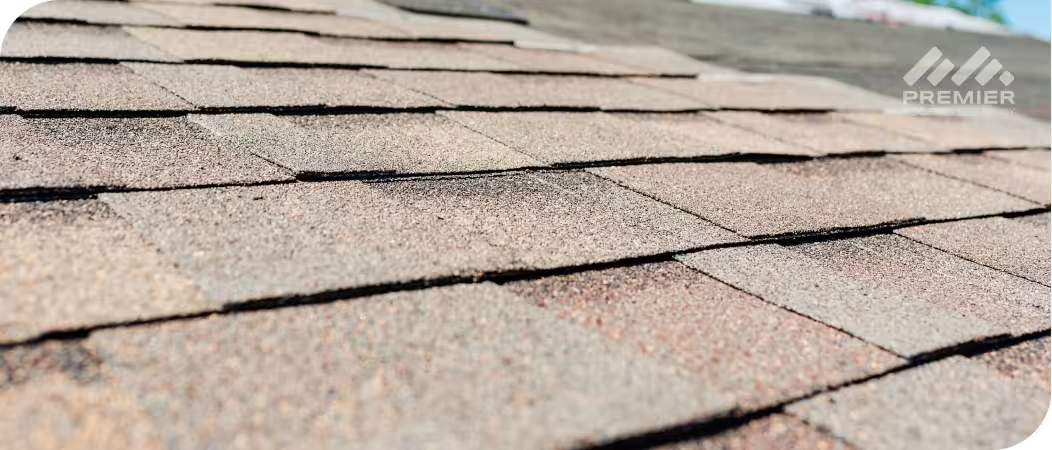
Asphalt shingles remain the most widely used roofing material because they offer reliable protection at a practical price. They strike a strong balance between performance, appearance, and cost, which is why so many homeowners choose them.
At their core, asphalt shingles are built in layers. A fiberglass mat forms the structural base. A thick asphalt coating provides water resistance and seals out moisture. On top, mineral granules protect the surface from UV exposure and help reduce damage from hail and impact. Together, these layers create a system designed to handle wind, rain, and seasonal temperature swings.
If you want something more refined, architectural shingles are an upgrade worth considering. These thicker, laminated products are often described as premium roof shingles or luxury roofing shingles. Because they are multi-layered, they offer better wind resistance and a more dimensional appearance that enhances curb appeal.
Many homeowners choose these high end shingles for their improved durability and longer manufacturer warranties. Still, real-world lifespan depends heavily on installation quality and local climate conditions.
2. Metal
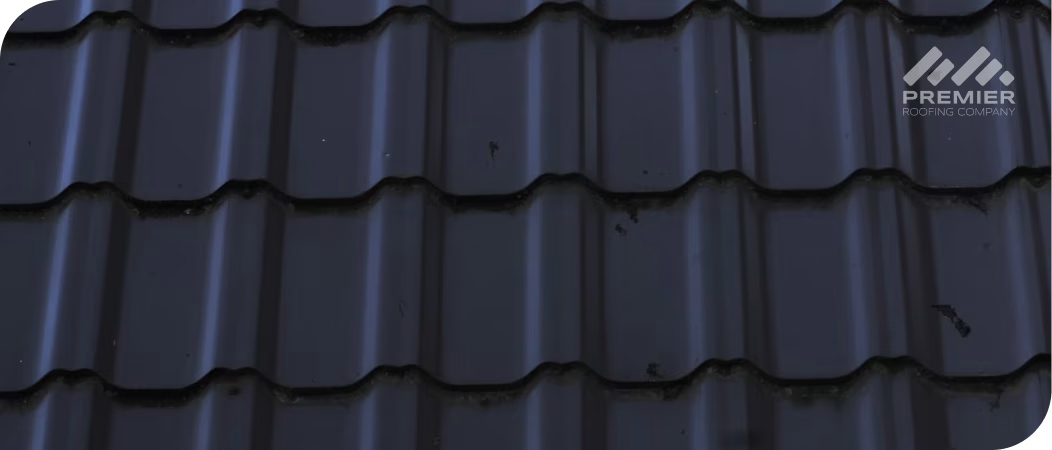
Metal roofing has become increasingly popular, especially in regions that deal with high winds, heavy snow, or frequent hail. Homeowners considering long-term durability often explore metal roofing during a roof replacement project. A properly installed metal roof can last 40 to 70 years, often outlasting traditional asphalt by decades.
One of the biggest advantages of metal is strength. It performs well against wind uplift, resists fire, and holds up better than many materials during impact events. In warmer climates, metal also reflects solar heat, which can help reduce attic temperatures and improve overall energy efficiency.
There are several system options available. Standing seam panels offer a clean, modern look with concealed fasteners for added weather resistance. Corrugated panels provide a more economical option with a distinctive profile. Metal shingles deliver the durability of steel or aluminum while mimicking the look of traditional shingles or slate. Read more about the differences in our blog: Metal vs Shingle Roofing.
One consideration is sound. Rain or hail can be louder on metal. Proper underlayment and insulation help reduce that effect significantly.
3. Wood
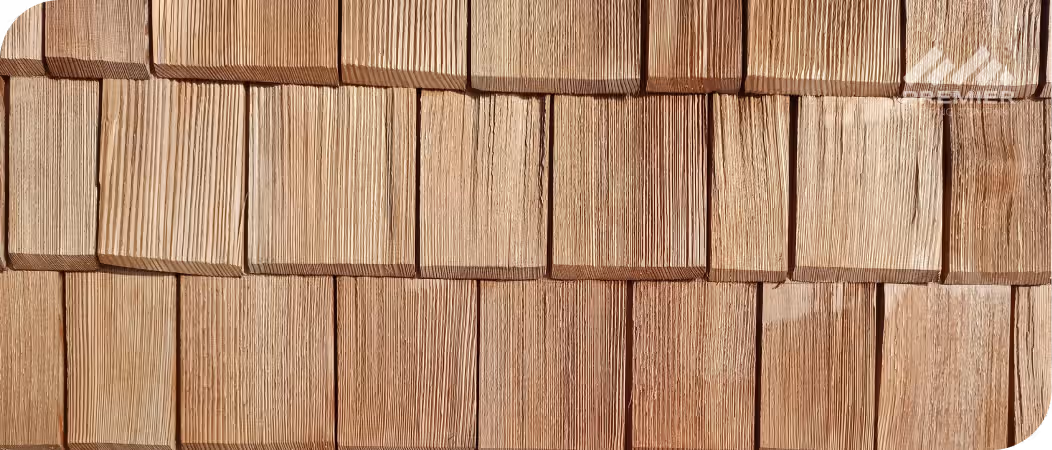
Wood remains one of the most visually distinctive roofing materials available. It works especially well on craftsman, cottage, and traditional homes where texture and natural character matter. Few materials match the warmth and organic feel that wood brings to a roofline.
There are two main styles to consider. Wood shingles are machine-cut and uniform, creating a cleaner and more tailored appearance. Wood shakes are thicker and hand-split, producing a deeper, more rustic texture that adds strong visual dimension.
Beyond appearance, wood provides natural insulation properties, which can help regulate indoor temperatures. With proper installation and consistent care, wood roofing materials typically last between 20 and 30 years.
However, wood requires attention. Regular maintenance is essential to prevent moss growth, mold, and insect damage. Because it absorbs moisture more easily than other materials, its lifespan depends heavily on climate and upkeep. Compared to metal or slate, wood usually carries a shorter warranty and higher maintenance commitment.
4. Tile
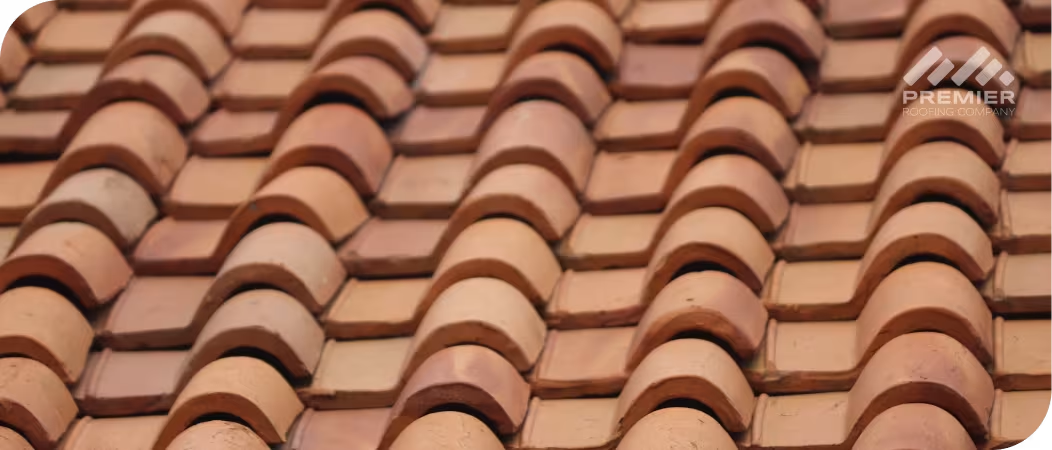
Tile roofing stands out for both appearance and durability. Whether made from clay or concrete, tile delivers a classic, upscale look that works especially well on Mediterranean, Spanish, and high-end architectural styles. It is often chosen not just for beauty, but for long-term performance.
One of the biggest advantages of tile is lifespan. Properly installed tile roofs can last 50 years or more, making them one of the most durable roofing materials available. They resist rot, insects, and fire, and they perform well in harsh weather conditions.
Tile also handles heat effectively. Its density and natural thermal properties help deflect solar energy, which can reduce attic temperatures and support better energy efficiency in warmer climates.
However, tile is heavy. Before installation, the structure of the home must be evaluated to ensure it can safely support the additional weight.
5. Slate
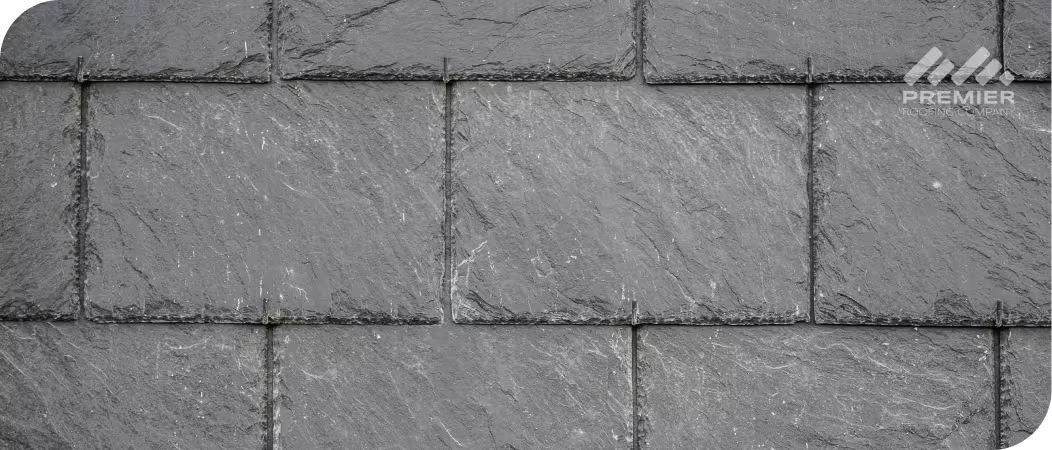
Slate is often considered the highest tier among roofing materials. It combines natural beauty with exceptional longevity, which is why it is commonly seen on historic estates and high-end homes. If you want a roof that makes a strong architectural statement while offering long-term protection, slate is a serious contender.
One of its biggest advantages is lifespan. A properly installed slate roof can last 75 to 100 years or more. It resists fire, wind, and hail better than most materials, and its natural stone composition does not deteriorate the way manufactured products can.
That durability comes with important considerations. Slate is heavy, so the structure of the home must be evaluated before installation. It also carries a higher upfront cost compared to asphalt or metal. Repairs, while infrequent, require specialized expertise due to the precision needed when working with natural stone.
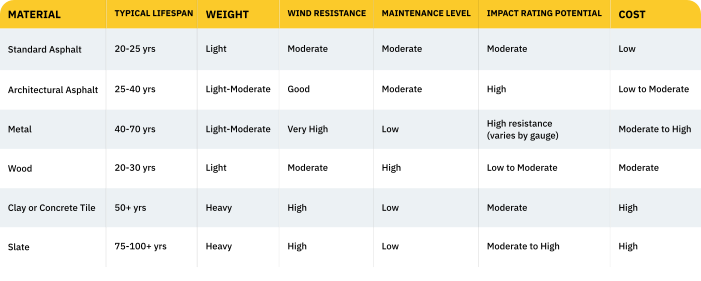
Comparing Roof Material Types by Performance & Technical Factors
A new roof is not a short-term upgrade. It is long-term protection for your home. That is why cutting corners with an overlay can create more risk than savings. Installing shingles over existing layers may look efficient, but it can hide structural issues, add unnecessary weight, and limit your warranty coverage.
A full tear-off gives you clarity. By removing the old materials, the roof deck can be properly inspected. Any hidden rot, water damage, or weak spots can be repaired before new materials are installed. That clean foundation allows shingles to seal correctly, perform as designed, and reach their full lifespan.
You also avoid adding excess weight to your framing system. The finished roof sits flat, looks better, and performs better in severe weather. Just as important, proper installation ensures your manufacturer warranty remains fully valid.
Ready to start? You begin with a free, no-obligation roof inspection. Our local experts examine your home, business, or multi-family property to give you the honest assessment you need for absolute peace of mind.
What to Consider When Choosing Roofing Materials
Choosing roofing materials is more than picking a color or style. The right decision protects your home, supports energy efficiency, and influences long-term costs. Before committing, it helps to weigh a few practical factors.
Start with budget and value. Some materials cost less upfront but may require earlier replacement. Others demand a higher initial investment but last decades longer. The goal is not just affordability today, but lifetime value. Asphalt shingles remain popular because they offer reliable protection at a manageable cost, often backed by strong manufacturer warranties.
Climate should guide your decision just as much as price. If your area experiences hail, high winds, or heavy snow, you need materials rated for impact and wind resistance. In hot regions, lighter colors and reflective surfaces can help reduce attic heat. In colder climates, darker materials may assist with snow shedding.
Aesthetics also matter. Roofing materials should complement your home’s architectural style. A modern home may suit metal panels, while traditional designs may pair better with shingles, wood, or slate. If you live in an HOA community, confirm material and color approval before moving forward.
Finally, consider roof pitch and weight. Steeper roofs and heavier materials like tile or slate may require structural evaluation to ensure safe installation.
Another reason homeowners consider installing a new roof over old roof materials is speed. Since the tear-off phase is skipped, the project moves much faster than a full replacement. Crews do not need to remove and haul away old shingles before installing the new layer.
A shorter timeline means less disruption around your home. There is less noise, fewer trucks, and a smaller construction window overall. Your daily routine returns to normal sooner. Because the original shingles stay in place, the roof deck is not fully exposed during the process. That can reduce the risk of sudden weather interruptions while the new layer is being installed. Cleanup is also faster. With no large tear-off debris, the job site tends to stay more controlled and organized.
The System Beyond the Shingles
It is easy to focus on surface roofing materials, but shingles alone do not determine how long a roof lasts. A roof performs well only when the entire system works together. Even the most durable material will fail early if the layers beneath it are poorly installed or incomplete.
Under the shingles, a high-quality underlayment acts as a secondary moisture barrier. If wind lifts shingles or hail causes surface damage, this layer helps prevent water from reaching the decking. Flashing is just as important. Proper metal detailing around chimneys, vents, skylights, and valleys seals the most vulnerable areas where leaks typically begin.
Ventilation also plays a major role. A balanced system allows cool air to enter through intake vents and warm air to exit through exhaust vents. This reduces heat buildup in summer and limits condensation in winter, protecting both shingles and structural components. To learn more on how roofing affects energy cost, read this blog.
Premier Roofing Can Help You Decide
Replacing a roof comes with a lot of decisions. Once you start comparing the different types of roofing materials, it can quickly feel overwhelming. Each option offers its own benefits, lifespan, and price range. The right choice depends on your home, your budget, and your local climate.
Our team can walk you through the types of roofing materials in clear, practical terms. We explain the real differences between asphalt, metal, tile, wood, and slate so you understand what you are paying for and what you can expect long term. We also help you choose colors and textures that fit your home’s architecture and boost curb appeal.
Just as important, we factor in local weather conditions like hail, wind, and snow. The goal is not just to pick a material, but to choose a complete system that delivers durability, value, and peace of mind for years to come.
Frequently Asked Questions


BLOG
Premier Roofing & The Press

13 Best Roofing Companies in Charlotte, NC in 2026 | Premier-Roofing.com
A lot of homeowners in Wichita end up replacing their roof sooner than expected, not because it was necessary, but because the damage wasn’t properly assessed early on. It happens more often than people think. If you’re searching ...
15 Best Roofing Companies in Raleigh, NC in 2026 | Premier-Roofing.com
A lot of homeowners in Wichita end up replacing their roof sooner than expected, not because it was necessary, but because the damage wasn’t properly assessed early on. It happens more often than people think. If you’re searching ...

15 Best Roofing Companies in Dallas, TX in 2026 | Premier-Roofing.com
A lot of homeowners in Wichita end up replacing their roof sooner than expected, not because it was necessary, but because the damage wasn’t properly assessed early on. It happens more often than people think. If you’re searching ...



 COMPANY
 CUSTOMERS
 RESOURCES